Many ordinary residential losses dry in about three to five days after extraction, but Miami drying time is set by the source, water category, saturation, material, assembly access, temperature, humidity, power, and response to equipment. Drying is complete when retained materials reach documented goals—not when a surface feels dry or a preset rental period ends.
Many ordinary residential water losses dry in roughly three to five days after extraction, but no ethical technician can promise that timeline before measuring the materials. A clean-water carpet loss and a saturated plaster wall do not release moisture at the same rate.
The correct endpoint is not a calendar date or a floor that feels dry. Drying is complete when the retained materials reach an agreed target based on unaffected comparison areas or appropriate standards. Daily readings show whether that target is approaching and which area is slowing the job.
Extraction quality sets the starting line
Mechanical extraction removes liquid water far faster than evaporation. Repeated carpet extraction, hard-surface vacuuming, and specialty floor systems can take hours off the moisture load the dehumidifiers must handle. Poor extraction makes the drying equipment spend days doing work that could have been completed at the start.
The source must also stop. A drying system cannot overcome a continuing slab leak, roof opening, AC overflow, or shared condo line. If readings stall or rise, technicians should reconsider the source and concealed pathways rather than simply extending equipment rental.
Material thickness and layers control release
Exposed drywall releases moisture differently from drywall covered by vinyl wallpaper, cabinets, tile, or multiple paint layers. Wood flooring over an underlayment and slab has several moisture reservoirs. Plaster, dense wood, and concrete may require more time or specialty access even when the room air is dry.
Insulation and enclosed cavities can block airflow. Selective removal may speed drying by exposing wet framing, but the decision must account for contamination, material value, and the repair it creates. The fastest schedule is not always the least destructive or the lowest total cost.
Miami humidity raises the dehumidification load
When outdoor air is humid, opening windows can add vapor to the drying chamber. Dehumidifiers must manage both water released by materials and any infiltration from doors, windows, HVAC, or unsealed containment. The space is often kept closed and controlled for that reason.
Temperature influences evaporation, but excessive heat can damage finishes and create unsafe conditions. Equipment selection balances vapor removal, airflow, temperature, power, noise, and occupancy. A small closed room may need a different arrangement from a large open commercial bay.
Water category affects what can be dried
Clean-water materials may be candidates for drying in place if they remain stable. Sewage and exterior floodwater require conservative removal and cleaning before structural drying. Time also changes conditions: water that sits and contacts soil and building materials becomes less sanitary.
Removing contaminated porous materials can make the remaining structure dry faster, but sanitation work adds time before equipment can focus on moisture. A realistic schedule includes containment, removal, cleaning, and disposal rather than counting only machine days.
How monitoring proves progress
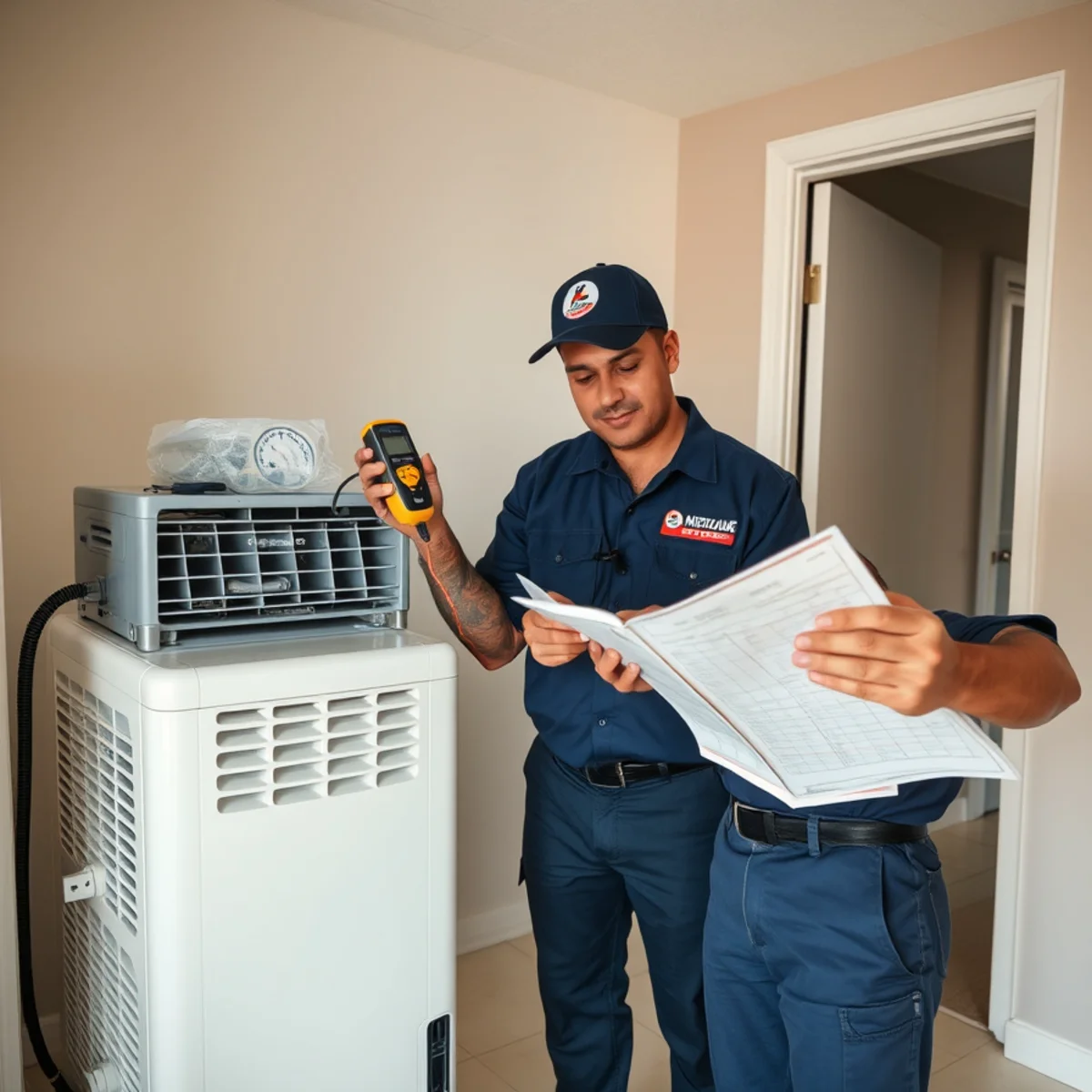
A drying log should show material readings, temperature, relative humidity, and equipment adjustments over time. The numbers do not need to fall in a perfect straight line, but they should reveal an overall trend. A wall that stays unchanged while everything else dries may contain insulation, a vapor barrier, or continuing water.
Technicians move equipment toward the remaining load and create access when justified. Final readings should be recorded before the system is removed. If an assembly cannot be dried without unacceptable damage, the owner should receive that conclusion and the recommended repair—not an indefinite equipment extension.
- Initial wet and unaffected comparison readings
- Daily material moisture measurements by location
- Temperature and relative humidity in the chamber
- Equipment additions, removals, and placement changes
- Final readings tied to the repair handoff
Practical timeline expectations
A small, promptly addressed clean-water loss may reach its goal quickly. A multi-room loss, dense materials, cabinets, hardwood, a high-rise access delay, or a humid building without normal power can extend the project. Large commercial or specialty drying can require a week or more.
Ask for a range and the conditions that could change it. Then judge progress from the moisture record. Removing equipment early to reduce noise or cost can create a repair failure; leaving it without measurable benefit is also poor practice. The log should support the decision either way.
Expert insight: what the field evidence should prove
A defensible drying log tells a story, not just a list of numbers. It identifies the meter and material, fixed monitoring points, dry comparison or target, room conditions, equipment, and changes over time. Readings should generally show a useful trend; a stalled wall, cabinet, floor, or ceiling triggers a check for missed source water, blocked airflow, trapped layers, insufficient dehumidification, equipment or power problems, and the need for controlled access. Thermal imaging can help locate patterns but should not replace direct material measurement. Final readings should cover every retained wet zone, including adjoining rooms or lower units, and the completion record should state what remained outside the restoration scope. A generic three-to-five-day promise is a planning range, not proof of completion.
Frequently asked questions
Why are the air movers still running if the wall feels dry?
Surface dryness does not prove the center or concealed side of an assembly is dry. Meter readings and comparison goals determine when equipment can leave.
Can drying take longer than five days?
Yes. Dense or layered materials, high saturation, contamination work, limited access, continued leaks, and humid conditions can extend the timeline.
Should I turn off drying equipment at night?
Not unless the technician or an emergency condition requires it. Interrupting equipment changes the drying chamber and can extend the schedule. Report heat, noise, or electrical concerns immediately.
Get a measured next step
If water is active or the structure may still be wet, call the 24/7 line. The free inspection connects the source, affected materials, and safe restoration sequence without relying on surface appearance.
Call (201) 277-9344