What a complete emergency removal response includes.
Emergency water removal in Miami is the rapid first phase for active leaks, overflows, and flooded rooms. The crew makes the scene safer, helps isolate the source, extracts accessible standing water, checks where moisture migrated, and transitions the property into contamination control, structural drying, and repair planning as needed.
When water is still entering the property, the first objective is control. A failed supply line can move hundreds of gallons before anyone notices. A toilet overflow or storm opening can spread across adjoining rooms, down elevator shafts, or into the unit below. The sooner extraction begins, the smaller the wet footprint is likely to remain.
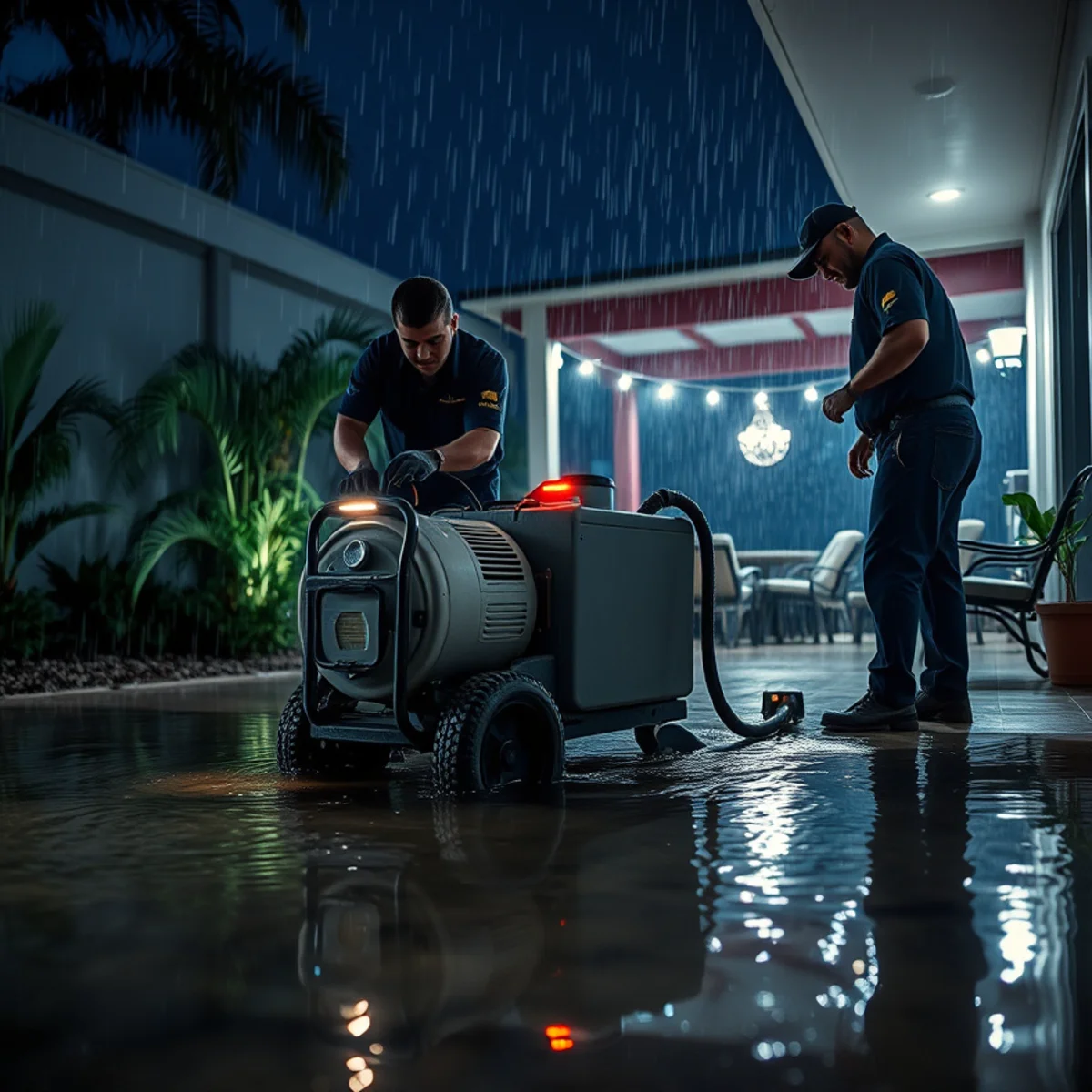
Our emergency response is built around practical triage: make the scene safer, stop or isolate the source when possible, remove bulk water, and determine where moisture traveled. Trucks arrive prepared for interior extraction, saturated carpet and pad, hard-surface water, and localized pumping. If the event involves sewage or stormwater, contamination controls take priority over speed alone.
What is included in emergency removal service
- Live 24/7 triage covering the source, water depth, electricity, contamination, occupants, ZIP code, and building access
- On-site hazard check and coordination of plumbing, building, roof, or utility source control when another trade is required
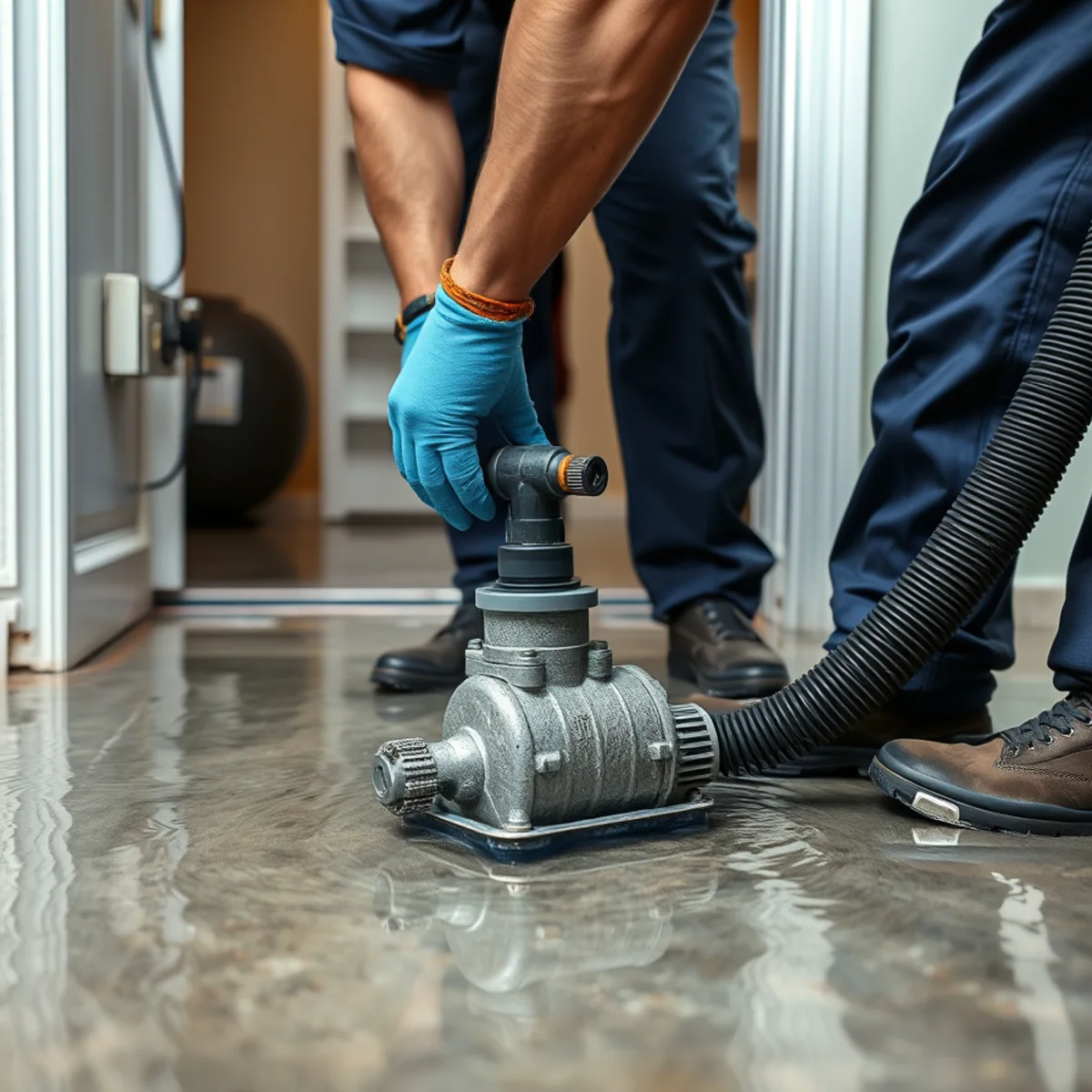
- Bulk removal with portable or high-capacity pumps and professional extraction tools selected for the water volume and surface
- Migration checks at carpet and pad, flooring edges, cabinets, wall bases, adjoining rooms, lower levels, and neighboring units
- Initial photographs, extraction notes, water-category findings, and a documented handoff into cleaning, drying, monitoring, and repairs
Signs and problems that need professional attention
- Water actively flowing from a pipe, fixture, roof opening, or appliance
- Standing water across tile, wood, carpet, a garage, or a commercial floor
- Water entering a lower unit or appearing through ceilings and light fixtures
- Storm runoff, wind-driven rain, or floodwater moving into an occupied space
- An overflow that may contain sewage, chemicals, or other contaminants
What to do before the crew arrives
Protect people first. Do not enter standing water near energized outlets, appliances, or an electrical panel. If a safe, dry route to the main water shutoff exists, close it. Avoid household vacuums and do not handle sewage-contaminated material. Move small dry valuables out of the path only when doing so does not put you at risk.
Photograph the source and affected rooms from a safe position. Note when the loss was discovered and whether the flow has stopped. In a condo, alert building management so shared risers, mechanical systems, and neighboring units can be checked. These few facts help the arriving crew bring the correct extraction and containment approach.
Extraction is only the first phase
A floor can look dry while water remains in pad, wall cavities, insulation, subfloor, or cabinet bases. Removing what is visible reduces the load, but moisture measurement determines the true boundary. We set the next phase from those readings rather than treating a dry-looking surface as proof.
Emergency work is documented from the start because the first hours often reveal the source and original extent most clearly. Photos and readings taken before finishes are removed can support the repair scope and reduce confusion later in the claim.