These guides are organized around decisions a homeowner, condo manager, or commercial operator must make—not around generic definitions. Each article explains immediate limits, the correct source trade, what restoration should measure, which records to preserve, and where insurance or legal interpretation must remain with the qualified professional.
If water is near electricity, a ceiling is bulging, sewage or exterior floodwater is present, the structure appears unstable, or an official evacuation or re-entry order applies, leave the affected area and follow emergency guidance. An article cannot inspect the hazard or authorize entry.
Three questions before cleanup
What happened, where did it travel, and what changed while it sat?
Source: a plumber, roofer, HVAC contractor, building engineer, utility, or other appropriate professional may need to stop and identify the release before restoration can proceed safely.
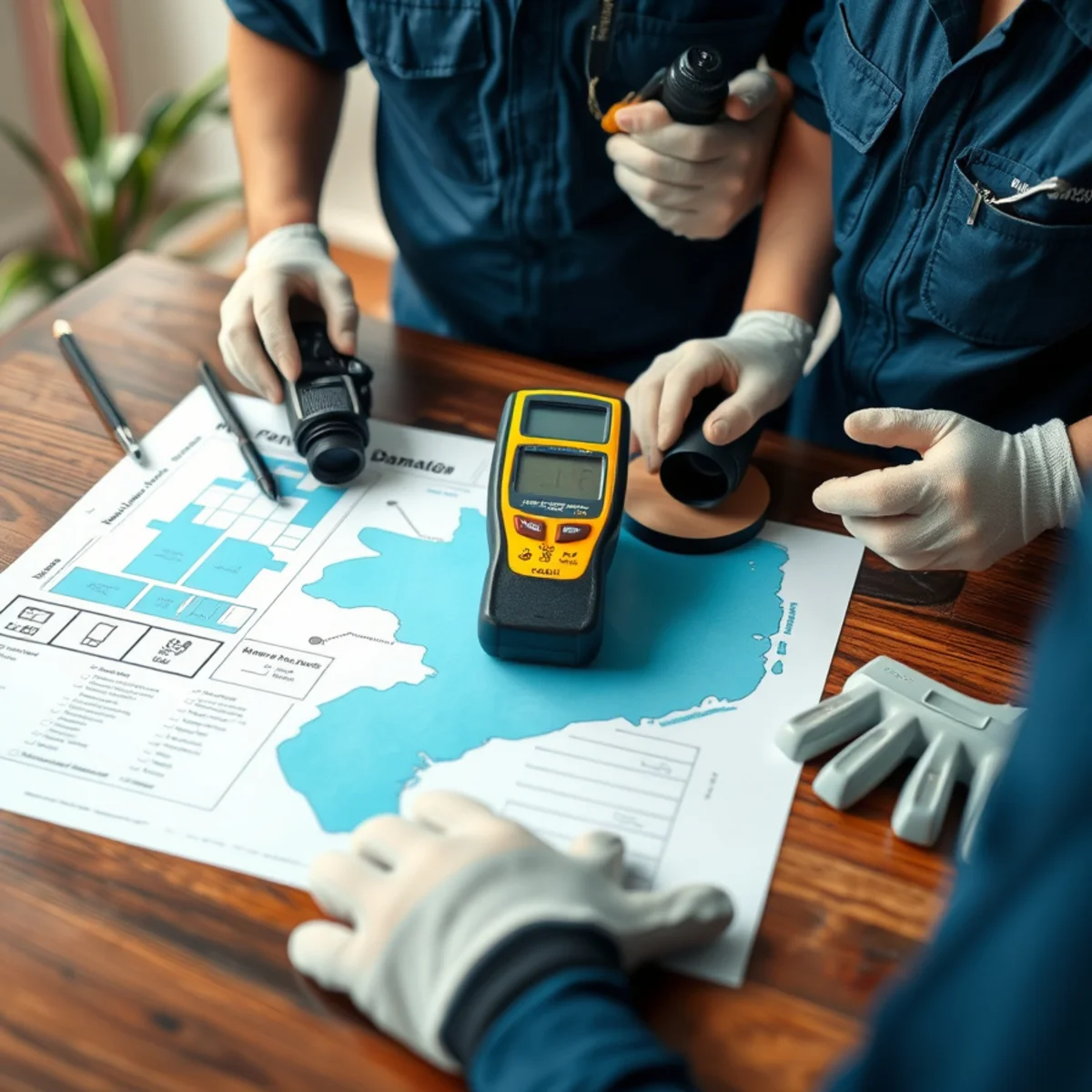
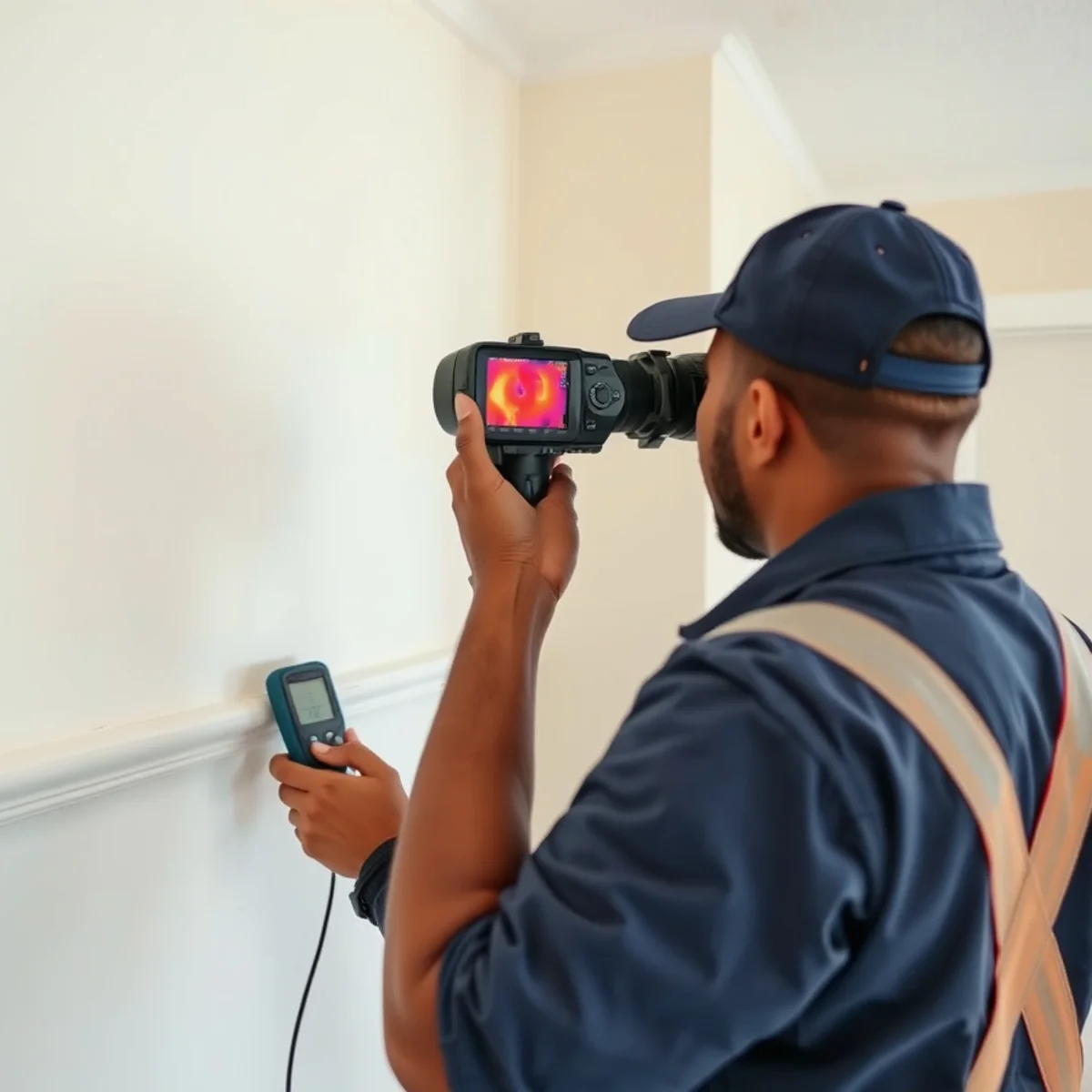
Boundary: surface water rarely defines the full loss. Direct readings, construction knowledge, adjoining rooms, lower levels, cabinets, flooring edges, and cavities establish the affected area.
Condition: elapsed time, contact with soil or waste, material type, temperature, and occupant risk affect cleaning, removal, containment, drying, and specialist needs. That is why the library separates clean-water steps, sewage, floodwater, mold, and saltwater topics.
15 complete resources
Start with the decision in front of you.
01
What to Do After Water Damage in Miami: The First 60 Minutes
A calm, safety-first checklist for the first hour after a pipe break, overflow, roof leak, or flood in a Miami property.
Water Damage Restoration Cost in Miami: What Actually Changes the Price
A transparent guide to the variables behind a Miami restoration estimate, from water category and square footage to high-rise access and rebuild scope.
Drying, mold, cost, and repair guides explain what happens after extraction.
The Miami structural-drying timeline explains why recorded material goals—not a fixed calendar—determine completion. The mold-after-water-damage guide covers prevention timing, concealed conditions, assessment boundaries, and when removal or containment may be needed. If estimates are difficult to compare, the restoration cost guide connects category, materials, access, equipment, contents, specialist work, and reconstruction to an auditable scope.
Use the mitigation-versus-restoration guide at the handoff. It separates emergency loss limitation from permanent repair and lists the records that should cross between them.
Protect the decision record
Coverage, condo, and contractor guides stay inside honest professional boundaries.
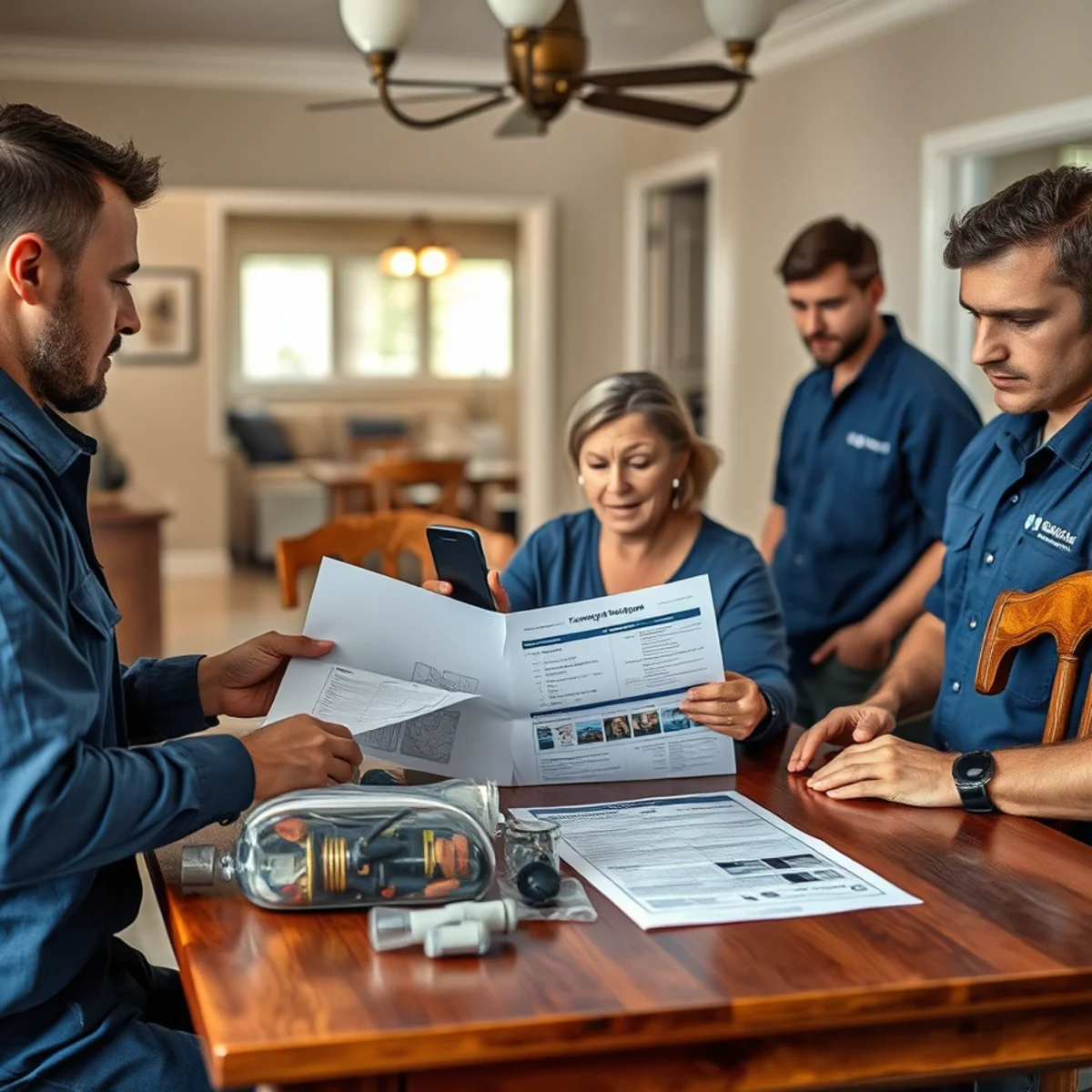
The Florida water-damage insurance guide explains common cause distinctions without promising coverage. The condo responsibility guide separates emergency access, physical water paths, property boundaries, governing documents, and insurance questions without assigning fault. The contractor-selection guide gives owners a verification and contract checklist.
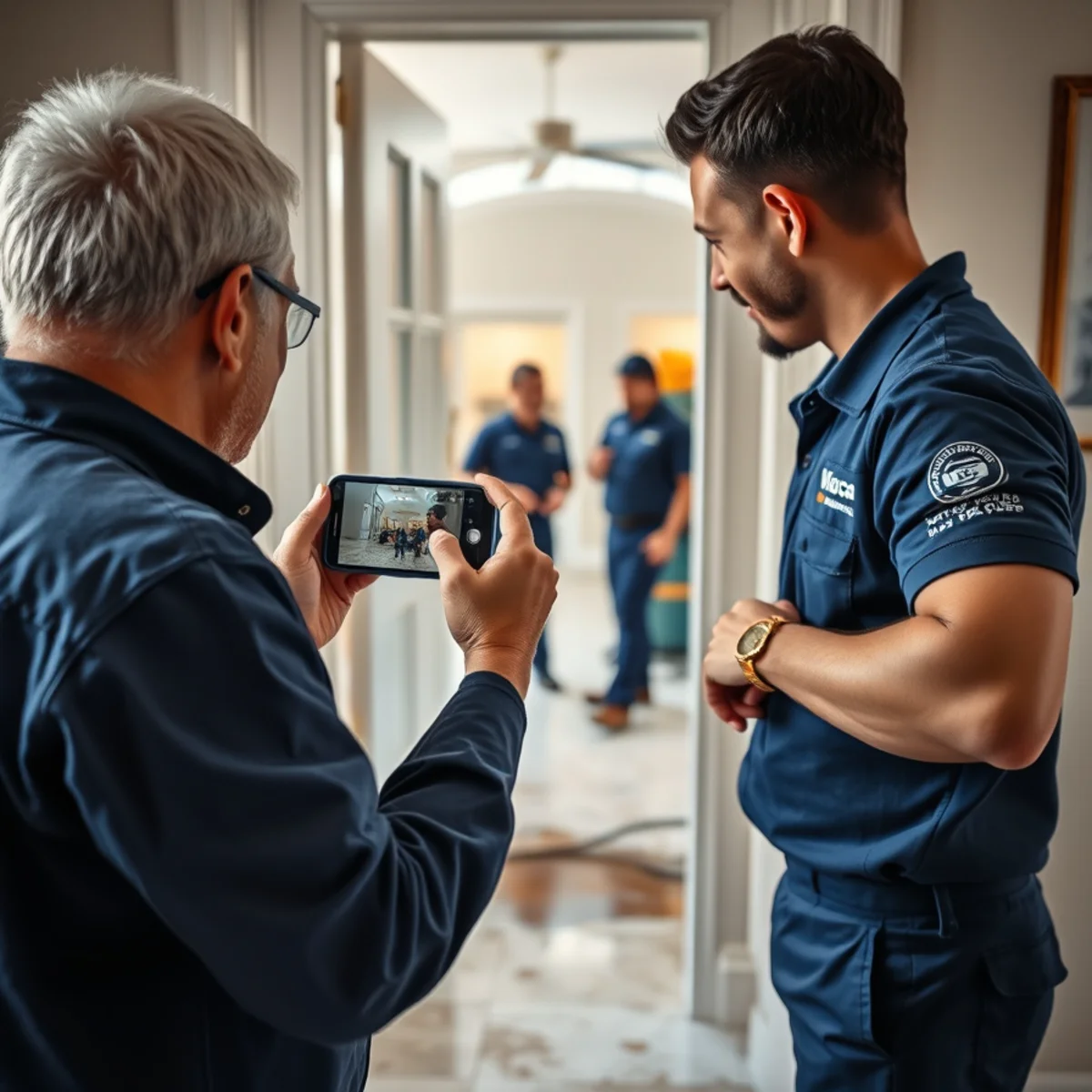
Every guide follows the same evidence principle: photograph the original condition, preserve source records and failed parts when practical, label rooms and units, keep specialist scopes identifiable, and record what supports each material or drying decision. The record should explain the work without pretending to decide law, medicine, engineering, or insurance coverage.
How this library is written
Miami context, field sequence, and transparent limits.
Topics are selected around recurring local conditions: high humidity, heavy rain, flat roofs and parapets, concrete and block construction, tile over slab, year-round AC condensate, high-rise access, shared condo systems, coastal tides, hurricanes, and salt exposure.
Action before explanation
Each article opens with a direct answer, then adds hazards, process detail, trade boundaries, evidence, FAQs, and descriptive links to the relevant service and Miami-Dade location pages.
Measured claims only
Published business facts come from the site configuration. The guides do not invent prices, reviews, outcomes, response guarantees, coverage decisions, medical advice, or legal conclusions.
Visible content and schema agree
Each article’s FAQ schema mirrors its visible questions, and its BlogPosting and WebPage entities use stable page references rather than duplicating the business entity.
Guide library FAQs
How to use the Miami water damage resource center.
Which guide should I read first after water damage in Miami?
Start with the first-60-minutes guide if water is active, the source is uncertain, or the affected boundary is still changing. Use the sewage guide for drain or toilet backups, the hurricane guide for storm preparation or re-entry, and the burst-pipe guide for a failed interior supply. Reading should never delay a call when electricity, structure, contamination, or rapidly moving water may be unsafe.
Can these guides tell me whether insurance will cover my loss?
No article can determine coverage for a specific claim. The insurance and condo guides explain common distinctions, documentation, and questions to raise, but the cause, policy, endorsements, exclusions, governing documents, and carrier investigation control the decision. Report facts promptly and use a licensed insurance professional or attorney for interpretation or disputes.
Why do the guides separate source repair from water restoration?
Different professionals answer different questions. A plumber, roofer, HVAC contractor, electrician, engineer, building manager, or utility may stop or evaluate the source. Restoration maps and removes water, controls contamination, dries retained materials, and documents the resulting damage. Keeping those records separate makes the total project easier to verify.
Are the Miami water damage guides a substitute for an inspection?
No. The guides help property owners recognize hazards, preserve evidence, ask better questions, and understand the sequence. They cannot see concealed migration, classify the actual water, test materials, or confirm source repair. Restoration247 offers a free inspection and moisture assessment for a property-specific next step.
24/7 Miami-Dade response
Need help now, not another article?
Call the 24/7 emergency line for a free inspection and moisture assessment anywhere in the Miami-Dade service area.