IICRC CertifiedLicensed & Insured30+ years staff experience
Answer first · the complete path
The process moves from safety and source control to a measured repair handoff.
Direct answer
Miami water damage restoration begins with emergency triage, safe access, and source coordination; continues through moisture mapping, extraction, contamination-based cleaning or removal, controlled drying, and daily verification; and ends with final records plus an approved reconstruction scope. A phase advances when its condition is documented—not merely because a fixed number of hours has passed.
Sequence matters. Fans should not spread sewage or disturbed contamination. Cosmetic repair should not cover an active source or wet cavity. Demolition should not expand without a material, contamination, access, or drying reason. Each gate below explains what is known, what work is authorized, and what evidence supports the next decision.
The complete sequence
Every phase answers a different question.
Live emergency triage
We ask about the source, electricity, contamination, affected rooms, occupants, ZIP code, and access before dispatch.
Safety and source control
The crew identifies hazards and coordinates plumbing, roof, building, or utility action needed to stop continued water.
Moisture mapping
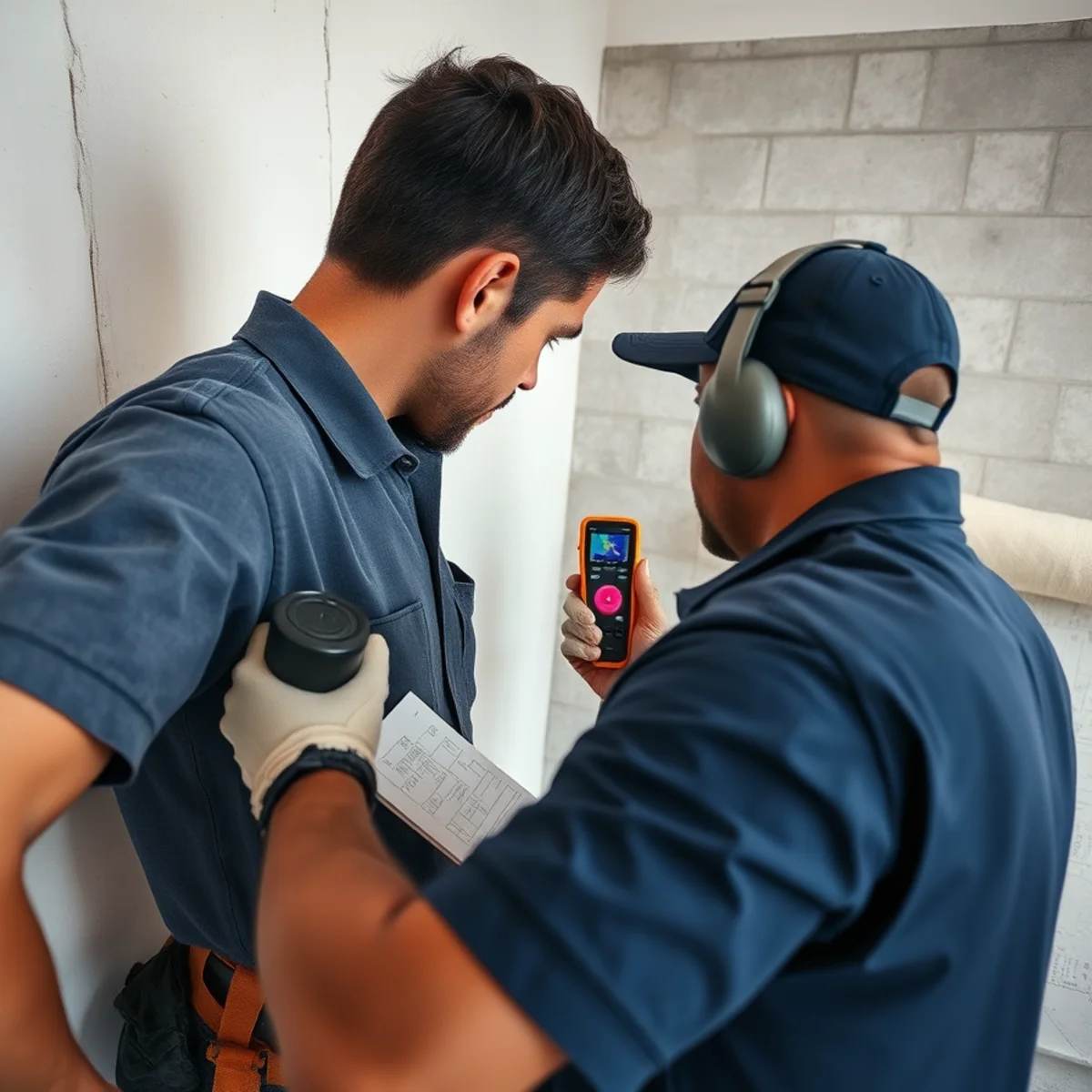
Thermal patterns screen the area and direct readings confirm wet materials, adjoining rooms, lower levels, and hidden pathways.
Extraction and containment
Standing water is removed; clean and affected zones are established; contents and unaffected finishes are protected.
Cleaning and structural drying
The water category determines material removal and sanitation. Air movement and dehumidification are monitored to a drying goal.
The last two phases
Insurance documentation
Photos, readings, removal notes, equipment records, and an itemized scope help explain the physical loss to the adjuster.
The physical-loss file can support a carrier review, but it does not determine coverage. The owner reports the claim and retains the policy communications. Source professionals, adjusters, engineers, associations, and other decision-makers should remain identifiable instead of being blended into one contractor conclusion.
Reconstruction and walkthrough
After final moisture verification, approved repairs restore drywall, flooring, trim, paint, cabinetry, and related finishes.
Close-in waits for source correction, clean and dry retained materials, required specialist findings, permit or association approvals, and a repair scope that separates like-kind work from owner upgrades. The final walkthrough records incomplete items and responsibility for follow-up rather than treating occupancy as proof that every issue is resolved.
What the owner should receive
Work authorization, emergency limits, and pricing method
Initial photographs, affected-room notes, and moisture map
Material removal, contents, cleaning, and disposal record
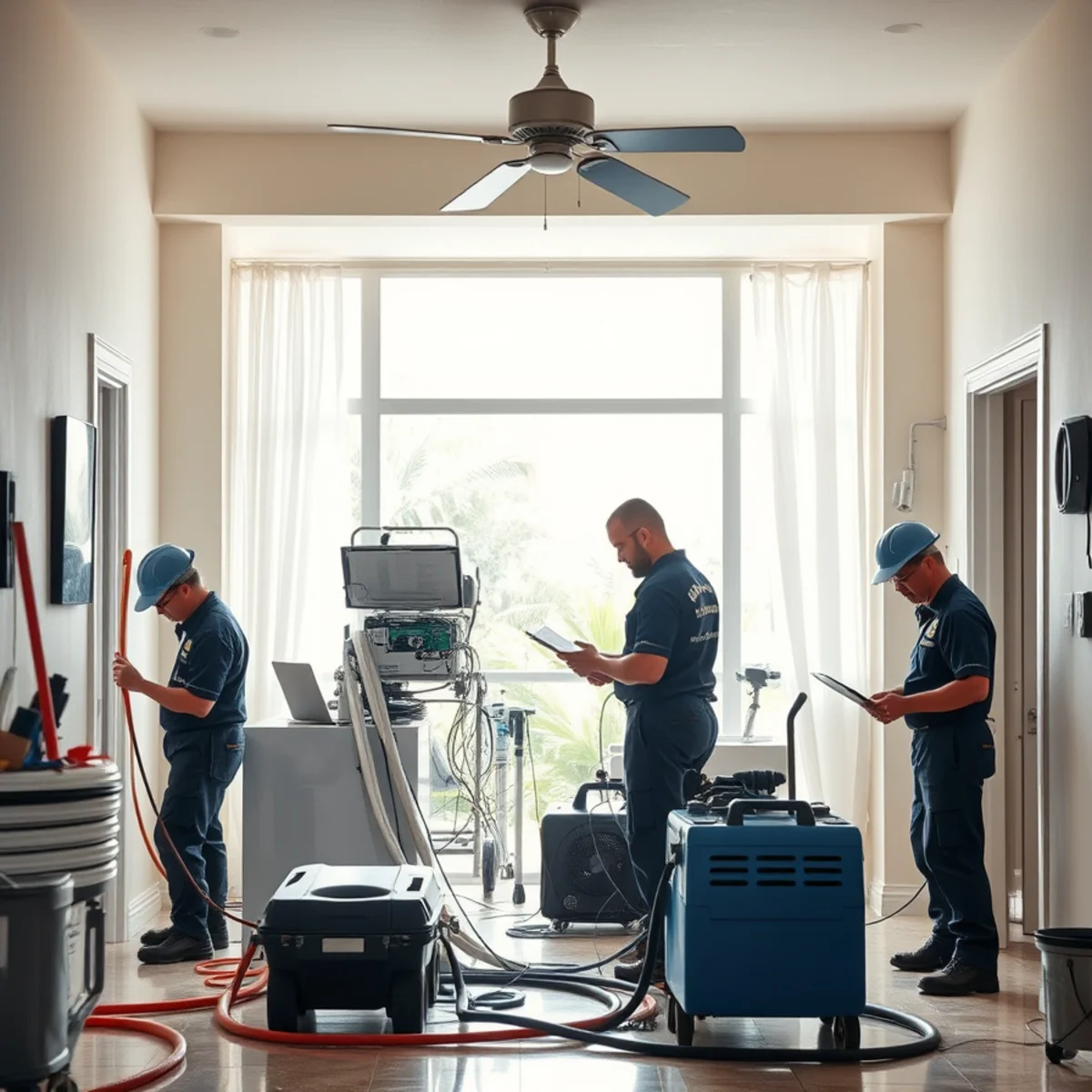
Equipment placement, monitoring, and final material readings
Mitigation invoice and separate reconstruction scope
Source-repair and specialist records or referrals where applicable
Decision gates
What must be true before the next phase begins.
Source and access are controlled
The water is stopped or managed, official entry is allowed, and electrical, structural, fire-protection, elevator, roof, utility, or building-system decisions are assigned to the appropriate authority.
The affected boundary is defensible
Thermal patterns guide inspection, while direct readings, construction, water paths, rooms above and below, cabinets, floor edges, and selective access confirm what is actually wet.
Contamination is handled before drying
Clean supply water, gray water, sewage, exterior flooding, saltwater, fire residue, and mold do not receive the same material or air-movement plan. EPA guidance reinforces physical cleaning before disinfection on retained surfaces.
Drying progress is measured
Ambient temperature and humidity, material readings, dry comparisons, equipment operation, and changes show whether evaporation and dehumidification are working. A stalled zone triggers investigation, not a ceremonial extra day.
Repair has a verified starting point
The close-in record connects every removed or damaged finish to the completed mitigation file so the repair scope does not restart from guesswork.
Authorization and cost control
Emergency conditions can change; permission still needs boundaries.
The initial scope may not reveal water behind a cabinet, under continuous flooring, or in the unit below. A useful authorization defines the starting work, rates or pricing method, payment responsibility, equipment billing, contents handling, and who can approve expansion.
Document changes before they disappear
Photograph newly exposed conditions, explain the material or safety reason, identify the quantity and price effect when available, and record the approving party. Immediate sanitation or stabilization may be necessary, but urgency should not become a blank scope.
Keep trade decisions separate
A plumber repairs the line; a roofer addresses the envelope; an electrician evaluates wet electrical systems; qualified mold, engineering, elevator, fire, and construction professionals handle their regulated decisions. Restoration connects their findings to the loss record.
Keep the owner informed
Daily status should state what changed, what remains wet or closed, which equipment is operating, what decision is needed, and when the next verification occurs.
Miami-Dade field reality
The building and location alter the workflow.
Concrete slabs, block walls, plaster, tile, flat roofs, high humidity, year-round condensate, coastal salt, condo risers, garages, elevators, and occupied commercial zones affect access, testing, equipment, drying, and specialist coordination. Review the Miami-Dade response guides for city-level context and the complete restoration service catalog for source-specific work.
Questions owners ask between the emergency and the repair.
Does every Miami water damage job follow all seven phases?
The questions stay consistent, but the work does not. A small recent clean-water loss may need source repair, mapping, extraction, drying, and verification without demolition. Sewage, exterior floodwater, mold, fire residue, structural movement, or a large commercial loss adds containment, cleaning, removal, specialist, permit, or continuity requirements.
How do you decide when structural drying is complete?
Completion is based on recorded material response and an appropriate dry goal or comparison—not a promised number of calendar days. The log should identify material, location, meter or method, ambient conditions, progress, stalled areas, changes, and final readings. Separate specialist clearance may still be required.
Why are mitigation and reconstruction separate scopes?
Mitigation limits the loss through extraction, controlled removal, cleaning, and drying. Reconstruction permanently replaces finishes and assemblies. Separate scopes make quantities, authorizations, insurance review, upgrades, permits, matching, and change orders easier to understand even when one company coordinates both phases.
What should I do while the restoration process is underway?
Keep one project contact, preserve contracts and source records, identify decision-makers, disclose access and occupant needs, report new water or odors, avoid moving equipment, and ask for written explanations before scope changes. Notify the carrier directly when making a claim and keep copies of documents shared.
24/7 Miami-Dade response
Start the first phase now.
Call the 24/7 emergency line for triage and the free inspection. Water does not need to be visible to still be moving through the structure.