What a complete mold remediation response includes.
Mold remediation in Miami is a controlled process that corrects the moisture condition, isolates affected rooms, filters disturbed air, removes unsalvageable porous material, detail-cleans retained surfaces, and verifies the space before repair. Restoration247 connects the visible growth to its leak, condensation, or humidity history instead of treating discoloration as a surface-only problem.
Mold is a moisture problem before it is a cleaning problem. Surface treatment without correcting the leak, condensation, or humidity source leaves the conditions that allowed growth in the first place. Effective remediation defines the affected area, protects nearby rooms, removes unsalvageable material, cleans retained surfaces, and verifies that the space is ready for repair.
We connect remediation to the water history. That may mean tracing an AC condensate line, a slow plumbing leak, a roof opening, or moisture moving through a concrete wall. Visible growth is only one clue. Odor, staining, high humidity, and prior water events help determine where inspection and access should focus.
What is included in mold remediation service
- Moisture-source investigation focused on plumbing, roofing, AC condensate, exterior walls, and previous water migration
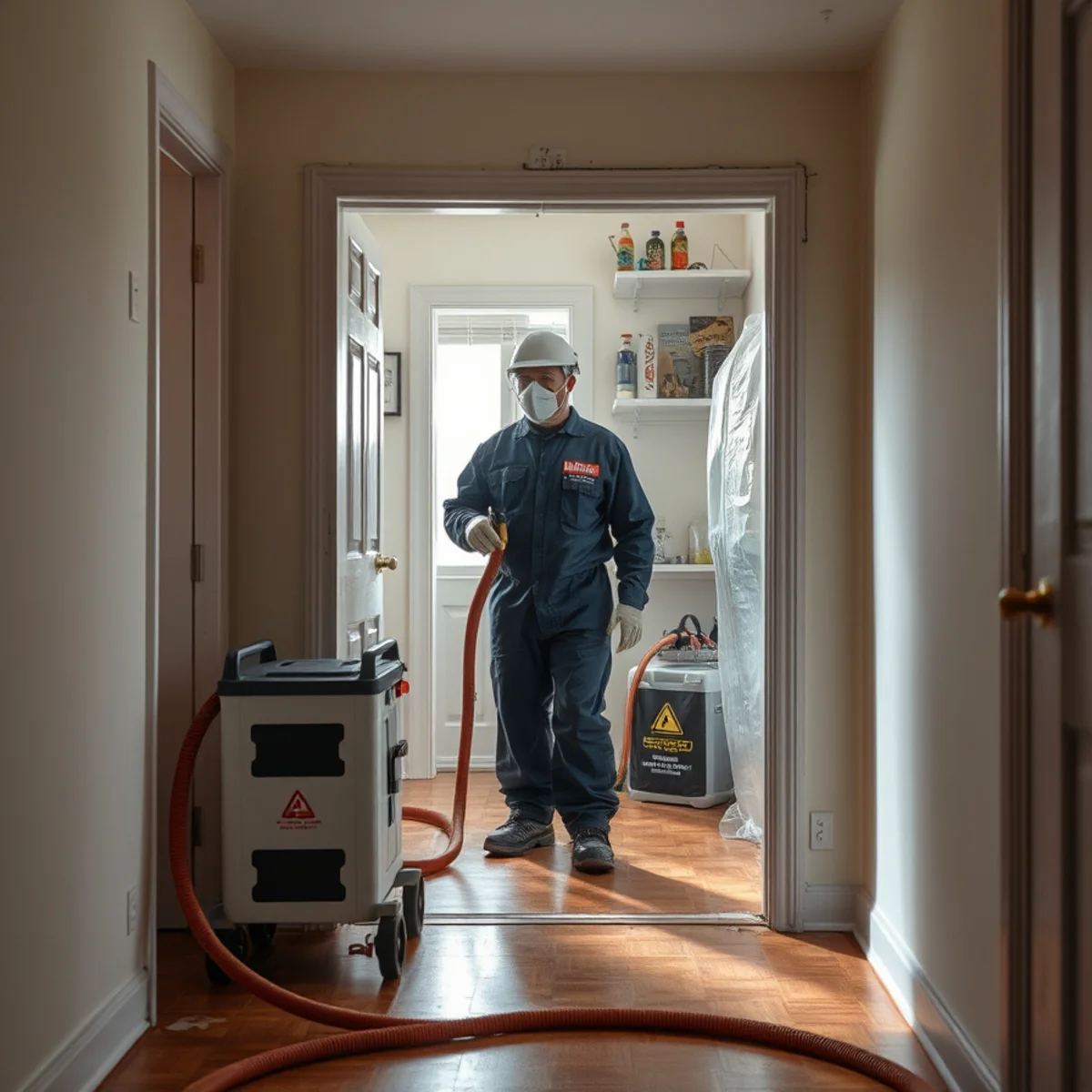
- A work-zone and debris-route plan with containment and HEPA-filtered negative air where the scope requires it
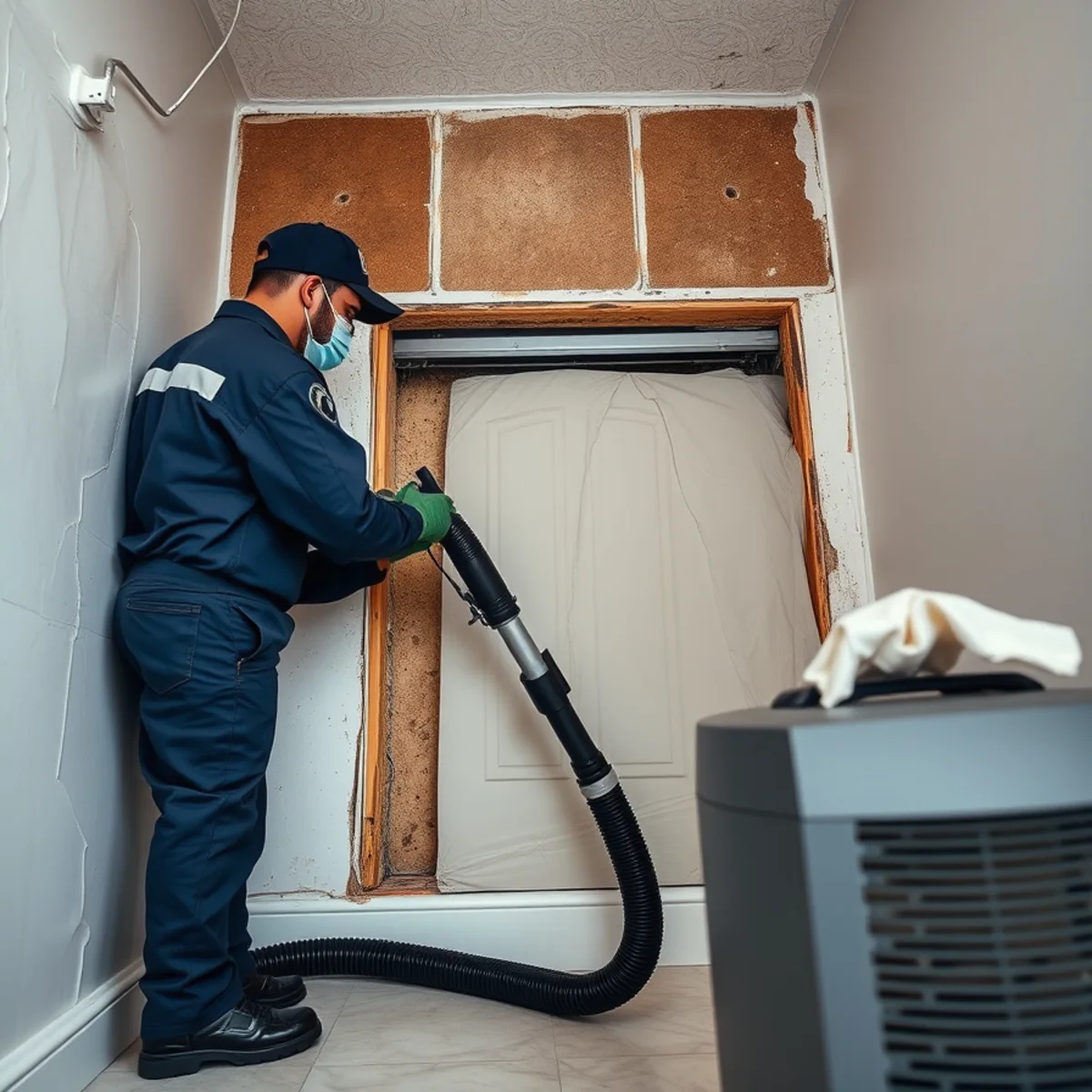
- Controlled removal and bagging of affected porous material, plus HEPA vacuuming and detail cleaning of retainable surfaces
- Moisture correction and drying verification so finishes are not reinstalled over the condition that supported growth
- Coordination with an independent Florida-licensed assessor for a protocol or post-remediation verification when the project requires that role
Signs and problems that need professional attention
- Visible spotting or colonies on walls, ceilings, cabinets, or contents
- Persistent musty odor after a leak or periods of high humidity
- Recurring paint failure, condensation, or dampness around AC equipment
- A past water loss that was cleaned but not moisture-mapped
- Growth discovered behind baseboards, furniture, wallpaper, or cabinets
Containment is what separates removal from spreading
Cutting mold-affected drywall without control can distribute dust through hallways, HVAC returns, and adjacent rooms. The remediation plan considers the size and location of the affected area, occupied spaces, air movement, and the route used to remove debris. Protective barriers and negative pressure help keep the work inside the work zone.
HEPA filtration supports particle control, but it is not a substitute for source removal and detailed cleaning. Porous materials with established growth may need removal. Sound, cleanable structural surfaces are addressed with methods that physically remove residue rather than relying on fragrance or paint to conceal it.
Independent assessment and clearance when required
Florida regulates mold assessment and remediation. Depending on the project, an independent licensed assessor may define the protocol or perform post-remediation verification. The roles should remain clear so the party judging the finished condition is not simply approving its own work.
Testing is not always the first step for small visible growth with an obvious moisture source, but larger, disputed, health-sensitive, or concealed conditions can benefit from an assessor's scope. We explain where our restoration work ends and where independent professional evaluation belongs.