IICRC Certified
The Institute of Inspection, Cleaning and Restoration Certification establishes widely used training and process standards for water restoration, drying, and related disciplines.
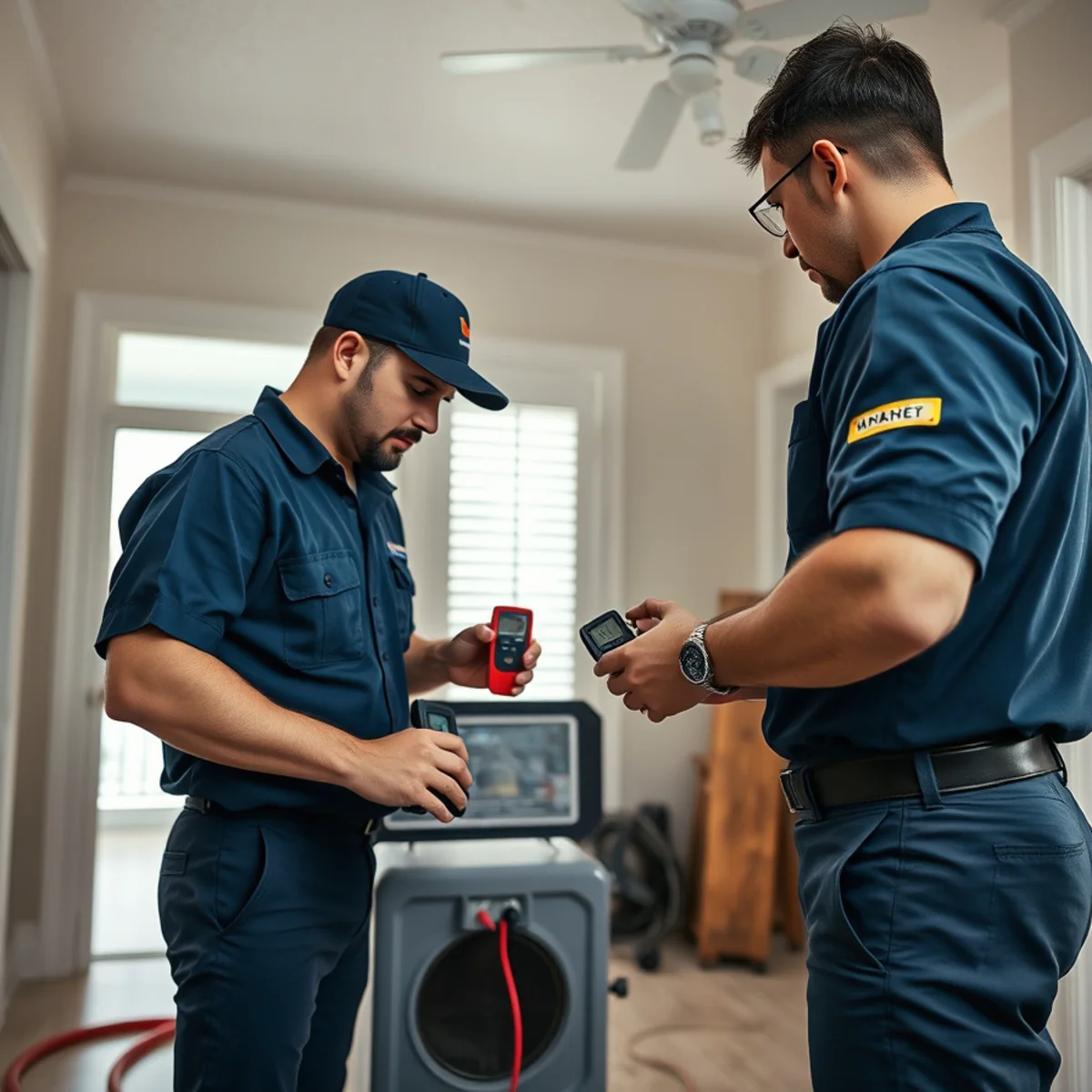
Credentials should be specific, current, and verifiable. This page publishes only the business qualifications supplied for Restoration247.
Competitor license numbers, badges, memberships, ratings, and accreditation claims are never borrowed. Specific Restoration247 license identifiers can be added when the business provides them for verification.
The published Restoration247 record supports three statements: IICRC Certified, Licensed & Insured, and 30+ years of staff experience. These are useful starting qualifications, not substitutes for the certificate, insurance, individual or business license, assigned supervisor, trade scope, written authorization, and project-specific field documentation an owner should verify.
The Institute of Inspection, Cleaning and Restoration Certification establishes widely used training and process standards for water restoration, drying, and related disciplines.
The business states that it is licensed and insured. Project-specific documentation should be requested and checked before work begins, especially where regulated trades are involved.
Experience is stated at the staff level rather than converted into an invented founding year, project count, or claim that every technician has the same tenure.
Water mitigation, mold assessment, mold remediation, plumbing, roofing, electrical work, and reconstruction can involve different training and licensing. The contracting party should explain who performs each discipline.
The IICRC’s water-damage framework addresses principles of restoration, microbiology, building and material science, psychrometry, equipment, documentation, and procedures for residential, commercial, and institutional losses. That context matters in Miami because high humidity, concrete, tile assemblies, year-round cooling, roof intrusion, and multi-unit water paths can make surface appearance unreliable.
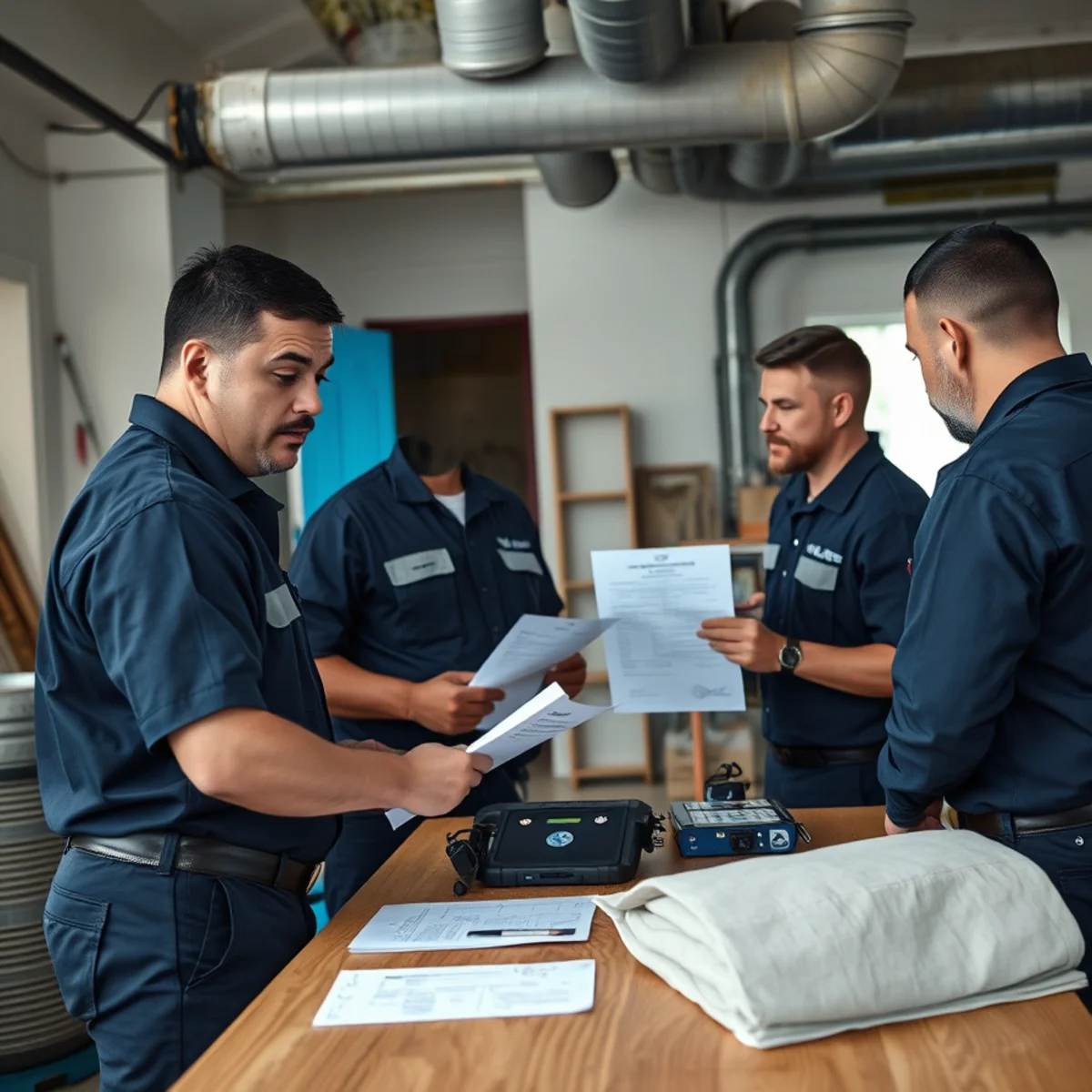
On a job, the meaningful output is an initial map, material-appropriate readings, contamination and salvage decisions, a monitored drying plan, documented changes, and final criteria. Ask who produces that record and who reviews it. Use the seven-phase Miami restoration process to see where each deliverable belongs.
Florida DBPR advises checking both a construction business and its qualifying individual when that structure applies. Its mold guidance distinguishes individual mold assessors and remediators and limits overlapping roles on the same structure. Local licensing and permits can also affect finish trades and reconstruction.
That is why “licensed” should lead to a follow-up question: licensed for what work, held by whom, connected to which legal business, valid through what date, and required at which address? If a plumber, roofer, electrician, engineer, mold assessor, remediator, or reconstruction contractor is separate, the contract and record should say so.
An emergency can justify fast action, but it does not make identity or scope irrelevant. Keep these records with the property file and compare names across them.
Business name, address, phone, contracting entity, and the person authorized to sign or supervise.
Current certificate, named insured, applicable coverage, and project or building requirements rather than a generic “insured” badge.
Number, holder, business relationship, category, status, expiration, jurisdiction, and match to the proposed work.
Firm or individual credential, discipline, assigned role, current status, and the procedures or supervision it supports.
Authorization, rates or pricing method, safety and moisture documentation, changes, completion criteria, and final deliverables.
A qualified restoration team can document the source observations, water path, materials, contamination, drying, and repairs it performs. It cannot turn a training certificate into authority to promise coverage, liability, health outcomes, structural safety, or every specialist clearance.
Use the restoration-company selection guide to review response, measurements, contamination, Miami logistics, insurer communication, contract language, and repair handoff.
The Miami restoration service catalog explains which source, cleanup, drying, mold, fire, storm, and reconstruction conditions may require additional disciplines.
Call the configured business line or use the free inspection request to ask which documentation applies to the specific property and scope.
It is a restoration-specific qualification signal tied to education and industry standards. Owners should still ask whether the firm or assigned people hold credentials relevant to the proposed work, who supervises the loss, what procedures apply, and what field records will prove the result. A badge alone is not a moisture log or completion record.
No. Water mitigation training does not automatically authorize every regulated trade. Source repair, electrical safety, roofing, mold assessment or remediation, engineering, fire protection, elevators, and reconstruction may have different Florida or local licensing, insurance, permit, and independence requirements.
Request the legal name, individual and business relationship, license category and number, issuing authority, status, and expiration. Florida DBPR advises checking both the construction business and its qualifying individual where applicable; its mold guidance explains that mold-related licenses apply to individuals. Also confirm local requirements for the exact scope.
The supplied site configuration states IICRC Certified and Licensed & Insured but does not include verifiable identifiers, holders, categories, or expirations. Publishing an assumed number would be misleading. Project-specific documentation should be requested before authorization and the page can be extended when verified business records are supplied.
Call the 24/7 line and request the documentation relevant to your specific service.