What a complete water damage response includes.
Water damage restoration in Miami should begin as soon as the site is safe: stop the source, map the full wet boundary, remove liquid water, clean according to contamination, and dry materials to documented goals before repairs. Restoration247 keeps those phases in one project record so the mitigation evidence carries into the repair scope.
Water spreads farther than the stain you can see. It slips under baseboards, follows wall cavities, saturates cabinet toe-kicks, and stays trapped in Miami's concrete and block construction. Effective restoration begins by mapping that full path, not by pointing fans at the surface.
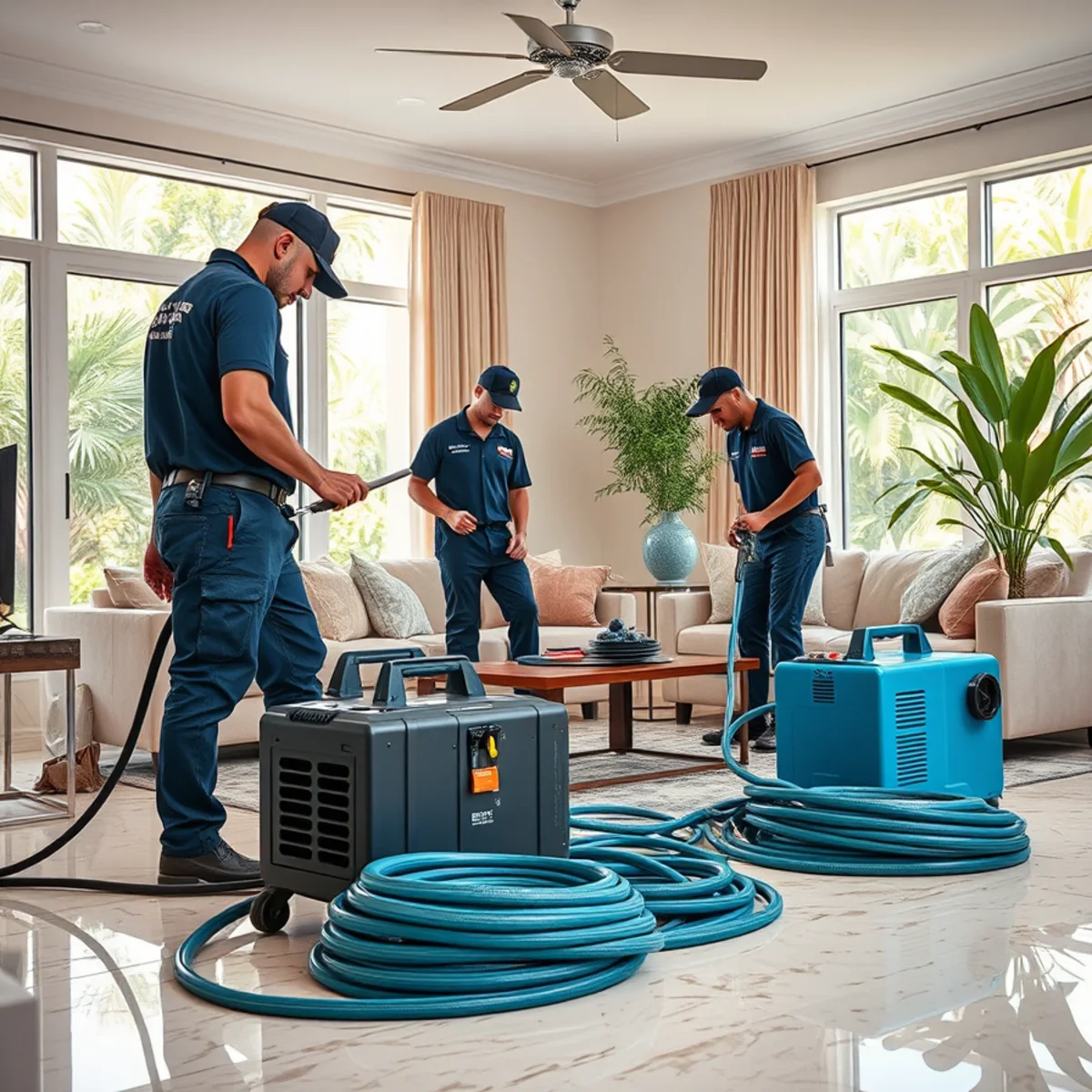
Restoration247 manages the loss from the first moisture reading through the final repair. We identify the source, classify the water, extract what can be removed, build a drying plan, record daily readings, clean affected materials, and coordinate reconstruction when removal is necessary. You get a clear scope and one point of contact instead of separate companies handing the job back and forth.
What is included in water damage service
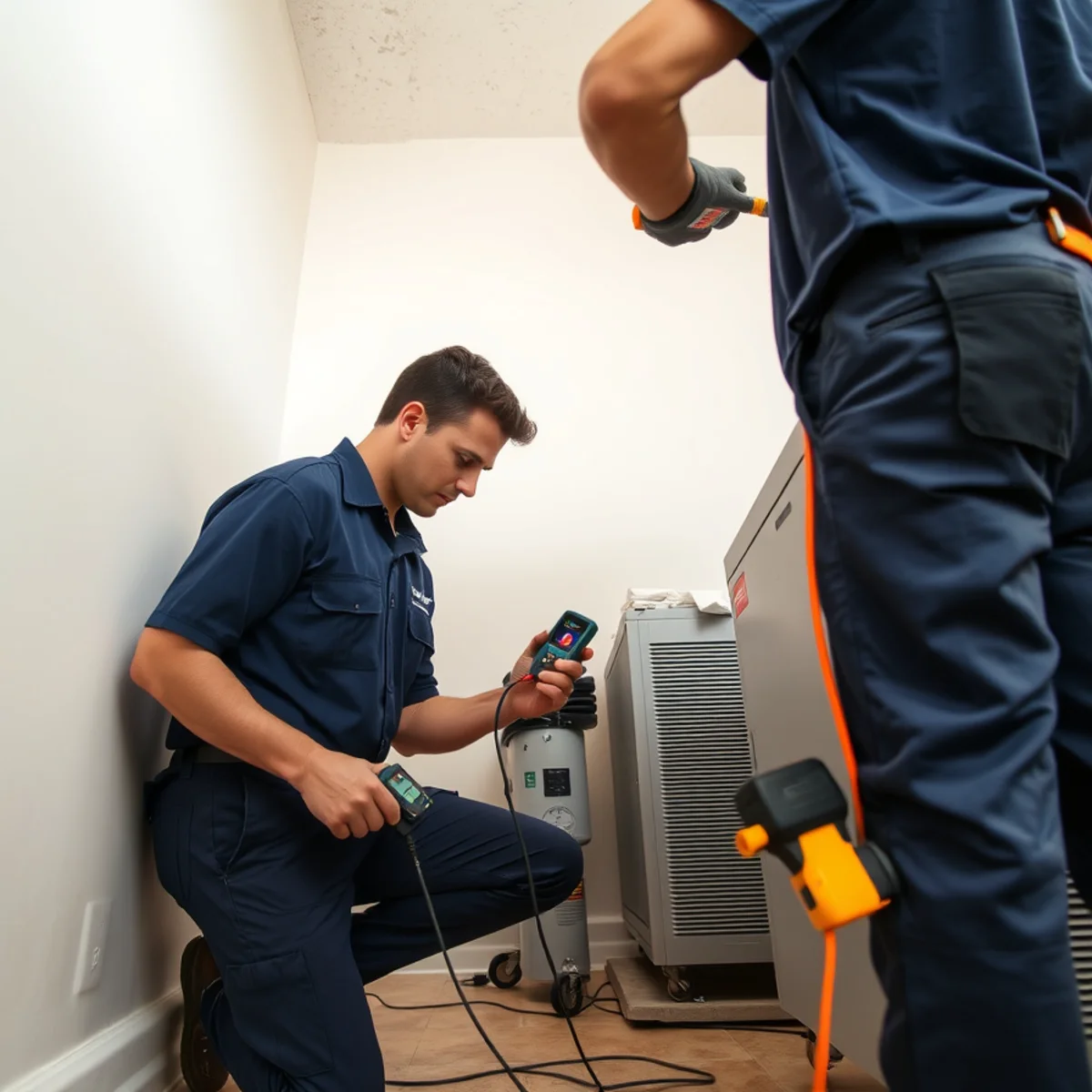
- Live safety and source triage before dispatch, followed by an on-site inspection and moisture map
- Water-category assessment, bulk extraction, protection of unaffected rooms, and contents coordination
- A material-specific drying plan using air movement, dehumidification, and recorded moisture and humidity readings
- Cleaning and sanitation matched to the source, with controlled removal when porous materials cannot be safely retained
- Photographs, affected-material notes, equipment records, progress readings, final verification, and an itemized repair handoff
Signs and problems that need professional attention
- Standing water, soaked carpet, or damp flooring after a leak or storm
- Water stains that grow, return, or feel cool to the touch
- Swollen baseboards, buckled wood, peeling paint, or soft drywall
- Musty odor, elevated indoor humidity, or condensation after a past leak
- Moisture from an upstairs unit, roof, appliance, supply line, or drain backup
Miami buildings need a humidity-aware drying plan
Outdoor air in South Florida is often too humid to help. Opening windows during the wet season can feed moisture back into a structure, so the drying chamber must be controlled. Dehumidifiers lower vapor pressure while carefully placed air movers encourage wet materials to release moisture. Daily measurements show whether that system is working and when equipment can safely be removed.
The material matters. Concrete block, plaster, terrazzo, engineered wood, gypsum board, and cabinet assemblies do not dry at the same rate. A high-rise condo may also require coordination with building management, elevators, loading areas, and neighboring units. We plan for the building in front of us instead of applying a one-room formula.
Documentation that supports an insurance conversation
A water loss is easier to explain when the evidence is organized. Photos, moisture readings, affected-material notes, equipment records, and an itemized scope help your adjuster understand why work was necessary. We can communicate restoration documentation directly while you retain the right to choose the contractor who performs the work.
Coverage depends on the cause and the policy. Sudden interior water events are treated differently from rising floodwater, gradual leakage, and sewer backup. We do not promise coverage or a settlement. We document the condition we find and help you ask informed questions before damaged items are discarded or repairs are concealed.