What a complete reconstruction response includes.
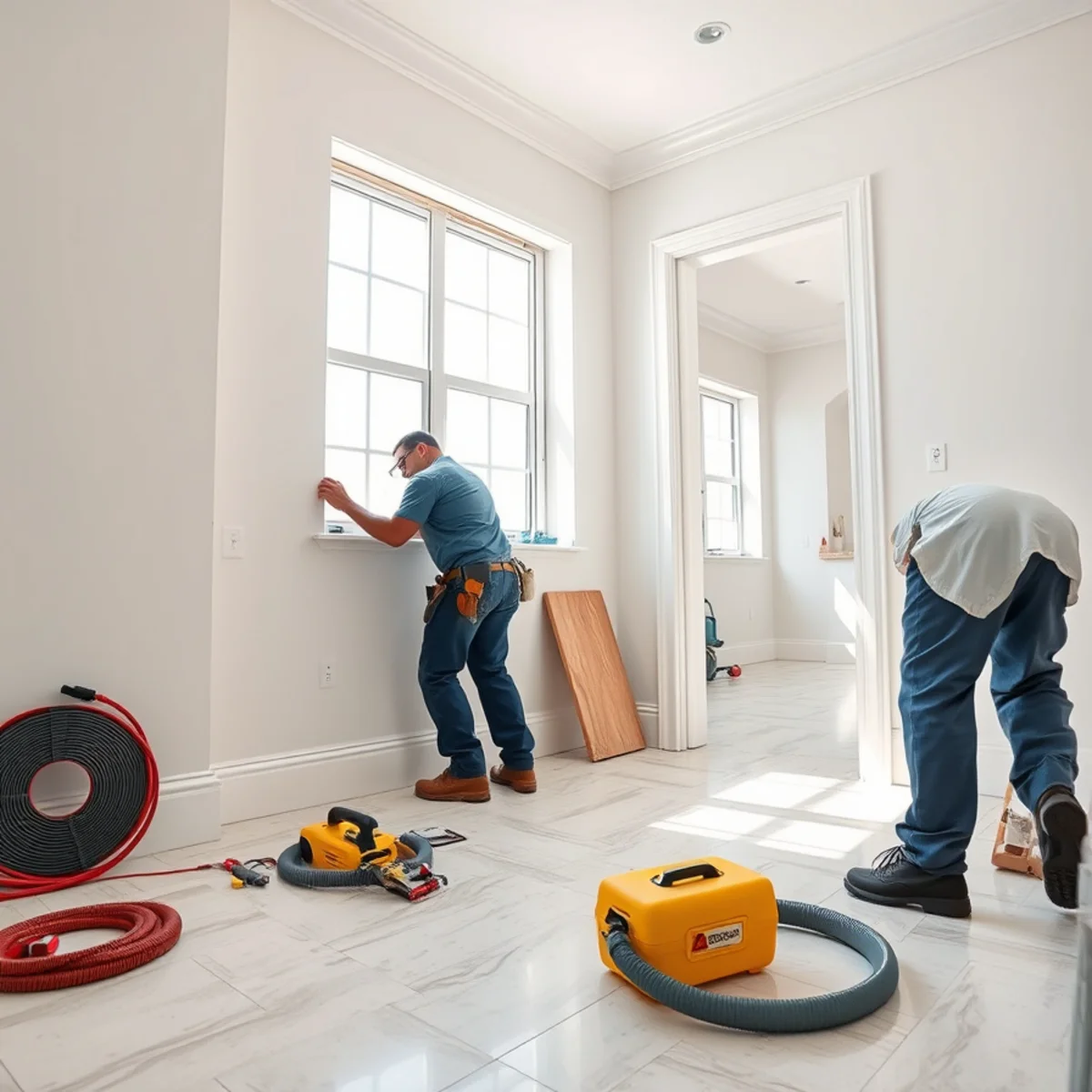
Water damage reconstruction in Miami begins after the source, contamination work, and structural drying are documented as complete. Restoration247 turns the mitigation record into a room-by-room repair scope for insulation, drywall, texture, paint, flooring, trim, cabinetry, and related finishes, while keeping covered loss repairs, code requirements, matching constraints, and elective owner upgrades clearly separated.
Mitigation stops the damage; reconstruction returns the space to use. The handoff is where projects often lose time. Measurements, removal photos, moisture records, material notes, and building requirements need to move into the repair scope without being recreated by a new team.
Restoration247 coordinates that transition. Once retained materials meet the drying goal and contamination controls are complete, the repair plan covers insulation, drywall, texture, paint, trim, flooring, cabinetry, and related finishes. The scope is explained by room and trade so owners can see what restores the loss area and what would be an elective upgrade.
What is included in reconstruction service
- Mitigation closeout review tying final moisture readings, removal photographs, quantities, and open assemblies to the repair plan
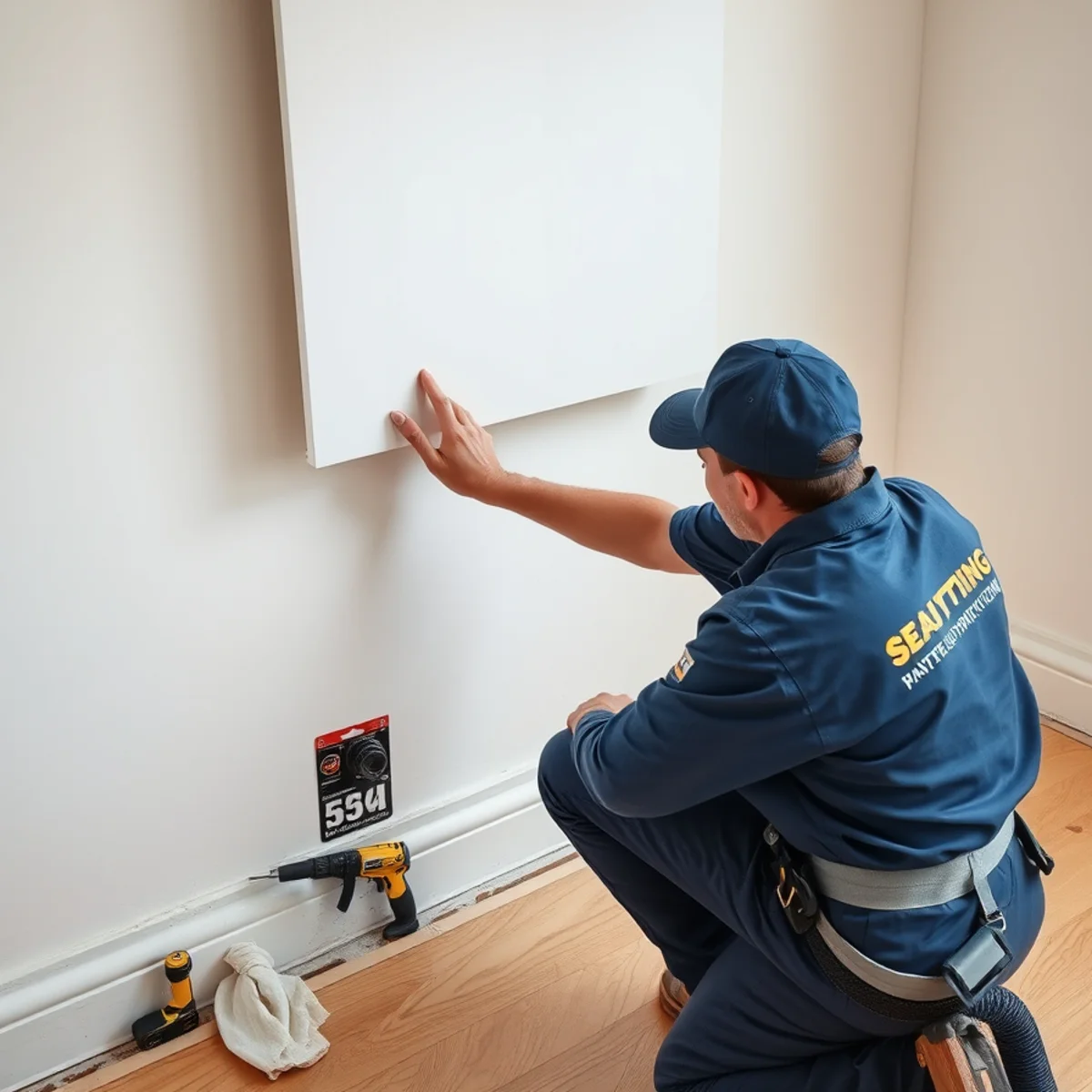
- Room- and trade-organized scope for insulation, drywall, texture, paint, trim, doors, flooring, cabinets, and other affected finishes
- Early samples and written discussion of discontinued tile, continuous flooring, paint boundaries, cabinet profiles, and practical matching limits
- Permit, condo registration, insurance, material lead-time, contents, elevator, work-hour, and common-area planning before scheduling
- Sequenced construction, occupied-space protection, daily cleanup, final detailing, and an owner walkthrough against the approved scope
Signs and problems that need professional attention
- Drywall, insulation, baseboards, or flooring were removed during mitigation
- Cabinet bases, toe-kicks, doors, or built-ins were damaged by swelling
- A room is dry but not usable because finishes remain open
- Multiple trades are needed and the owner wants one coordinated schedule
- Condo or commercial repairs require management approvals and access planning
A repair scope should trace back to the mitigation record
If two feet of drywall were removed around a room, the reconstruction quantity should be understandable from the photographs and measurements. If flooring runs continuously through several rooms, transition points and matching limitations should be discussed before materials are ordered. Clear links between damage, removal, and repair reduce surprises.
Matching is a practical issue in older Miami homes and condominiums. Tile lots, engineered wood colors, cabinet profiles, and textured finishes may no longer be available. We identify those constraints early and present reasonable paths rather than promising an invisible match before samples are compared.
Condo and occupied-property coordination
Brickell and coastal high-rises may require certificates of insurance, contractor registration, work-hour limits, elevator reservations, debris routes, and protection for common areas. These logistics belong in the schedule, not as last-minute obstacles after crews arrive.
For occupied homes and businesses, repair sequencing protects usable rooms and limits dust. Containment, daily cleanup, material staging, and clear shutdown periods help owners plan around the work. Safety and access remain part of the restoration even after the water is gone.