Keep people out of the hazard
Do not enter standing water near outlets, appliances, an electrical panel, sewage, unstable ceilings, or storm debris. Call emergency services when life safety is at risk.
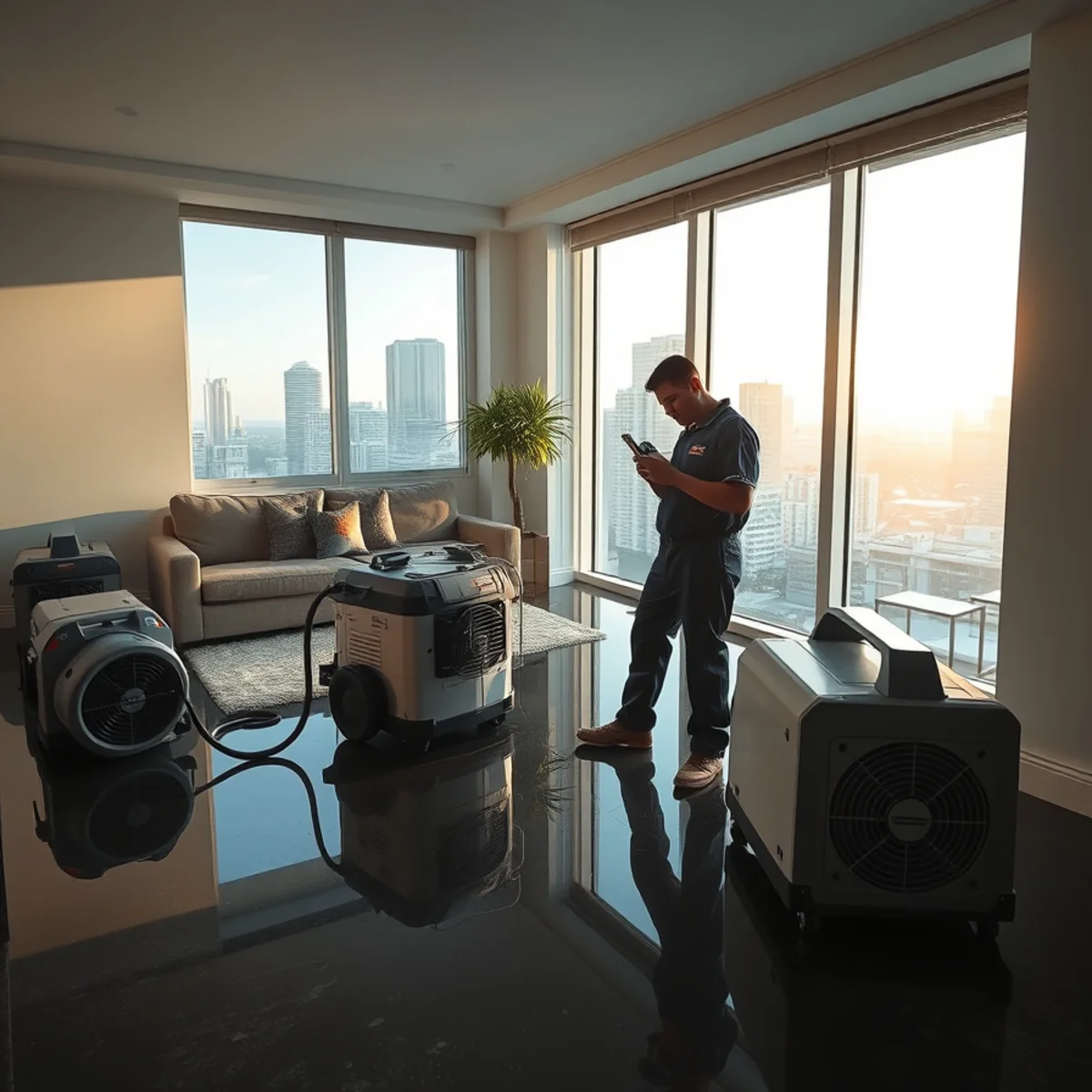
From the first extraction pass to the final coat of paint, one certified team maps the moisture, documents the loss, dries the structure, and rebuilds what water damaged.
Protect people first, reduce the flow only when the route is safe, and preserve the original condition for the restoration and insurance files.
Do not enter standing water near outlets, appliances, an electrical panel, sewage, unstable ceilings, or storm debris. Call emergency services when life safety is at risk.
Close the correct water shutoff only when you can reach it safely. Never use a household vacuum on standing water, and do not run fans where visible mold or sewage may spread.
Photograph the source, water line, affected rooms, and damaged contents before cleanup when it is safe. Note the discovery time and move only small, dry valuables out of the path.
Every service page explains the source, safety concerns, equipment, drying logic, insurance documentation, and repair handoff in plain English.
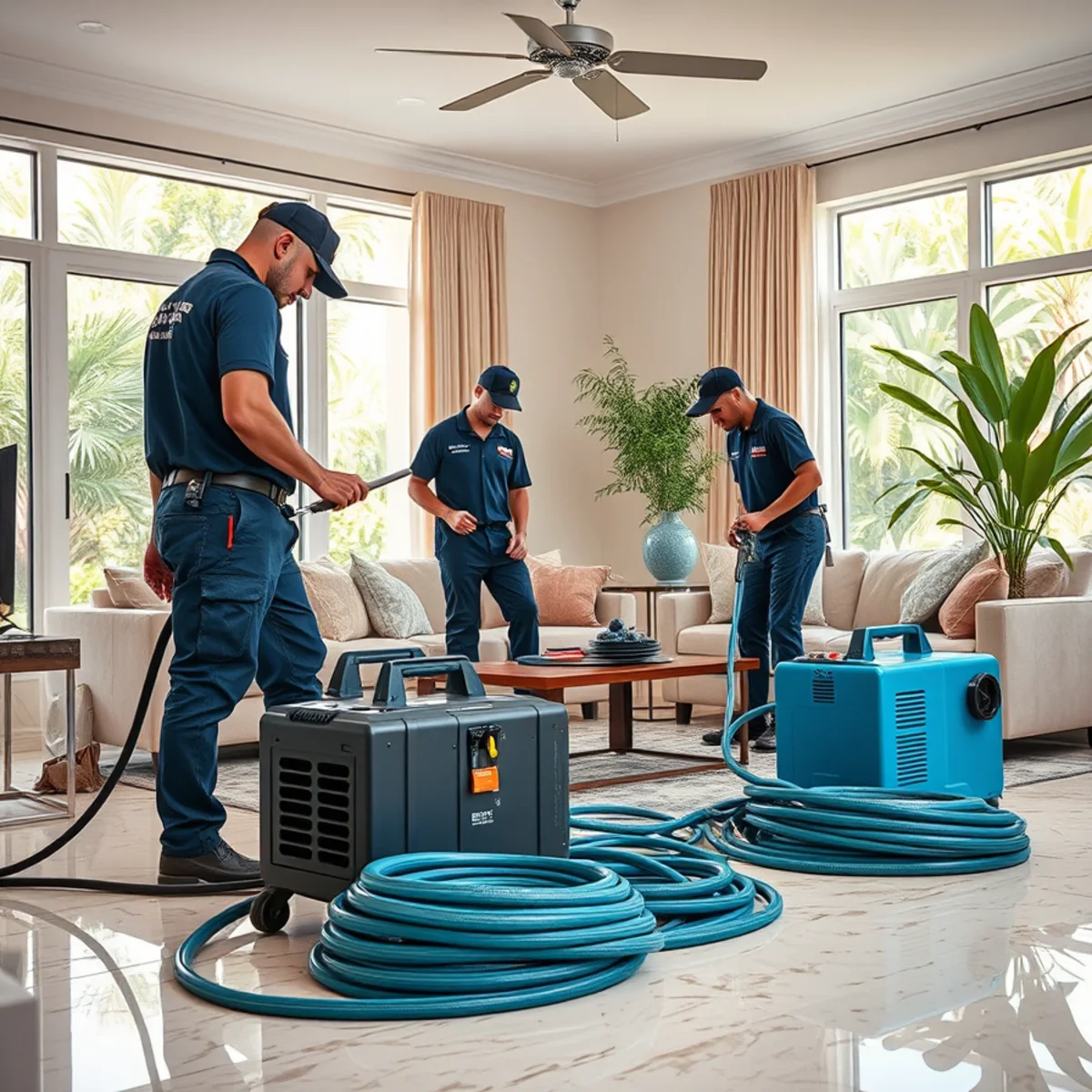
One accountable team for inspection, extraction, documented drying, sanitation, and repairs.
Explore water damage →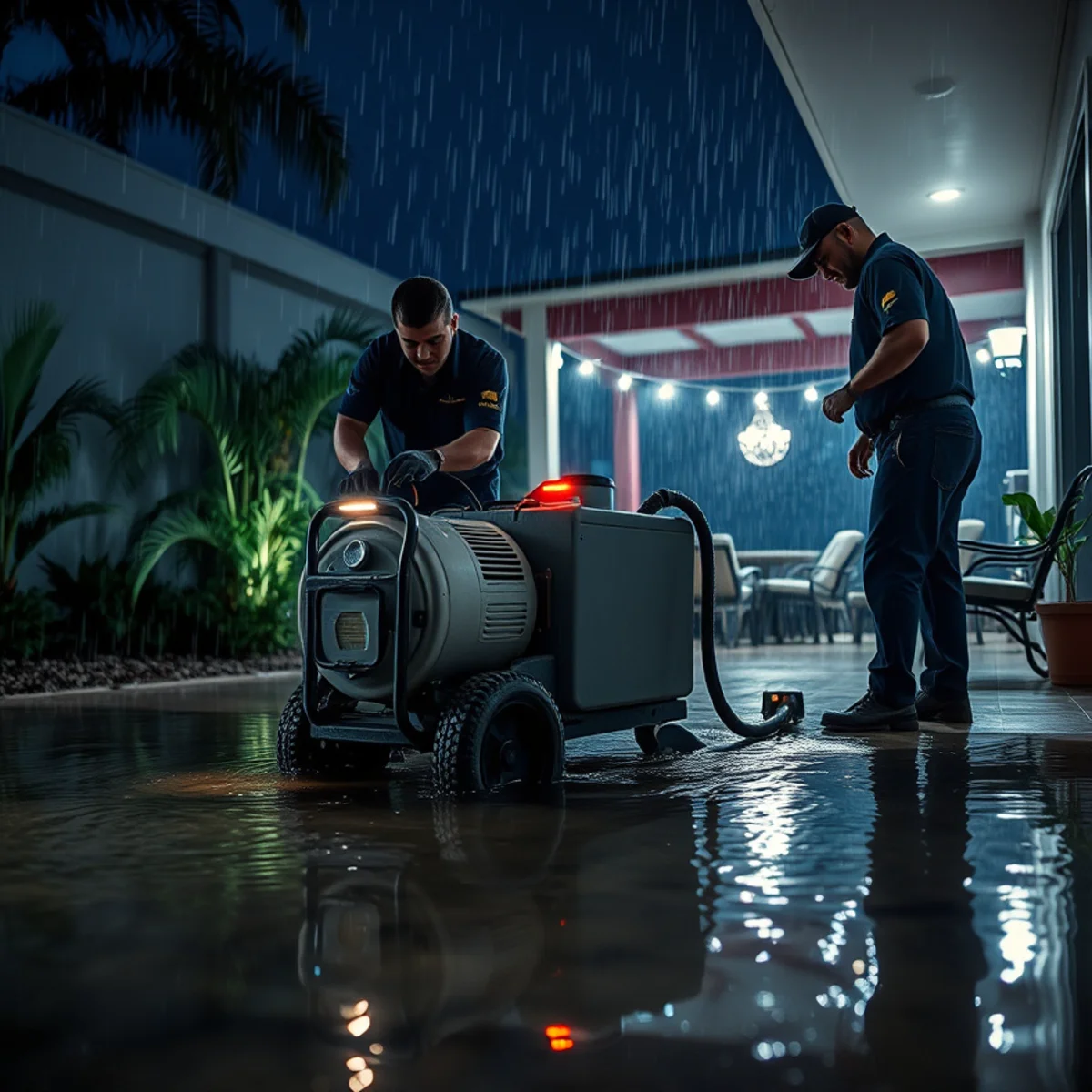
Rapid pumping and extraction for active leaks, overflows, and flooded rooms, day or night.
Explore emergency removal →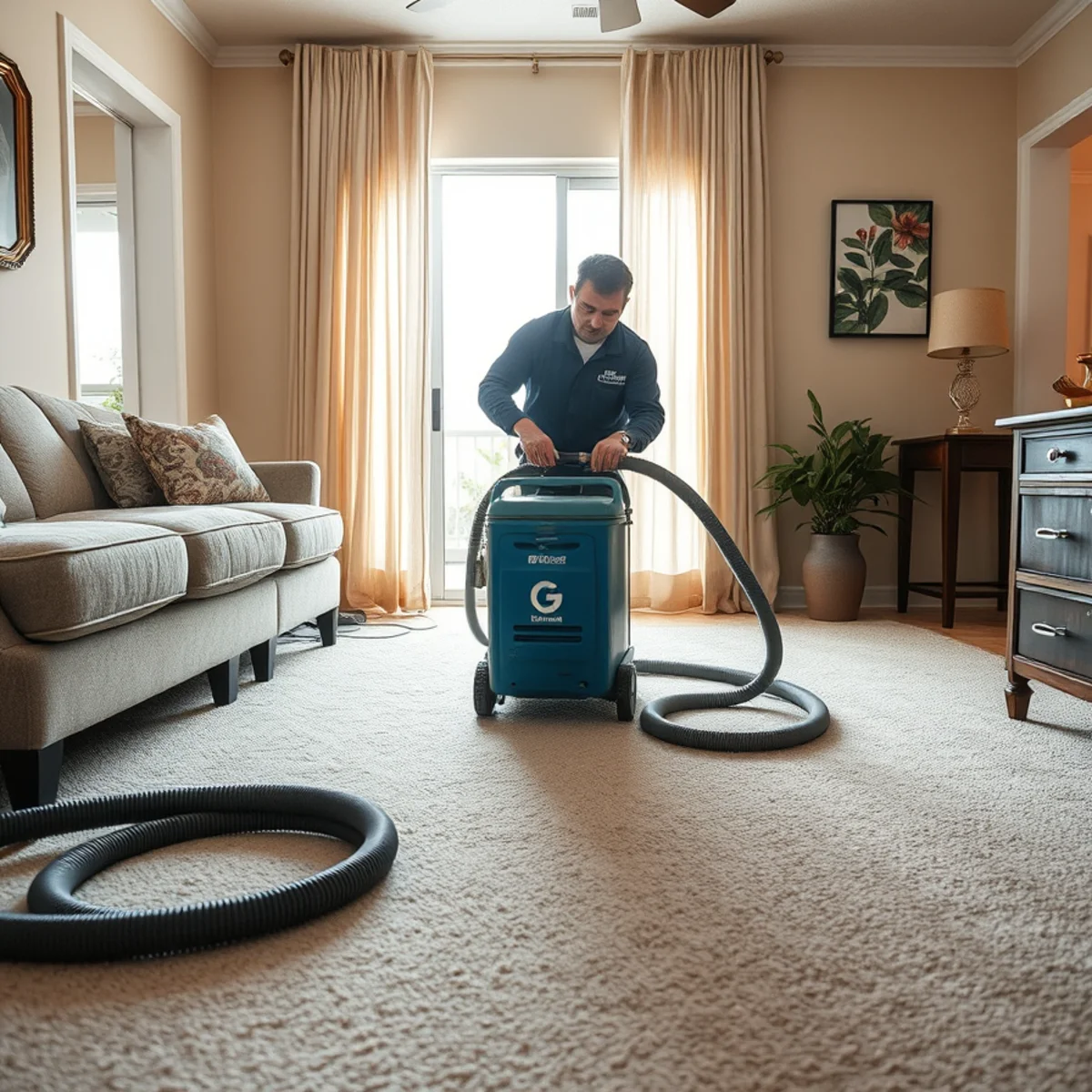
Professional extraction from flooring, carpet, pad, wall edges, and hard-to-reach assemblies.
Explore water extraction →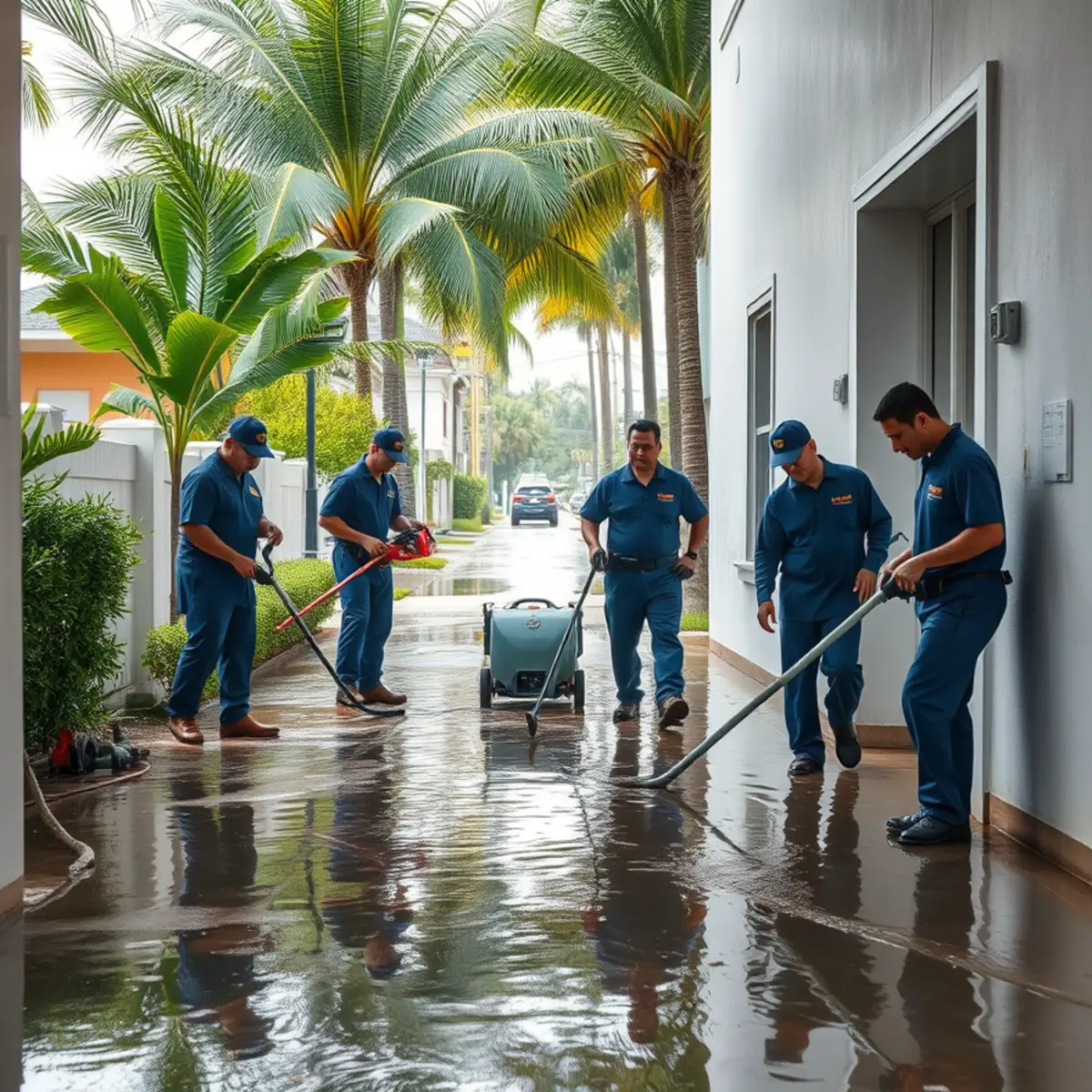
Contaminated-water cleanup, debris removal, drying, sanitation, and repair after floods and storms.
Explore flood cleanup →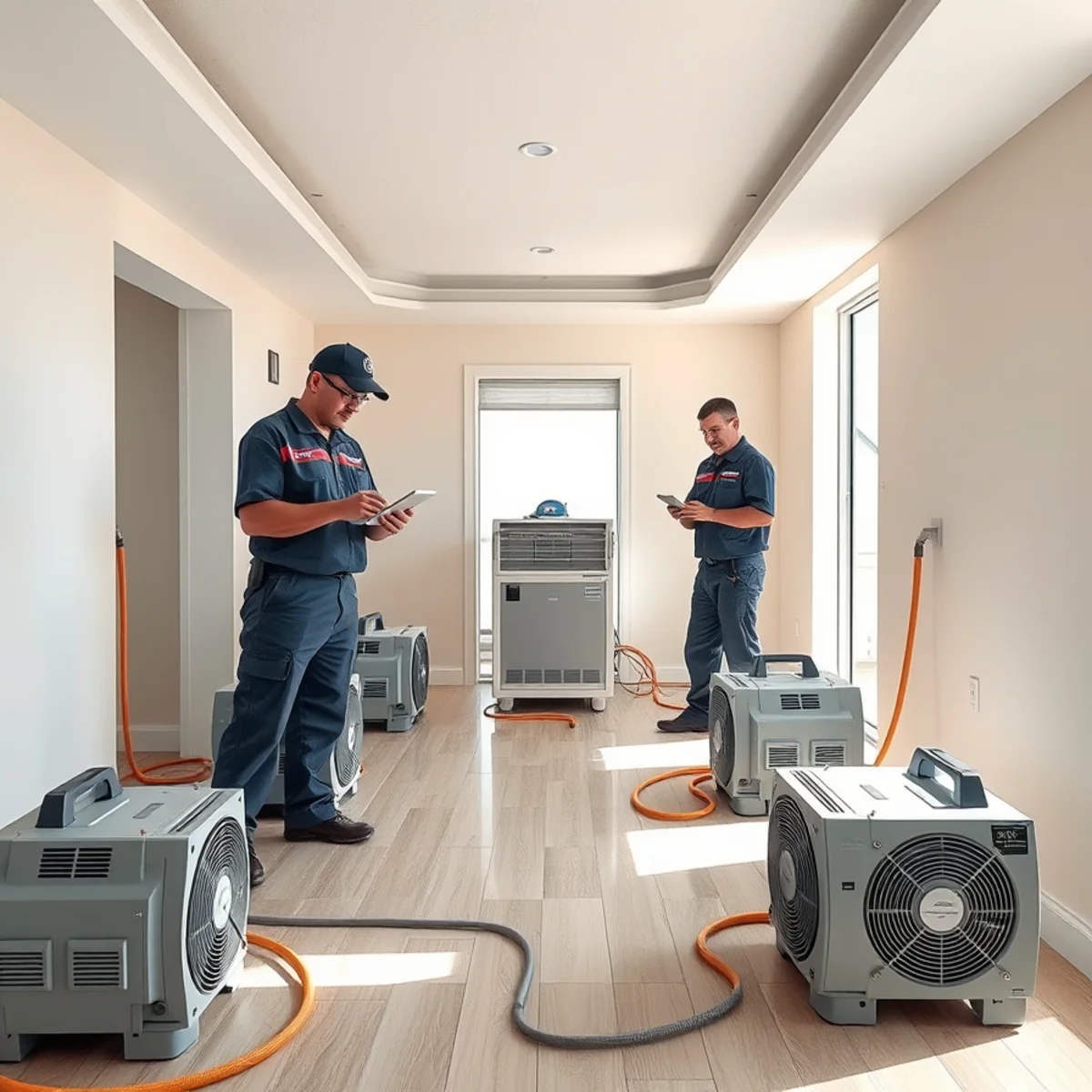
Measured drying for walls, floors, framing, concrete, cabinets, and other building assemblies.
Explore structural drying →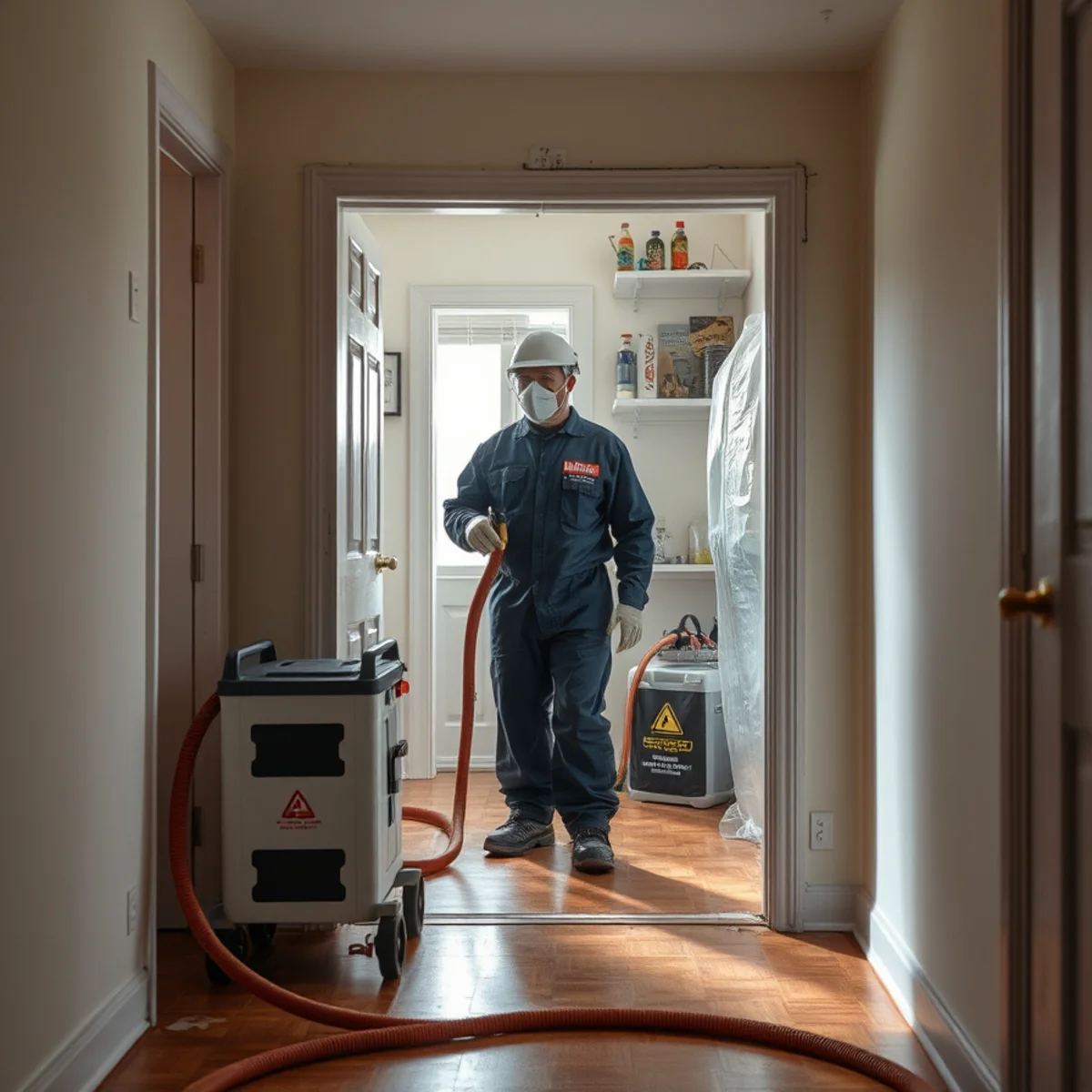
Source correction, containment, HEPA air control, material removal, cleaning, and moisture prevention.
Explore mold remediation →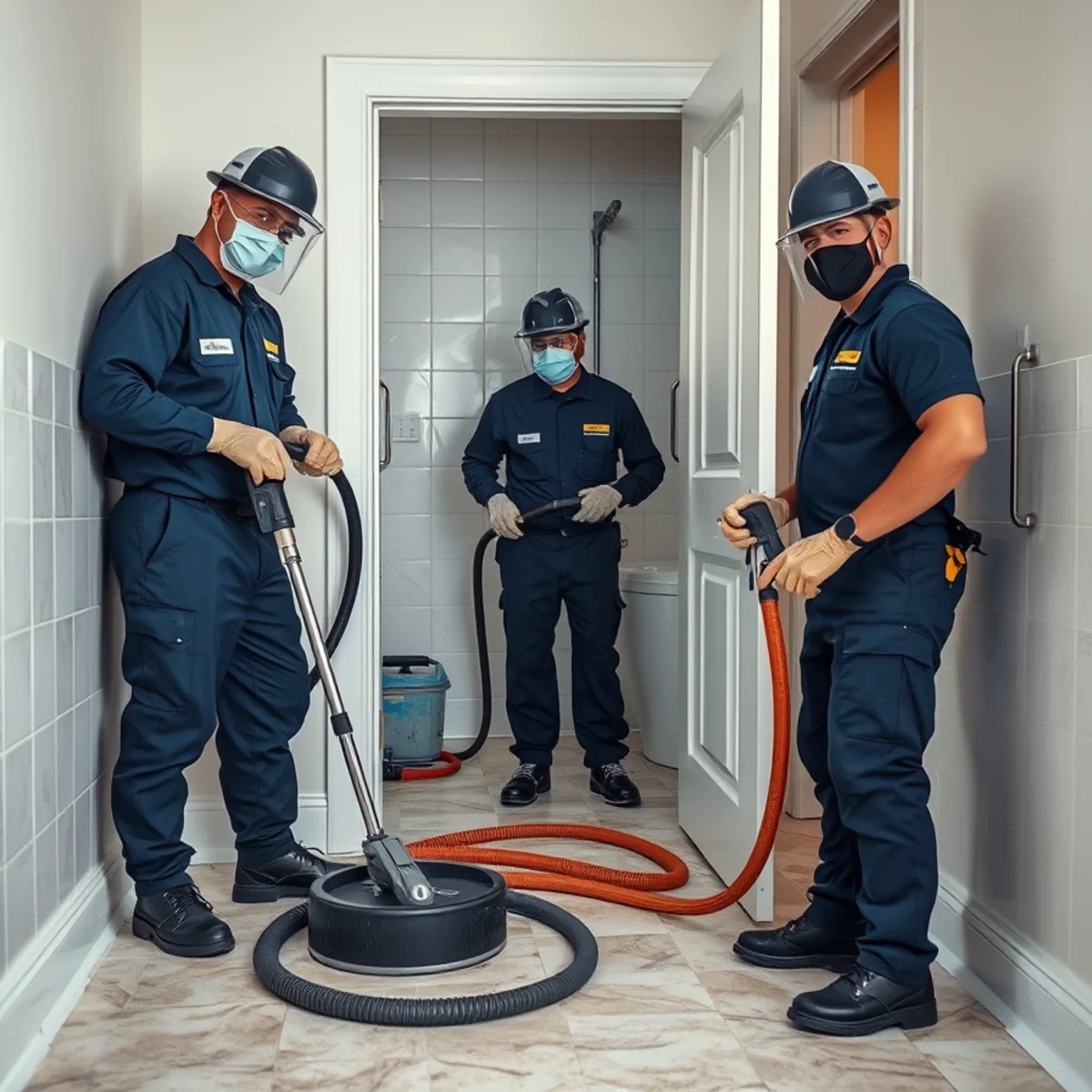
Containment, extraction, disposal, disinfection, odor control, drying, and repairs for Category 3 water.
Explore sewage cleanup →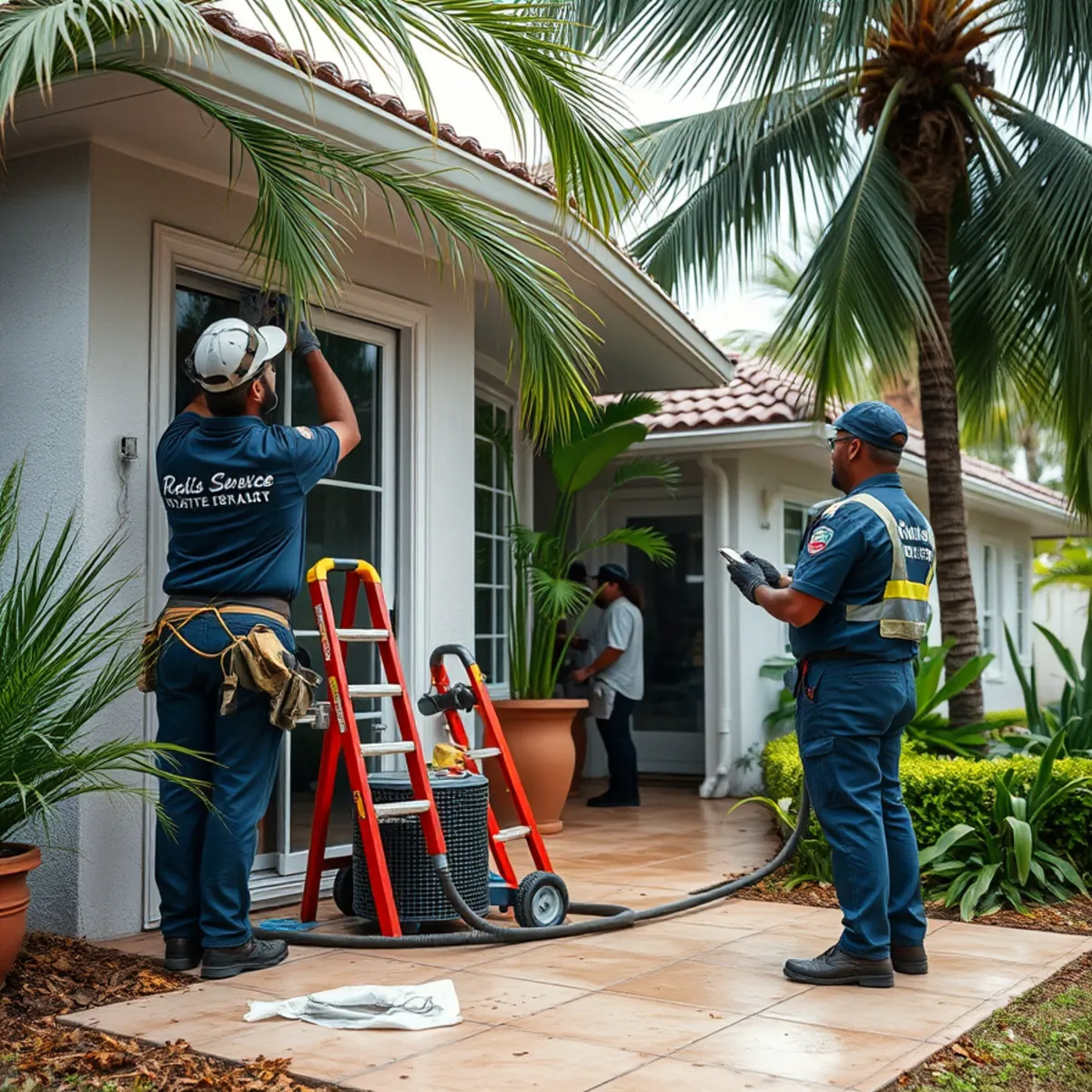
Board-up, roof tarping, extraction, saltwater cleanup, drying, contents protection, and repairs.
Explore storm & hurricane →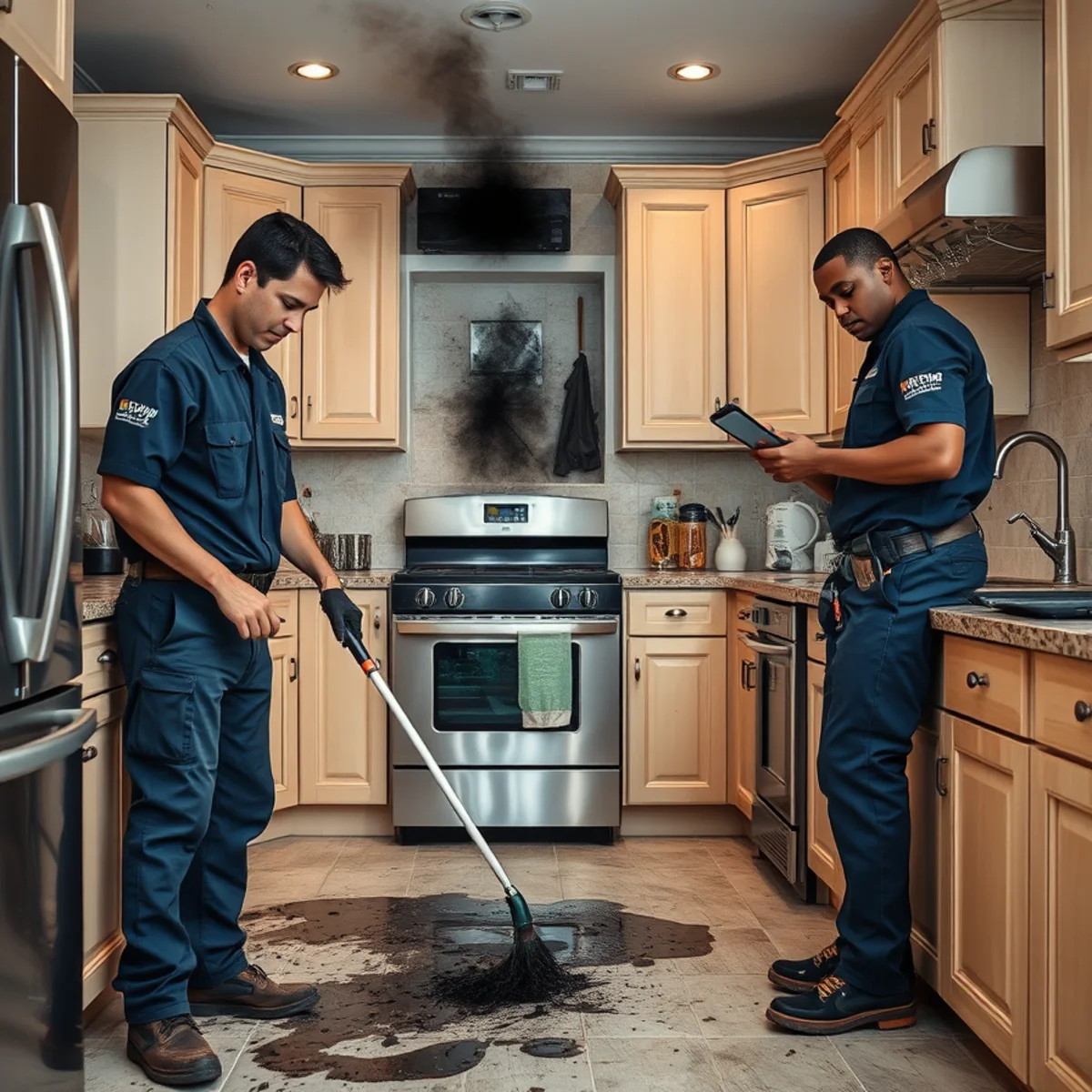
Board-up, soot assessment, contents handling, odor removal, cleaning, water mitigation, and repairs.
Explore fire & smoke →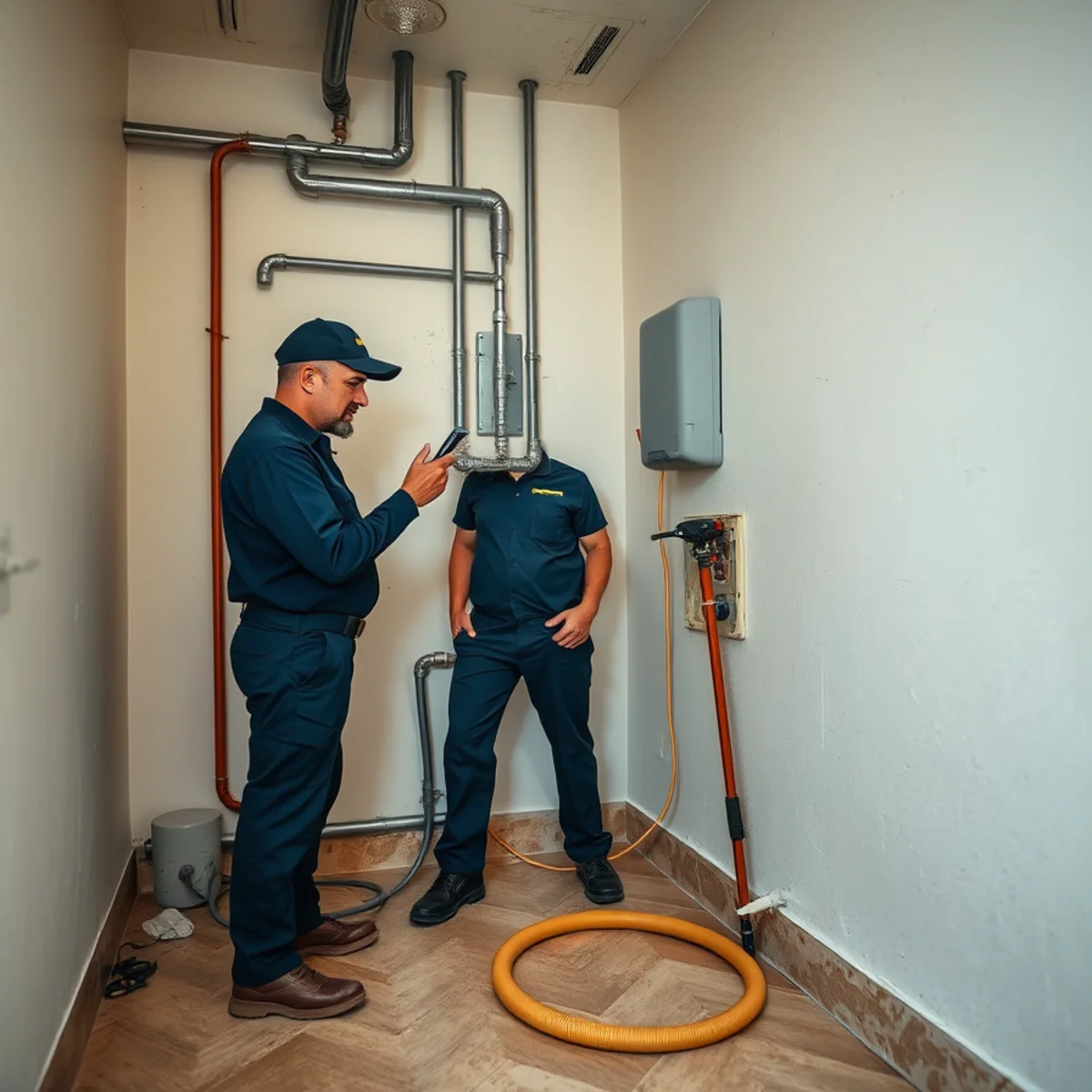
Source coordination, emergency extraction, wall and floor drying, documentation, and repairs after pipe failures.
Explore burst pipe cleanup →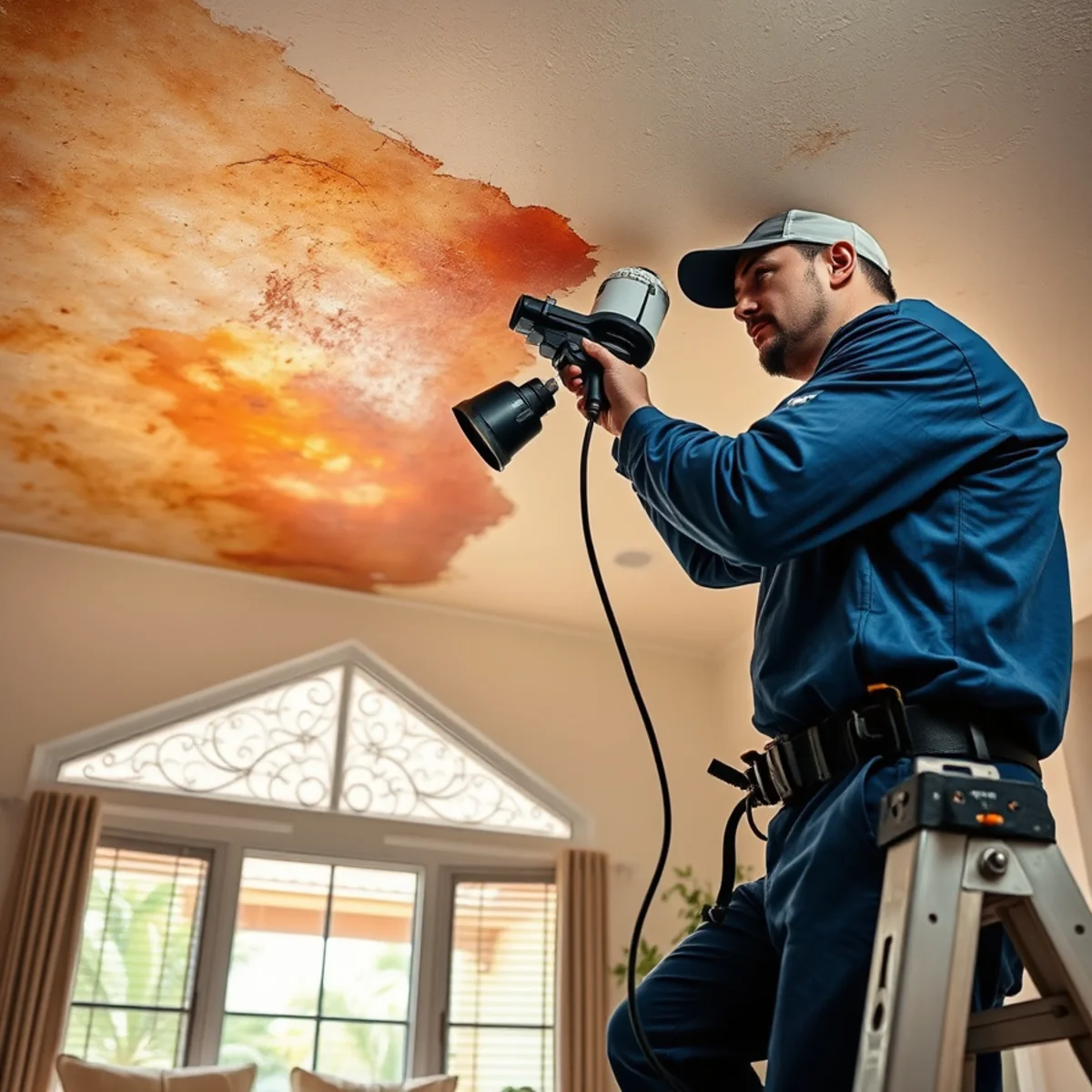
Temporary roof protection, interior extraction, ceiling and wall drying, mold control, and repairs.
Explore roof leak damage →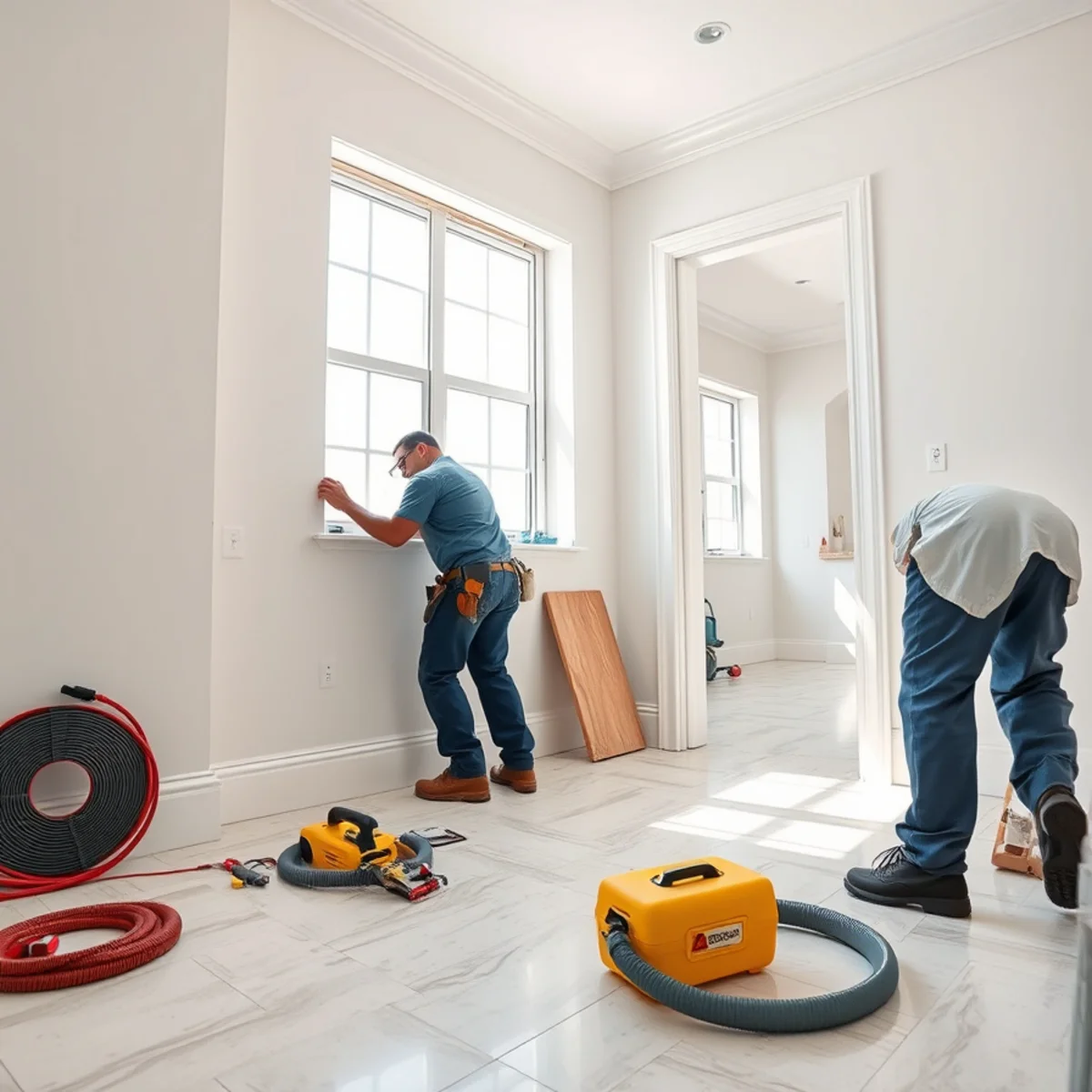
A coordinated rebuild for drywall, flooring, trim, paint, cabinetry, and other finishes after mitigation.
Explore reconstruction →Color alone does not assign a category. The source, time, temperature, contaminants, and materials touched determine containment, cleaning, removal, and drying decisions.
Water may begin at a sanitary supply line or fixture, but time and contact with insulation, flooring, dust, and other materials can change the cleanup decision.
Appliance discharge and some drain or fixture overflows can contain meaningful contamination. Source, age, temperature, and the materials touched determine what can be retained.
Sewage, exterior flooding, canal water, and storm surge are treated as contaminated. Containment, protective equipment, controlled removal, cleaning, and disinfection come before drying.
Miami’s humidity, concrete construction, condo towers, saltwater exposure, and storm cycles demand more than fans and a visual check. The plan also changes for a supply-line break, AC or appliance discharge, roof intrusion, sewage backup, canal flooding, or storm surge. The work is measured from the first moisture map to the final reading.
Thermal patterns are confirmed with direct moisture readings. Photos, affected-material notes, equipment records, and daily logs explain why each step is necessary.
Controlled dehumidification accounts for humid outdoor air, concrete and block assemblies, coastal corrosion, and high-rise access.
Extraction, sanitation, drying, contents coordination, insurance documentation, and reconstruction stay connected through one project record.
Depending on the source and building, the plan can combine submersible pumps or professional extractors, commercial dehumidifiers and air movers, direct-reading moisture meters, thermal imaging, and HEPA-filtered air control. Equipment is adjusted from measured progress instead of left for a fixed number of days.
Each phase answers a different question: Is the site safe? Where did the water travel? What can be retained? Is the structure reaching a drying goal? What must be repaired?
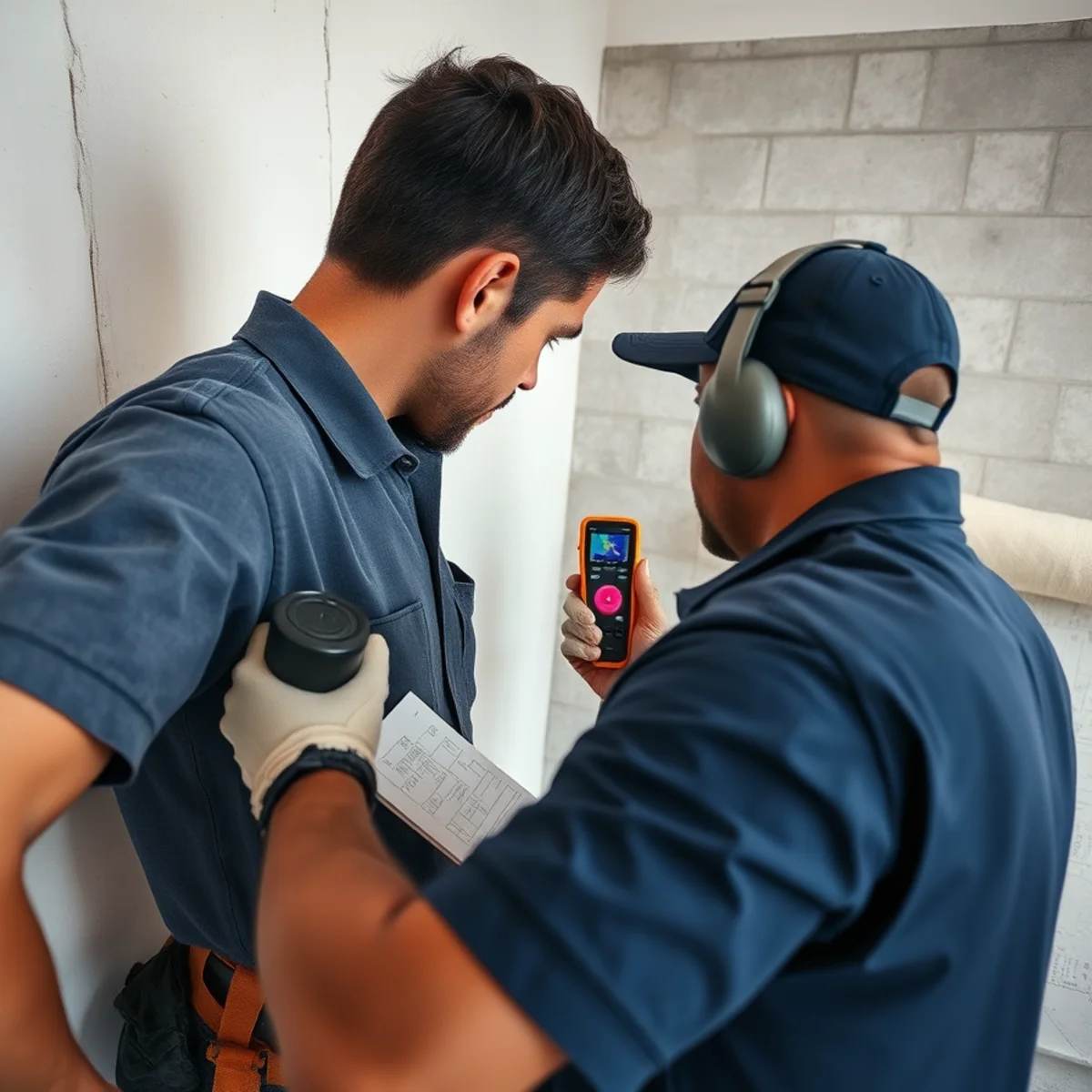
The first visit identifies electrical, structural, contamination, and access hazards while the active source is stopped or isolated when safe.
Thermal patterns are confirmed with direct readings so the documented wet boundary includes wall bases, cabinets, flooring, adjoining rooms, and lower levels.
Pumps and professional extractors remove accessible water while contents, clean rooms, common areas, and neighboring units are protected.
The water category guides sanitation and removal. Air movement and dehumidification are adjusted from humidity and material readings.
Final readings confirm the drying goal before retained finishes are closed, then the mitigation record carries into an itemized repair scope.
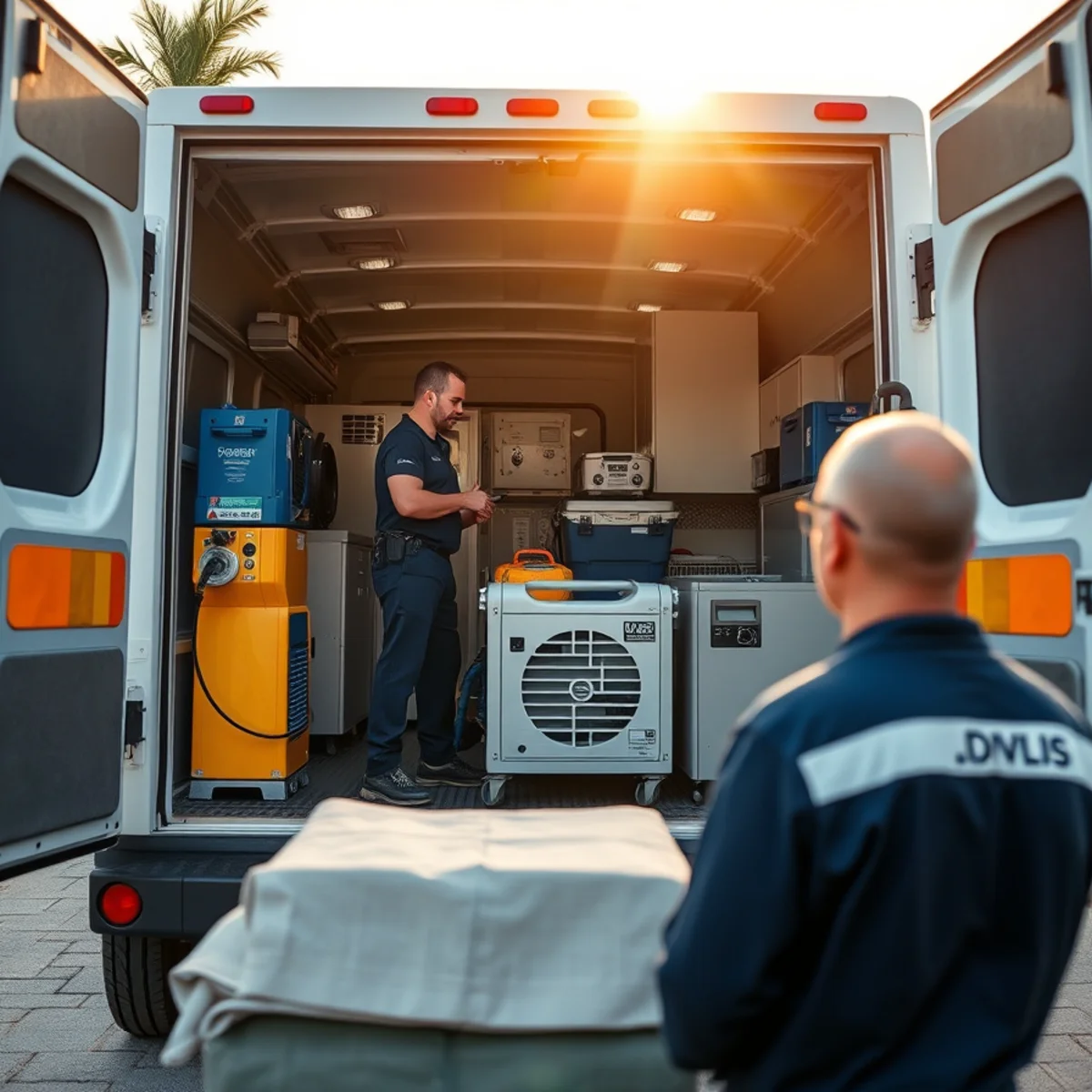
Restoration247 is built around a simple operating idea: the property owner should not have to repeat the same story to the extraction crew, drying technician, insurance contact, and repair contractor.
The team carries the loss forward—from the source and first moisture reading to the repair scope. The process is direct, the records are visible, and coverage claims are never promised beyond what the policy and carrier decide.
The record begins before damaged finishes disappear. Wide and close photographs, the apparent source, room-by-room moisture readings, water category, affected materials, equipment dates, removal notes, progress readings, and an itemized scope explain what the crew found and why each step was taken.
Restoration247 can send physical-loss documentation, meet or communicate with the adjuster, and answer technical questions about mitigation and repairs. You keep the right to choose your contractor. The carrier and policy decide coverage, deductible treatment, and settlement; no restoration company can guarantee those outcomes.
When it is safe, document the condition before cleanup and notify the carrier promptly. Emergency action should not wait when water, electricity, sewage, or structural conditions threaten people or the building.
Each city page addresses its building stock, flooding pattern, access constraints, local landmarks, and ZIP-code coverage—not a find-and-replace location template.
FEMA’s Flood Map Service Center is the official public source for NFIP flood-hazard information. A mapped zone helps with planning and insurance questions, but it does not identify the source or contamination level of today’s water loss.
Search the FEMA Flood Map Service Center →No customer review count or testimonials were supplied for this launch, so this site does not invent stars, names, neighborhoods, or aggregate-rating schema. Verified first-party and Google feedback can be published as it is collected.
Until then, the trust standard is concrete: written credentials, a physical Miami address, direct contact information, moisture documentation, a defined process, and clear limits on insurance promises.
Review our publication policy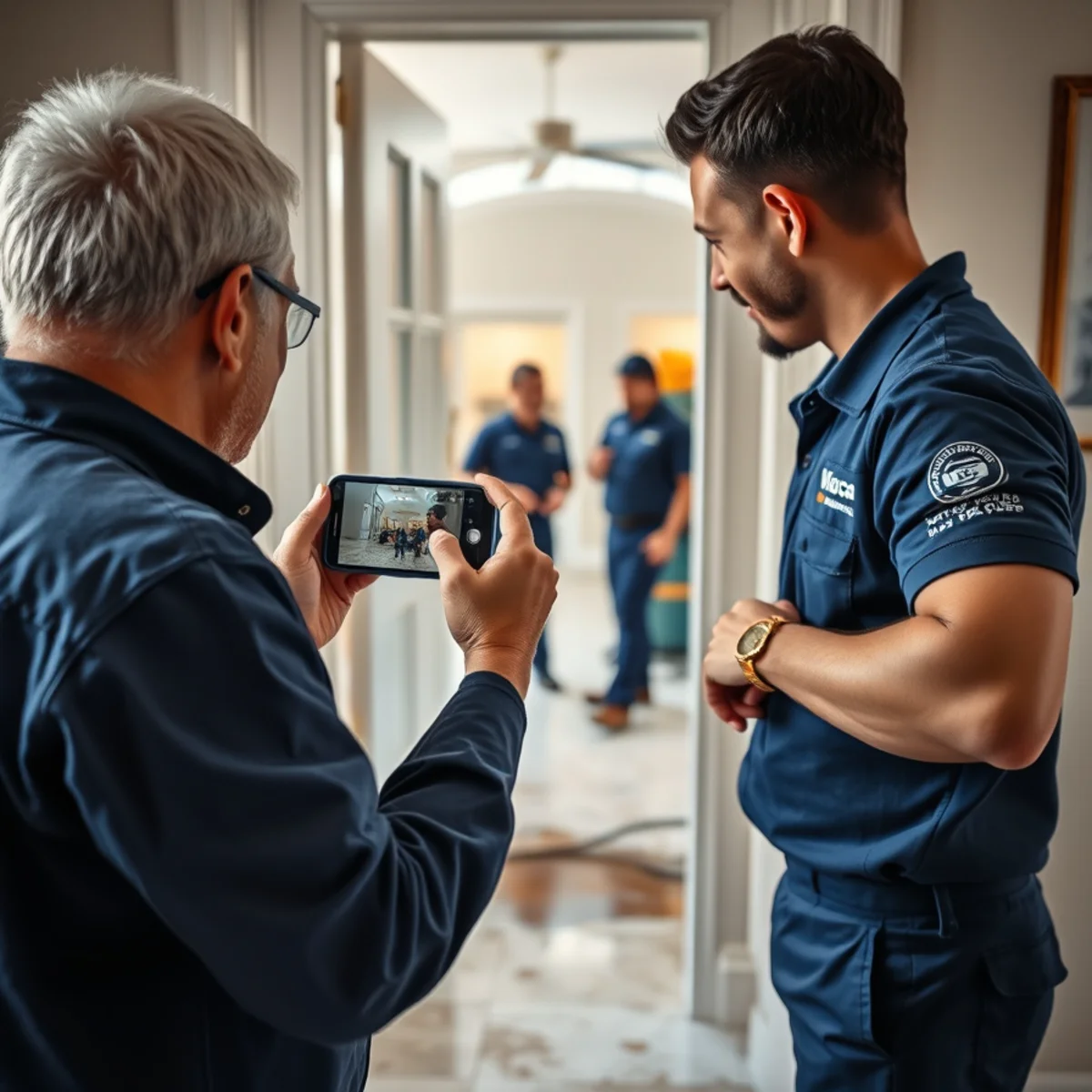
A calm, safety-first checklist for the first hour after a pipe break, overflow, roof leak, or flood in a Miami property.
Read the guide →
A transparent guide to the variables behind a Miami restoration estimate, from water category and square footage to high-rise access and rebuild scope.
Read the guide →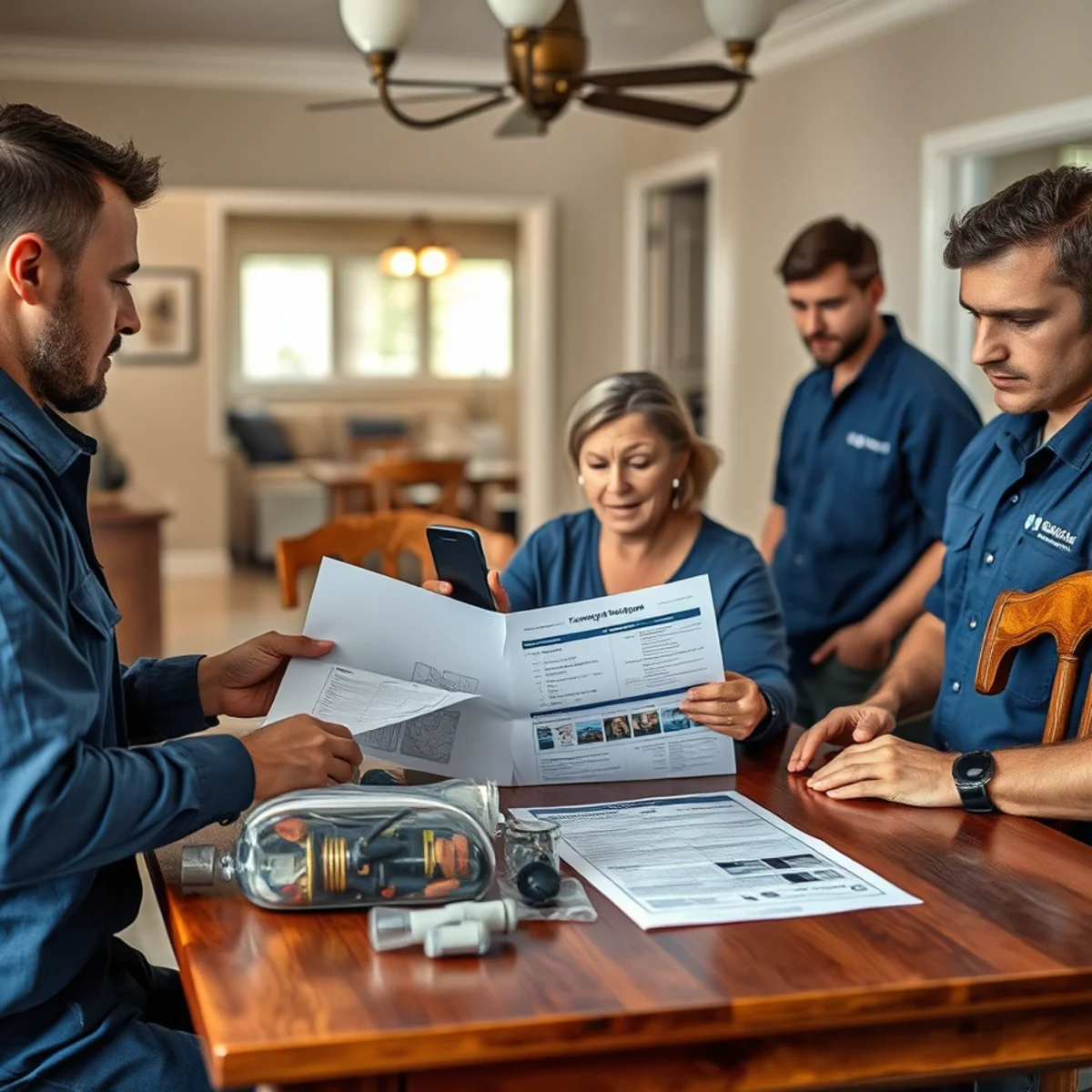
A plain-language guide to the coverage questions Miami owners should ask after a pipe break, roof leak, flood, or sewage backup.
Read the guide →The emergency line is the fastest path when water is actively moving. The form prepares a text with the details the dispatcher needs.
The emergency line operates 24/7/365 with a 60-minute response target. Actual arrival depends on traffic, weather, building access, active storm conditions, and current dispatch volume.
Protect people first. Avoid water near electricity, sewage, unstable ceilings, and storm debris. If you can reach the correct shutoff from a dry route, stop the source. Photograph conditions and move only small dry valuables when it is safe.
Yes. The supplied business offer includes a free inspection and moisture assessment, a free estimate, and no trip charge. Any authorized emergency or restoration work is explained separately.
Coverage depends on the cause and policy. Sudden interior water, rising floodwater, sewer backup, gradual leakage, and roof failure can be treated differently. We document the physical loss and communicate with the adjuster but cannot guarantee coverage.
Many residential losses require several days, but dense materials, cabinets, flooring, contamination, and high humidity can extend the timeline. Final moisture readings, not a fixed calendar date, determine completion.
Yes. The service covers inspection, extraction, cleaning, structural drying, moisture documentation, and reconstruction for damaged drywall, flooring, trim, cabinetry, paint, and related finishes.
Yes. Category 3 and exterior floodwater require containment, protective equipment, controlled removal, cleaning, disinfection, drying, and conservative decisions about porous materials.
The supplied business credentials are IICRC Certified and Licensed & Insured, with 30+ years of staff experience. Specific license numbers were not provided for publication and are not fabricated on this website.
Speak with a restoration specialist now. The initial inspection and moisture assessment are free.