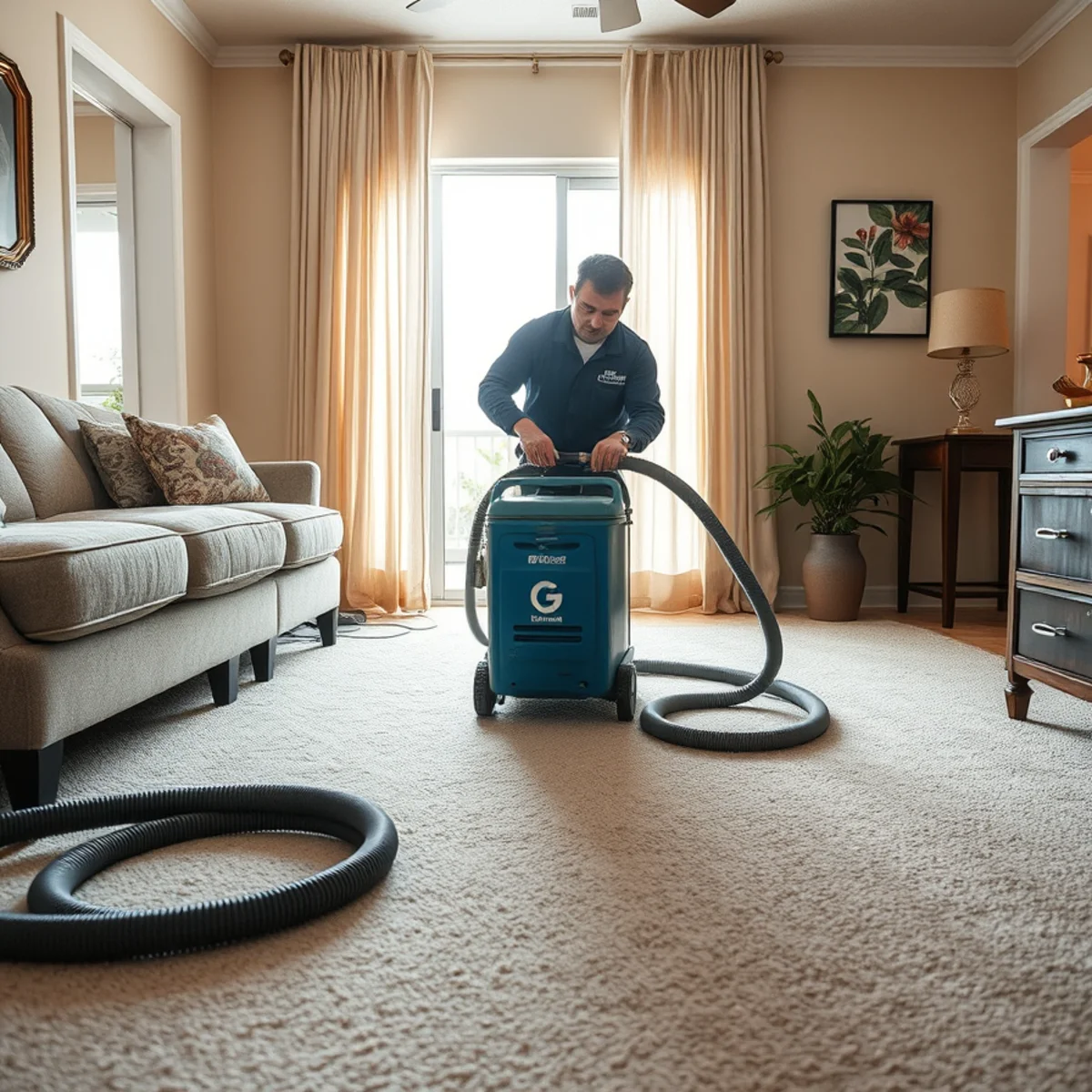
What a complete water extraction response includes.
Water extraction in Miami removes liquid water from hard floors, carpet and pad, wood seams, wall edges, and other accessible layers before structural drying begins. The correct tool depends on the assembly and contamination; repeated extraction passes and moisture readings show what was removed and what remains trapped below the surface.
Good extraction shortens drying time. Every gallon removed mechanically is a gallon the dehumidifiers do not have to pull through the air later. That matters in Miami, where ambient humidity already places a heavy load on a drying system.
We match the extraction tool to the assembly. Hard surfaces, glue-down carpet, carpet over pad, hardwood seams, and confined edges each release water differently. The work continues until repeated passes stop producing meaningful moisture, then meters are used to decide what remains wet below or behind the surface.
What is included in water extraction service
- A flooring and assembly check covering carpet, pad, adhesives, transitions, floating floors, wood seams, wall bases, and subfloor access
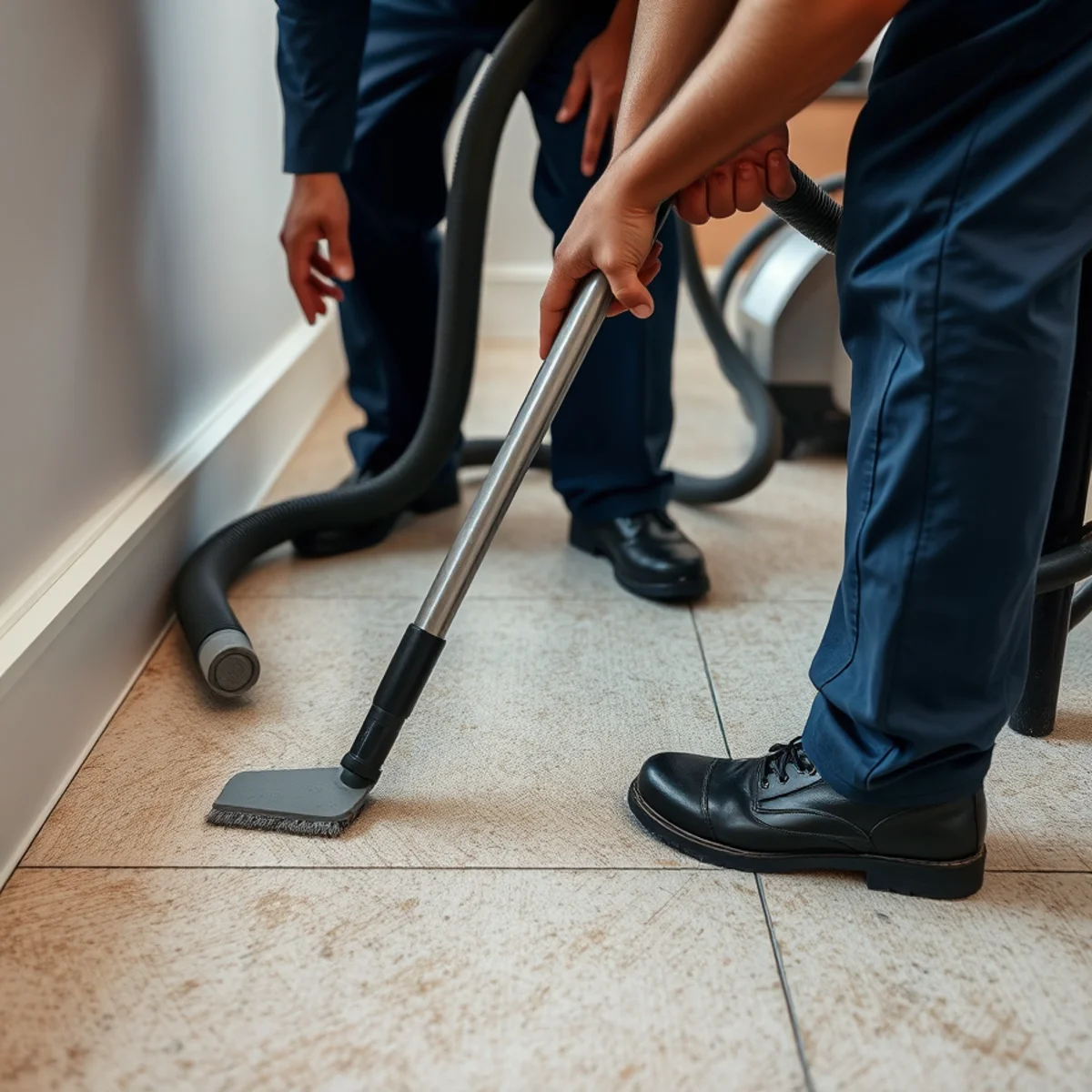
- Bulk pumping followed by detail extraction with tools matched to hard surfaces, porous flooring, edges, confined spaces, and salvageable materials
- Separate retention decisions for carpet, pad, wood, laminate, underlayment, and other layers instead of treating the finish as one material
- Direct moisture checks after extraction to locate water that remains beneath flooring, inside wall bases, under cabinets, or in connected rooms
- A documented transition to controlled air movement, dehumidification, cleaning, monitoring, selective access, or removal where extraction alone is not enough
Signs and problems that need professional attention
- Water squishing from carpet or appearing at seams under foot pressure
- Pooled water on tile, terrazzo, concrete, or commercial flooring
- Water trapped under floating floors or migrating along expansion gaps
- Wet pad, tack strips, baseboards, or lower drywall after an overflow
- Localized flooding around appliances, water heaters, or plumbing fixtures
Saving material starts with fast, careful extraction
Carpet may be salvageable after a clean-water event if action is prompt, the backing remains stable, and contamination has not developed. Pad is evaluated separately. Wood flooring may benefit from specialty surface or mat extraction that pulls moisture through seams while reducing the need for immediate demolition.
Contaminated water changes the decision. Porous materials exposed to sewage or exterior floodwater may not be safe to retain. We explain that boundary before removal so you understand which decisions are based on contamination and which are based on physical damage.
Why a shop vacuum is not a drying plan
A wet/dry vacuum can collect a small visible puddle, but it does not show whether water moved behind baseboards, beneath flooring, or into adjoining rooms. It also should never be used for sewage, and household electrical equipment is unsafe around significant standing water.
Professional extraction combines capacity, appropriate tooling, moisture mapping, and a transition to controlled drying. The goal is not simply a dry photograph. It is a documented structure with no unaddressed wet materials left to feed odor, swelling, corrosion, or mold.