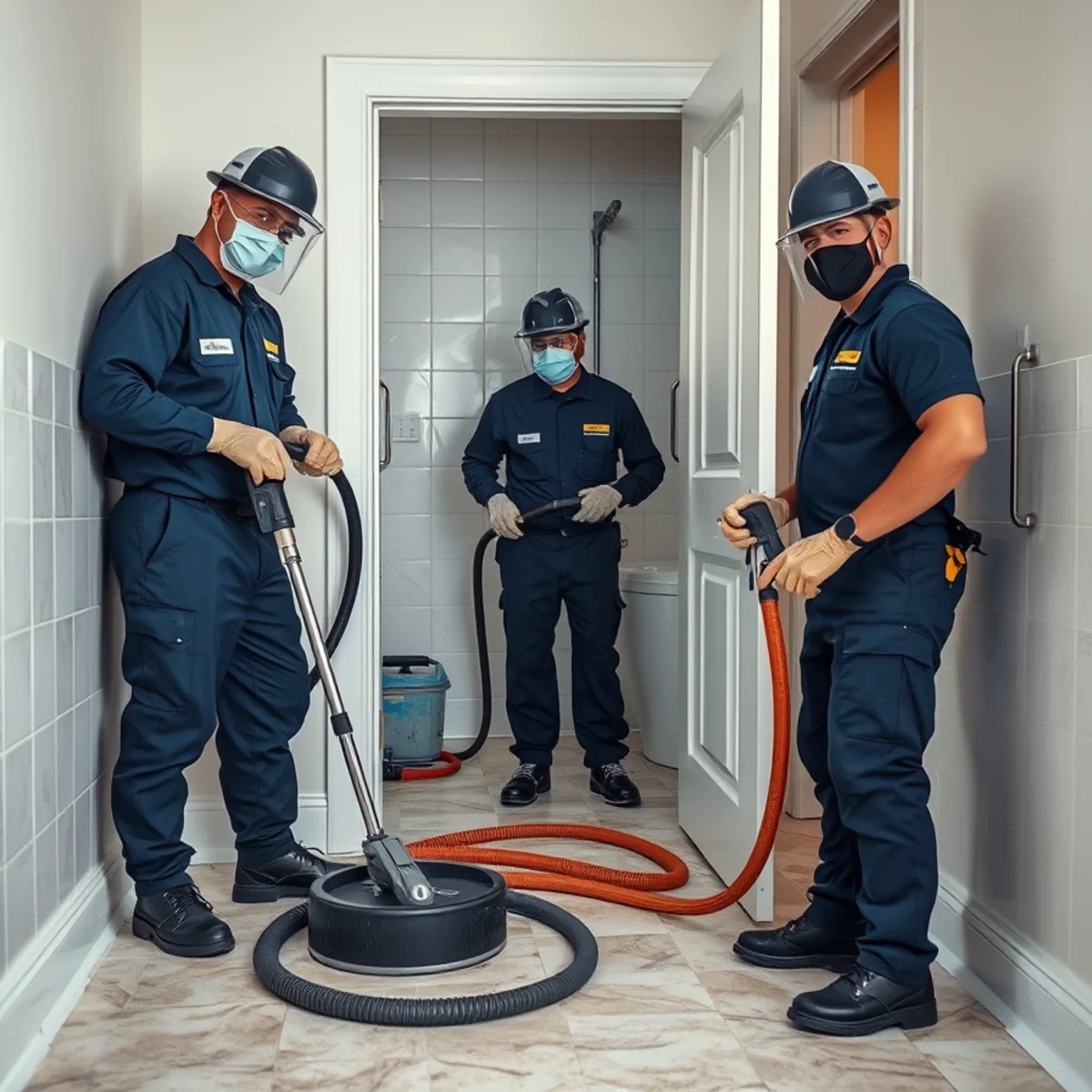
Protected restoration crew performing sewage backup cleanup in Miami
Category 3 water response

Sewage Backup Cleanup in Miami, FL

Containment, extraction, disposal, disinfection, odor control, drying, and repairs for Category 3 water.

IICRC CertifiedLicensed & Insured30+ years staff experience
sewage cleanup miami

What a complete sewage cleanup response includes.

Answer first

Sewage backup cleanup in Miami requires immediate access control, protective equipment, contained wastewater removal, disposal of unsalvageable porous materials, physical cleaning, compatible disinfection, odor-source removal, and measured drying. Restoration247 treats the event as Category 3 contamination and keeps occupants away while the source and affected footprint are documented for cleanup and repair.

Sewage water can contain pathogens and contaminants that are not made safe by drying alone. A backup from a toilet, drain, sewer line, or exterior flood requires isolation, controlled removal, cleaning, disinfection, and conservative decisions about porous materials. Children, pets, older adults, and anyone with a compromised immune system should stay away from the affected area.

Our team approaches the loss as a contamination event. We establish clean and dirty zones, use protective equipment, remove bulk water, document and discard materials that cannot be reliably cleaned, wash remaining surfaces, apply appropriate disinfectants, and dry the structure only after the soil load has been removed.

What is included in sewage cleanup service

  • Live safety triage, occupant restrictions, and clean/dirty work zones that limit tracking into unaffected rooms
  • Contained removal of standing wastewater and debris, with the source condition recorded for the plumber, building, or municipality
  • Documentation, controlled bagging, and disposal of porous materials that cannot be reliably cleaned after Category 3 exposure
  • Physical soil removal followed by compatible disinfection at the required use conditions and odor control at its source
  • Moisture mapping, monitored drying of retained assemblies, final condition records, and a separate reconstruction handoff
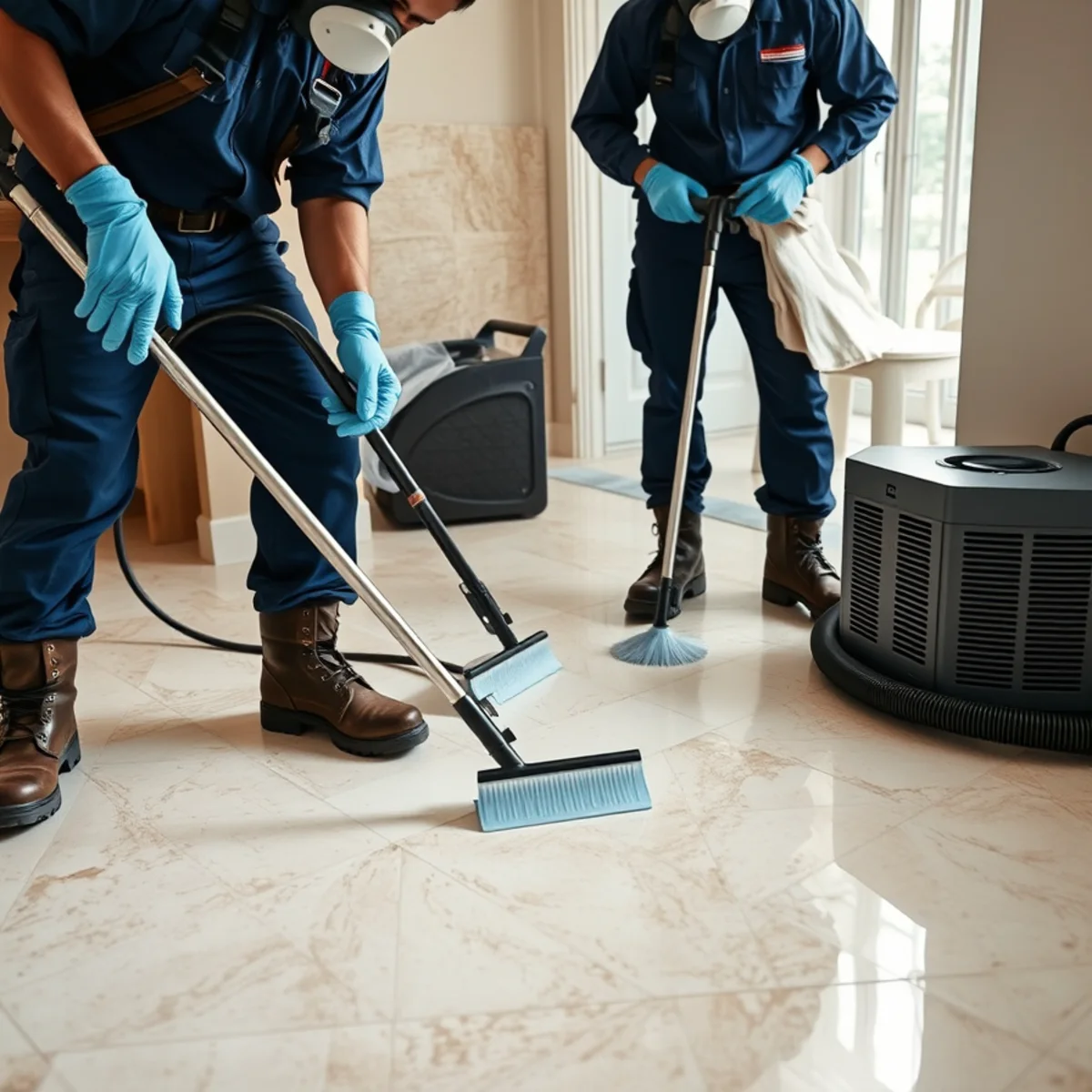
Protected Miami sewage cleanup technicians establishing a sanitary containment and extraction zone

Signs and problems that need professional attention

  • Wastewater backing up through toilets, showers, tubs, or floor drains
  • A toilet overflow involving fecal matter or a blockage below the trap
  • Dark water, sewage odor, tissue, soil, or debris across flooring
  • Storm flooding mixed with drain or sewer overflow
  • Contaminated water reaching carpet, drywall, cabinets, or HVAC openings

Why porous materials are handled differently

Carpet, pad, insulation, and gypsum can absorb sewage beyond the reach of surface cleaning. Even when staining disappears, contamination may remain inside the material. Removal decisions balance exposure, material type, time, and whether every surface can be accessed and cleaned reliably.

Hard, nonporous surfaces are not simply sprayed and left. Soil is removed first, because organic residue can shield microorganisms and reduce disinfectant performance. Cleaning tools, wastewater, disposable protective equipment, and the removal route are managed to avoid carrying contamination into unaffected rooms.

Documentation for the source and the claim

A recurring backup may involve a building drain, municipal line, root intrusion, pump failure, or shared condo system. Restoration addresses the contaminated area, while a qualified plumber or building engineer may be needed to correct the cause. Both scopes should be documented separately.

Coverage for sewer backup is often policy-specific. Photographs of the source, affected footprint, removed materials, cleaning work, and final moisture conditions help explain what was necessary. Keep plumbing invoices and any building incident reports with the restoration file.

Free inspection

Tell us what happened.

We’ll prepare your request for the 24/7 response line. For active flooding, call first.

IICRC Certified · Licensed & Insured · 30+ years staff experience
The restoration sequence

From the first call to a verified dry structure.

Restrict access

The affected area is isolated and occupants are directed away from contaminated water and tracking paths.

Extract and remove

Wastewater is removed; unsalvageable porous material is documented, bagged, and taken out through a controlled route.

Clean before disinfecting

Visible soil and residue are physically removed so disinfectants can contact the intended surfaces effectively.

Disinfect and deodorize

Compatible products and dwell times are used, followed by odor-source removal rather than fragrance masking.

Dry and verify

Retained materials are dried and documented before containment is released and reconstruction begins.

Honest estimate factors

What changes the restoration scope and price.

We do not publish fake flat prices. The free inspection identifies the variables that belong in an itemized estimate.

  • Extent and depth of contaminated water
  • Porous materials and contents exposed
  • Containment, protective equipment, and disposal volume
  • Cleaning complexity, surface type, and odor penetration
  • Plumbing access, drying time, and reconstruction scope
Why choose Restoration247

Measured work, visible records, and honest limits.

A sanitary-looking surface is not the endpoint. We separate plumbing source correction from restoration, clean before disinfecting, control the removal route, and document both material disposal and final moisture conditions so contaminated residue is not simply dried into the building.

60-minute response target

The 24/7 line collects the source, hazards, affected rooms, ZIP code, and access details before the crew is dispatched.

IICRC Certified · Licensed & Insured

Published qualifications come from the supplied business record; project-specific credentials can be requested before authorization.

30+ years of staff experience

Experience is stated at the staff level without converting it into an invented founding year, project count, or claim about every technician.

Insurance-ready physical-loss documentation

Photos, readings, removal notes, equipment records, and an itemized scope support the conversation, while coverage remains the carrier’s decision.

Miami-Dade service area

Sewage Backup Cleanup across the county.

Brickell-based dispatch serves homes, condos, commercial properties, and managed buildings throughout Miami-Dade County. Local response pages explain access, building materials, flood patterns, and ZIP-code coverage for each community.

Visible answers · matching schema

Sewage Backup Cleanup FAQs

Can I clean a small sewage overflow myself?

Sewage exposure carries health risks and spreads easily by shoes, towels, and household equipment. If contaminated water reaches porous materials or more than a very limited hard-surface area, professional containment and cleanup are the safer choice.

Will bleach remove sewage contamination?

Disinfection only works after visible soil is removed and when the product is compatible, mixed correctly, and left for its required dwell time. Bleach can damage materials and create hazardous fumes when mixed with other cleaners.

Does carpet have to be removed after sewage?

Carpet and pad exposed to Category 3 water are generally evaluated conservatively because contamination can penetrate the backing and underlying layers. The exact decision depends on exposure and applicable restoration standards.

Who fixes the sewer line?

Restoration crews clean and dry the affected property. A licensed plumber or the appropriate building or municipal party addresses the blocked or damaged line that caused the backup.

What should I do while waiting for sewage cleanup?

Keep everyone out, stop using plumbing that drains toward the backup, and avoid fans or household cleaning equipment that could spread contamination. Do not enter standing water near electrical devices. From a safe location, note the time, source, affected rooms, and building contact, and photograph conditions only if doing so requires no exposure.

24/7 Miami-Dade response

Need sewage cleanup now?

Start with the free inspection and moisture assessment. Emergency dispatch is available 24/7/365.

Call (201) 277-9344Request Free InspectionIICRC Certified · Licensed & Insured · 30+ years staff experience
24/7 EmergencyCall (201) 277-9344Free inspectionRequest Help