
What a complete flood cleanup response includes.
Flood cleanup in Miami treats rising exterior water, storm surge, canal overflow, and street flooding as contamination events—not ordinary clean-water leaks. The safe sequence is hazard control, containment, water and debris removal, cleaning, disinfection, measured structural drying, specialist evaluation of exposed systems, and reconstruction only after the retained structure is ready.
Floodwater is not just a large amount of water. It can carry sewage, fuel, soil, bacteria, pesticides, and sharp debris through a building. Saltwater adds a corrosion risk for wiring, fasteners, appliances, elevators, and mechanical components. The cleanup must protect people before it protects finishes.
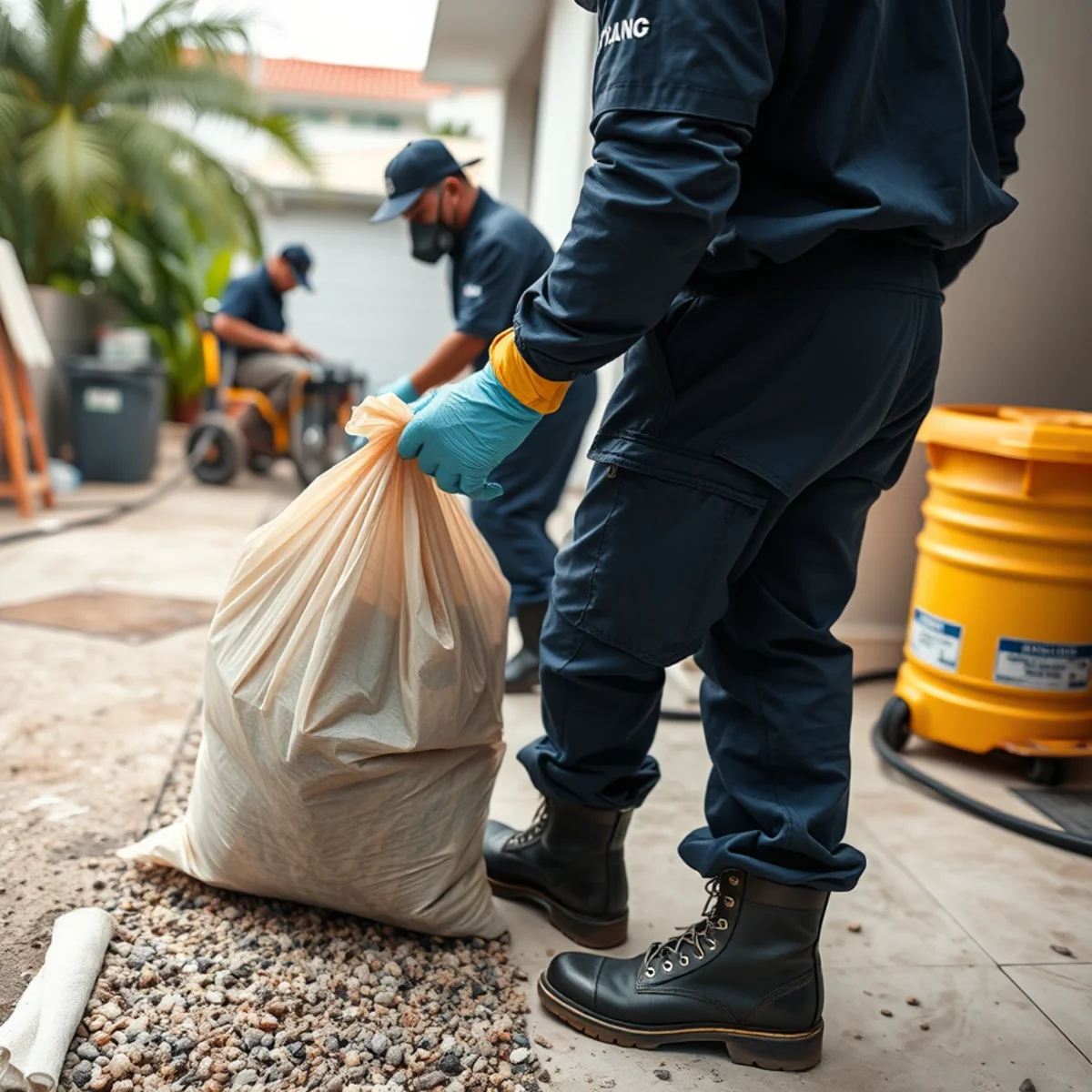
Our flood response separates the property into safe and affected zones, removes water and debris, documents damaged materials, and establishes a drying and sanitation plan. Work is prioritized around access, utilities, occupancy, and the water line. When finishes must come out, demolition is controlled so contaminated dust and debris do not spread into clean rooms.
What is included in flood cleanup service
- A hazard and occupancy assessment covering electricity, structural movement, contaminated water, debris, utilities, access, and vulnerable occupants
- Clean/affected-zone separation followed by pumping or extraction appropriate to water depth, mud, debris, and the property layout
- A documented water line and material inventory, with controlled removal of unsafe porous finishes and contents that cannot be reliably cleaned
- Physical soil removal, detail cleaning, disinfection, odor-source control, and then structural drying with recorded material and humidity readings
- Saltwater/corrosion flags and referrals for electrical, HVAC, elevator, appliance, or other specialized system evaluation before re-energizing or reuse
Signs and problems that need professional attention
- Rising water entering through doors, garages, drains, or foundation openings
- Storm surge or king-tide water reaching occupied areas
- Street flooding, canal overflow, or drainage failure affecting a property
- Mud, debris, salt residue, or sewage odor after water recedes
- Multiple rooms or floors affected by a storm or building-system failure
South Florida floodwater requires conservative decisions
Water from the ground is generally treated as contaminated because there is no reliable way to know what it contacted before entering. Drywall, insulation, carpet, pad, and other porous materials below the water line are assessed with that in mind. Items are not saved simply because they still look intact.
Saltwater intrusion calls for additional attention. Salt remains after evaporation and continues attracting moisture, accelerating corrosion. Electrical components, metal framing, hardware, appliances, and HVAC equipment may need specialist evaluation even when they operated immediately after the event.
Flood cleanup and flood insurance are different conversations
Homeowner insurance often distinguishes rising exterior water from sudden interior water. A separate flood policy may apply, while wind-driven rain can involve different coverage questions. Before discarding material, record wide views, close-ups, water lines, serial numbers, and the apparent entry path.
We support the physical documentation: affected areas, moisture conditions, removal decisions, drying records, and repair scope. We cannot interpret policy language as legal advice or guarantee coverage, but organized evidence gives the owner and adjuster a clearer starting point.