What a complete structural drying response includes.
Structural drying in Miami is a measured system for removing moisture from walls, floors, framing, concrete, cabinets, and interior air after liquid water is extracted. Restoration247 maps affected materials, establishes a dry comparison, controls the drying chamber, balances air movement and dehumidification, and records progress until each retained assembly reaches its documented goal.
Drying a building is a controlled exchange of moisture. Wet materials release water vapor; air movers support evaporation; dehumidifiers remove that vapor from the chamber. If any part of that system is undersized or poorly placed, humidity stays high and damp assemblies can stall.
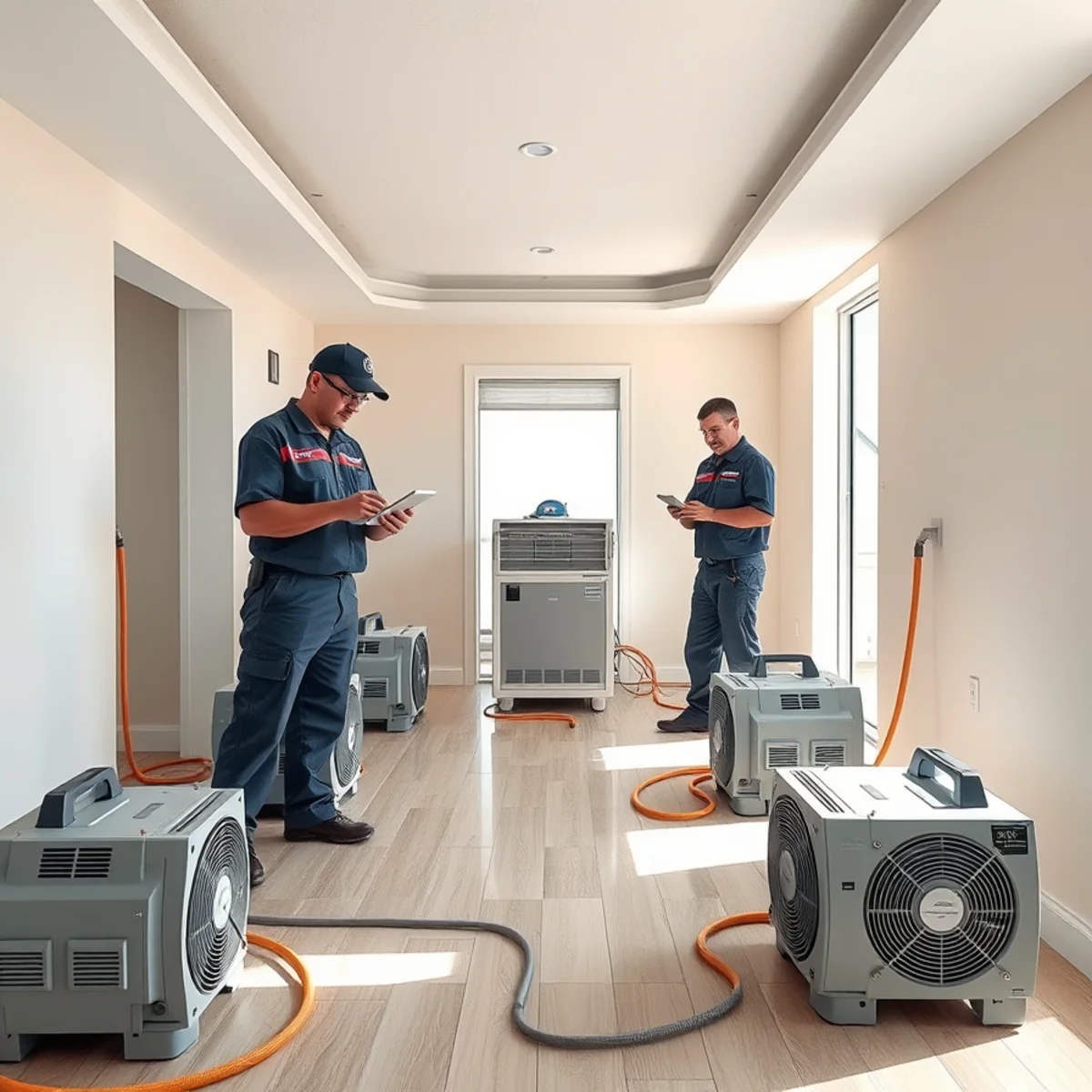
We begin with a moisture map and a dry standard for comparison. Equipment is positioned around the actual affected volume, then temperature, relative humidity, and material readings are recorded over time. That record reveals whether conditions are improving, which areas need access, and when the structure is ready for the next phase.
What is included in structural drying service
- Baseline readings in affected and unaffected materials, a moisture map, and an assembly-specific dry standard
- A managed drying chamber with openings, containment, HVAC use, and occupant access evaluated for Miami conditions
- Air movers and dehumidifiers positioned around the actual evaporation and vapor load instead of a fixed equipment package
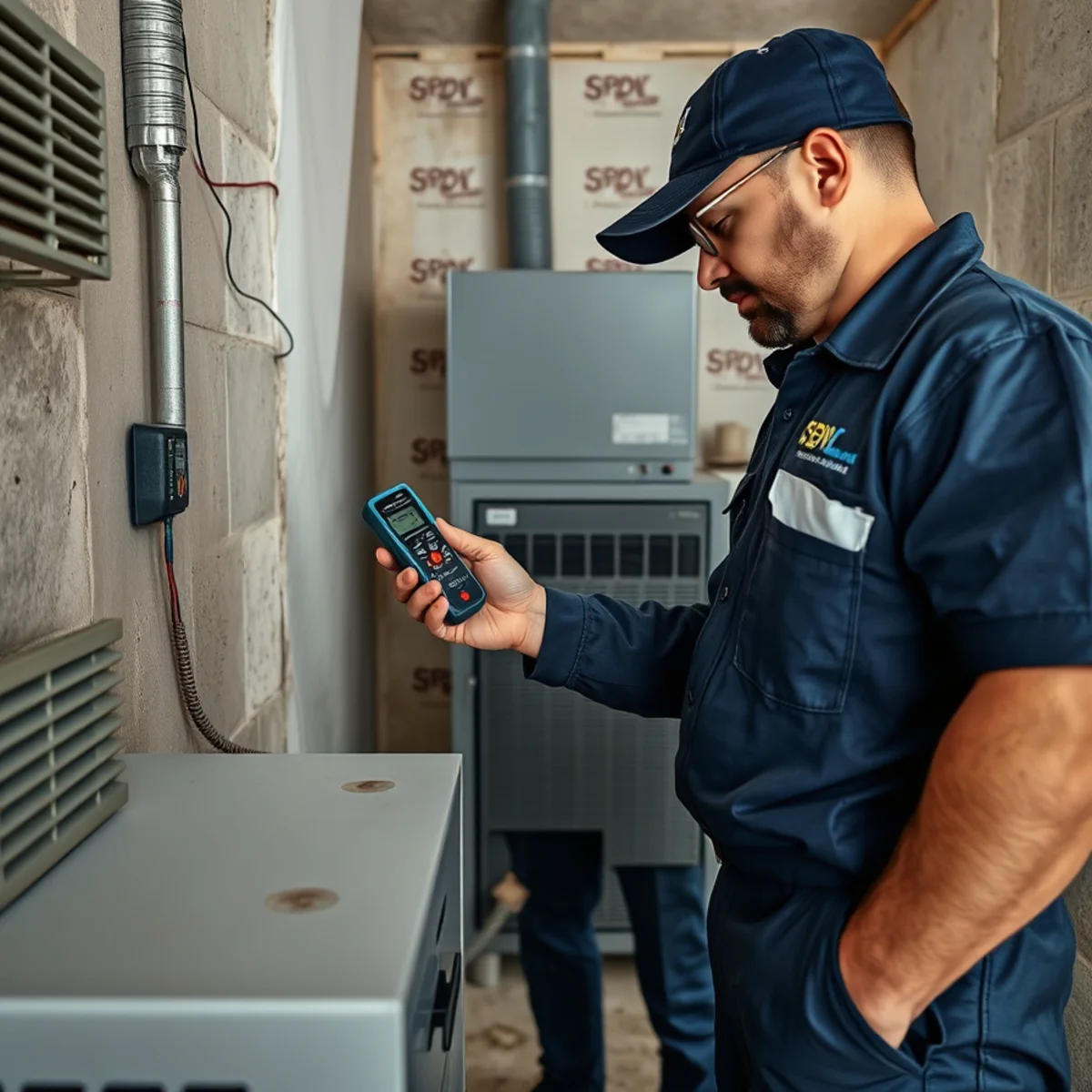
- Daily material, temperature, and relative-humidity readings with equipment adjustments when an area stops responding
- Final verification identifying dried materials, any assembly that requires access or removal, and the record needed before reconstruction
Signs and problems that need professional attention
- Materials remain cool, damp, swollen, or musty after surface water is gone
- Relative humidity stays high or windows and vents continue to condense
- Moisture is suspected behind cabinets, tile, baseboards, or wall finishes
- Hardwood is cupping or seams are lifting after a leak
- Drying equipment is running without documented moisture progress
Miami humidity changes the drying calculation
During much of the year, outside air contains more moisture than the controlled drying zone. Ventilating with that air can slow the project. A closed or managed chamber lets dehumidifiers reduce humidity while air movers sweep wet surfaces. HVAC use is evaluated case by case rather than assumed to help.
Daily monitoring matters because conditions evolve. Carpet may release moisture quickly while concrete, dense wood, plaster, or wall cavities lag behind. Moving equipment toward the remaining load keeps the system efficient and identifies materials that need selective removal rather than endless drying time.
Documentation protects the repair
A finished wall can hide a damp sill plate or cabinet base. Rebuilding before materials are ready can trap moisture, distort new finishes, and create odor or microbial growth. Final readings establish a defensible point for reconstruction to begin.
Drying logs also explain equipment use to owners, property managers, and insurance adjusters. They show that the number of machines and monitoring visits were tied to measurable conditions rather than a fixed package applied to every loss.