What a complete burst pipe cleanup response includes.
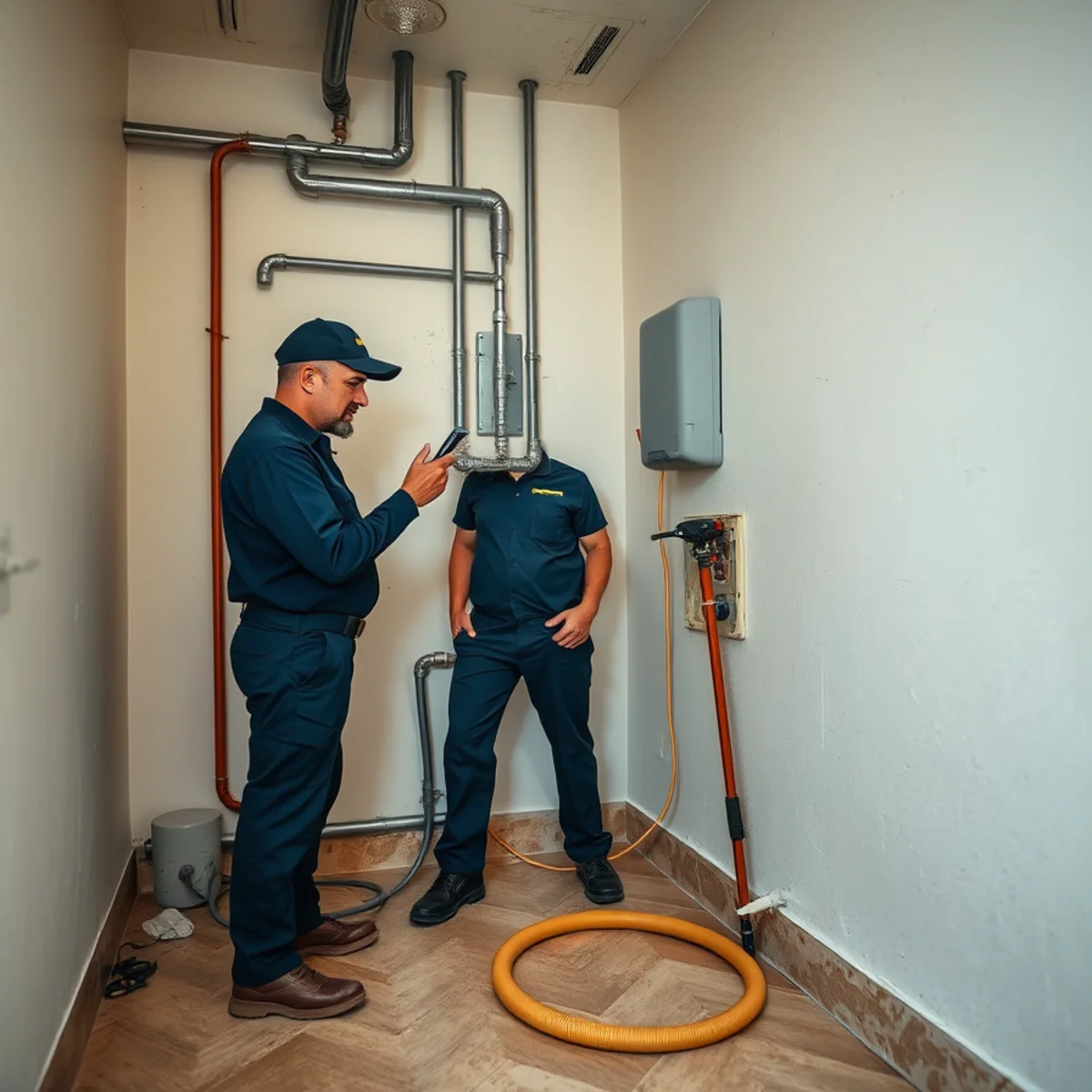
Burst pipe water damage cleanup in Miami starts with safe line isolation by the plumber or building team, followed by extraction, migration checks across rooms or condo units, material-specific drying, and finish repair after final readings. Restoration247 documents the failure point and water path before plumbing access and replacement finishes conceal the physical evidence.
Miami may not face frequent frozen pipes, but supply lines still fail from corrosion, age, pressure, installation defects, impact, and appliance connections. In condos, a small line above can affect several units before the riser is isolated. The restoration scope begins after the flow is stopped, but documentation should start before finishes hide the path.
We coordinate source control with the appropriate plumbing or building team, remove standing water, trace migration, and create a drying plan for walls, flooring, cabinets, and ceilings. Clean supply water can become progressively less sanitary as it sits and contacts building materials, so delay changes what may be salvageable.
What is included in burst pipe cleanup service
- Emergency triage for the water source, shutoff status, electricity, affected levels, condo management, and safe access
- Photographs of the apparent failure point and coordination with the qualified plumber or building engineer who isolates and repairs the line
- Extraction from floors, carpet and pad, cabinet bases, ceilings, and lower spaces, followed by direct moisture mapping beyond the visible puddle
- Assembly-specific drying for drywall, insulation, concrete, wood or resilient flooring, cabinets, and shared-wall or riser penetrations
- Progress and final moisture records plus a distinct repair scope for plumbing access, removed finishes, paint, flooring, and cabinetry
Signs and problems that need professional attention
- Sudden loss of pressure, rushing sound, or visible spray from a line
- Water appearing through a ceiling or wall below plumbing
- A washing machine, refrigerator, toilet, or sink supply line has separated
- Baseboards or flooring swelling in a room without an obvious puddle
- Multiple condo units reporting water along the same vertical line
The dry route is rarely the visible route
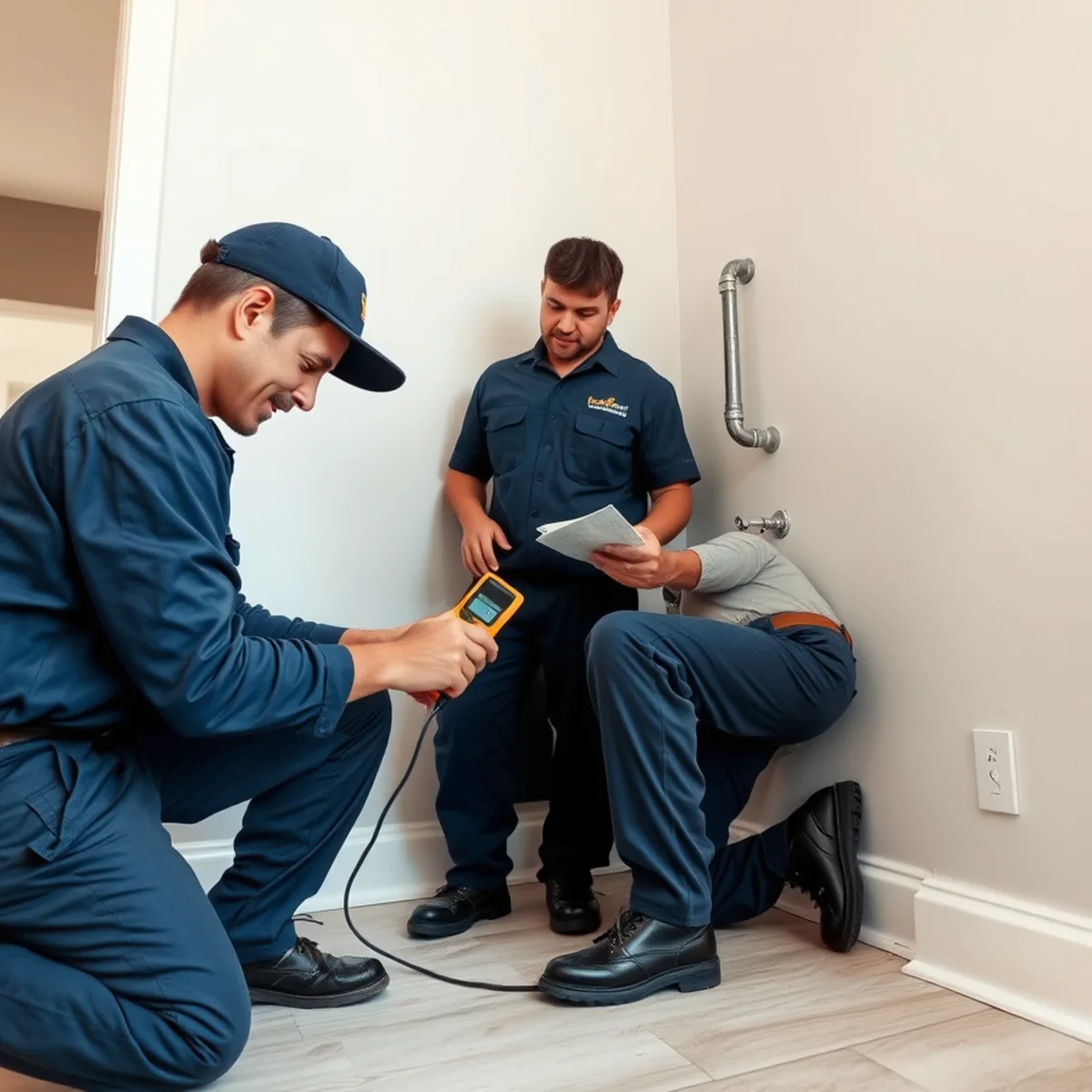
Water follows gravity, framing, wiring penetrations, and the lowest edge of a floor. It may bypass the room directly below and appear around a distant light or wall joint. Thermal imaging helps locate temperature patterns, while direct moisture readings confirm whether the pattern is truly wet.
Cabinet bases and floating floors can trap water behind finished surfaces. Drying them in place is possible only when the water is clean, materials remain stable, air can reach the wet area, and readings improve. Otherwise, selective removal prevents a concealed pocket from lingering.
Protect the plumbing and restoration evidence
Keep the failed connector or pipe section when practical, especially if a manufacturer, installer, association, or other party may need to inspect it. Record the shutoff time, plumber, source location, and affected rooms. In a condo, notify management promptly and ask for the incident report.
The plumbing invoice proves the source was repaired; the restoration record shows where water moved and what was required to dry the property. Keeping those records separate but connected gives the owner a more complete claim file.