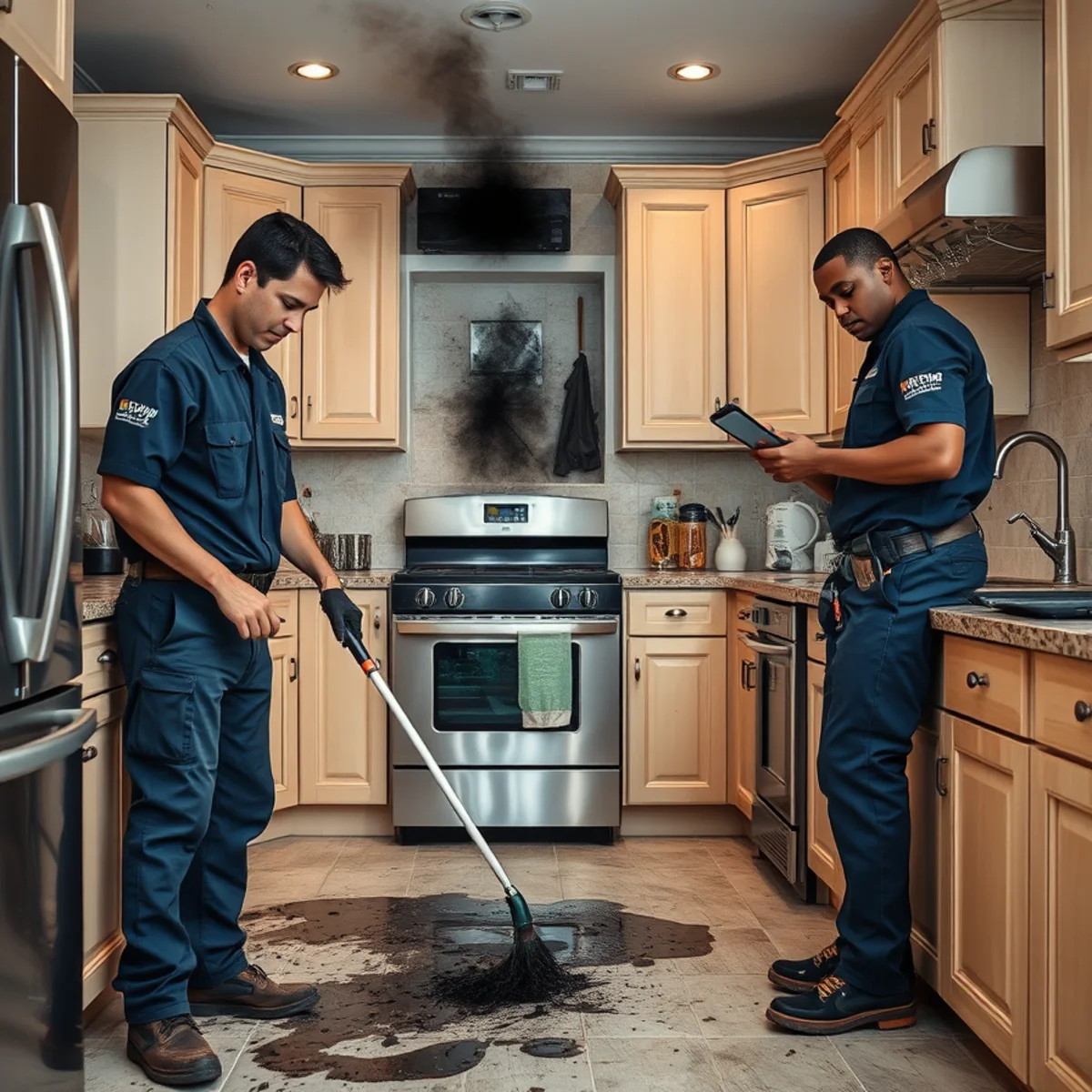
What a complete fire & smoke response includes.
Fire damage restoration in Miami begins after the fire authority releases the property: stabilize openings and hazards, document rooms and contents, remove suppression water, identify soot by residue and surface, clean or remove odor sources, and rebuild only after retained assemblies are clean and dry. Restoration247 coordinates those fire, smoke, water, contents, and repair phases in one record.
After the fire department leaves, the property may still contain unstable materials, wet ceilings, contaminated water, corrosive soot, and smoke residue in rooms the flames never reached. Improper wiping can drive soot deeper into paint, stone, fabric, metal, and electronics, making later cleaning more difficult.
We secure accessible openings, document the loss, separate items by material and exposure, address firefighting water, and establish a cleaning sequence. Odor work follows source removal and surface cleaning. Reconstruction begins only after the damaged structure is safe, clean, and dry enough to receive new finishes.
What is included in fire & smoke service
- Released-site safety review, accessible board-up needs, utility and structural specialist referrals, and room-by-room condition photographs
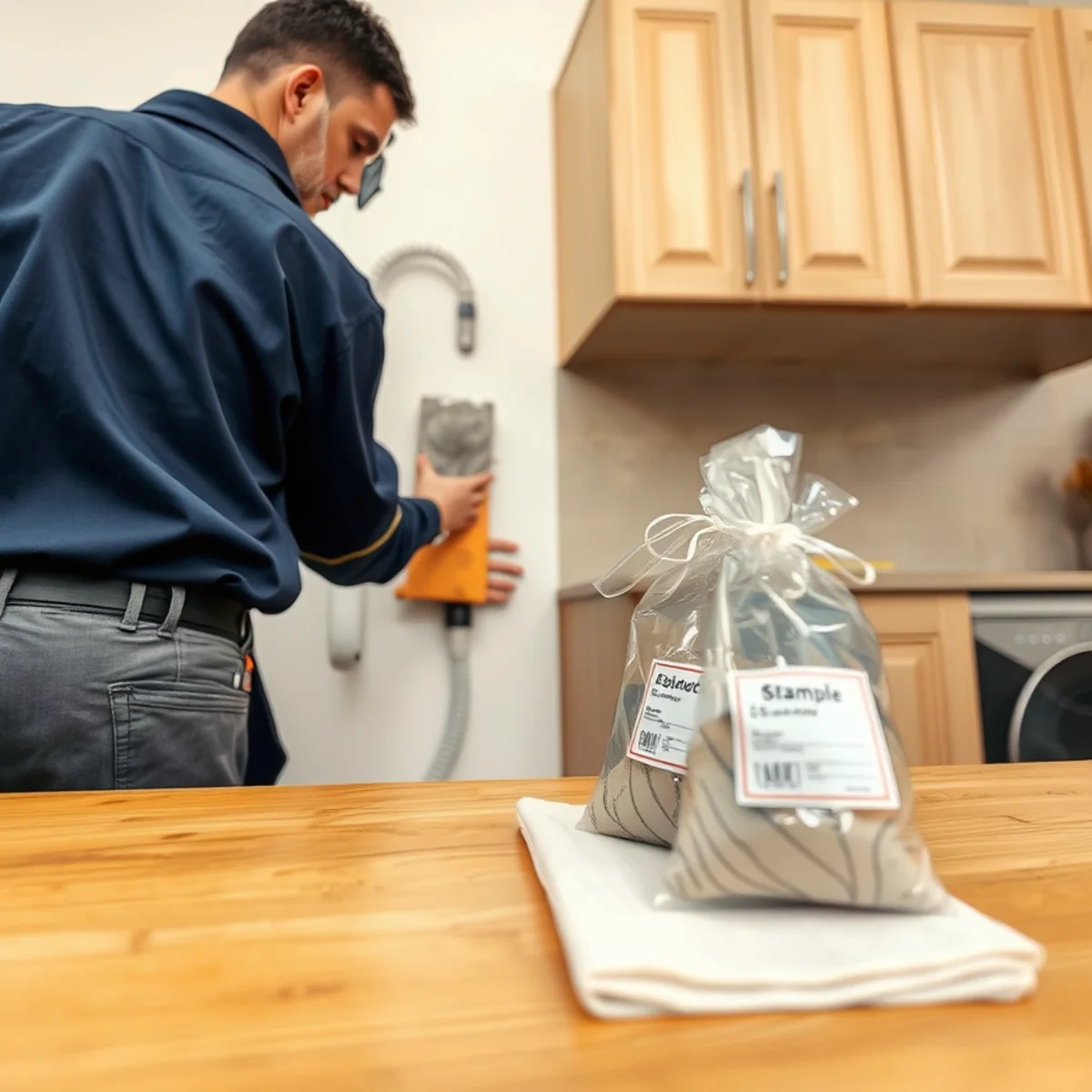
- Soot and smoke-residue testing by fire type and surface before dry, wet, abrasive, or specialty cleaning methods are selected
- Extraction and monitored structural drying for hose, sprinkler, and weather water without spreading fire residue into clean zones
- Contents inventory and triage for on-site cleaning, controlled pack-out, specialist treatment, storage, or documented non-salvageability
- Source removal, detailed structural cleaning, targeted odor work, and a clean-and-dry handoff for permitted or specialty reconstruction
Signs and problems that need professional attention
- Soot film, smoke webs, or oily residue on walls, ceilings, and contents
- Persistent smoke odor in adjoining rooms, closets, or HVAC pathways
- Water damage from sprinklers, hoses, or opened roof sections
- Broken doors, windows, roof areas, or other security openings
- Corrosion or discoloration developing on metals, fixtures, and electronics
Different fires leave different residues
A slow, oxygen-starved fire can leave greasy residue that smears under the wrong sponge. A hot, dry fire may create fine particles that move through pressure differences. Protein fires in kitchens can leave a nearly invisible film with a powerful odor. Cleaning products and agitation must be selected for the residue and surface together.
Time matters because acidic soot can etch glass, tarnish metal, and discolor finishes. Quick pre-cleaning of sensitive items may limit permanent damage, but occupants should not handle heavily soiled contents without guidance because particles can transfer to clean areas.
Odor removal starts with source removal
Fragrance does not neutralize smoke embedded in insulation, charred wood, textiles, or HVAC dust. Materials that cannot be cleaned must be removed; remaining surfaces are detail-cleaned before targeted deodorization is considered. Sealing is a final step for appropriate clean, dry surfaces, not a shortcut over residue.
The insurance record should include the fire report when available, room-by-room photographs, affected contents, emergency security work, cleaning tests, and water damage from suppression. That organized sequence helps explain why the scope includes both fire cleaning and water restoration.