A Miami commercial water-damage plan should name who leads, who can isolate each system, who authorizes vendors and spending, how crews enter after hours, how occupants receive updates, which operations must continue, and what evidence supports reopening. Keep the first-hour sheet brief, back it with building maps and vendor records, and test it before an emergency.
A commercial water emergency is an operations problem before it becomes a construction project. The first hour depends on who can shut down a riser, open a loading dock, authorize unit entry, isolate electricity, contact tenants, and release an emergency vendor. If those names live only in one manager's phone, the plan is fragile.
A useful response plan is short enough to use at 2 a.m. and detailed enough to control access, safety, documentation, and business continuity. It should cover ordinary pipe and sprinkler losses as well as Miami-specific storm, roof, garage, and power conditions.
Map critical systems and shutoffs
Create a current map for domestic water, fire protection, roof and balcony drains, sewer cleanouts, sump and lift pumps, electrical disconnects, generators, elevators, gas, and major HVAC equipment. Label valves physically and identify which systems only authorized professionals may operate.
Test access, not just the device. A perfectly labeled valve behind a locked tenant door is not an emergency plan. Record keys, codes, after-hours contacts, and backup authority. Review changes after renovations and tenant turnover.
Prequalify restoration and source-repair vendors
Maintain contacts for restoration, plumbing, roofing, electrical, elevator, HVAC, fire protection, security, and environmental testing. Confirm licenses appropriate to the trade, insurance, coverage area, after-hours dispatch, and building registration requirements before an incident.
A preferred response agreement should define dispatch priority, rates or pricing method, authorization limits, communication, file uploads, and who can expand the scope. It should not transfer broad rights without informed legal and insurance review.
- Primary and backup contacts with 24/7 numbers
- Certificates and vendor registration requirements
- Emergency spending authority and approval chain
- Loading, parking, elevator, and security instructions
- Photo, report, and daily-status expectations
Create a first-hour incident command
Assign one incident lead and backups. That person gathers source status, hazards, affected floors or tenants, water category, access, and business priorities. Separate life safety and utility decisions from property protection; restoration crews should not operate unfamiliar critical systems without authority.
Use a simple zone status: red for closed or contaminated, amber for controlled work, green for unaffected access, and blue for staging. The labels support communication but do not replace professional safety evaluation.
Protect evidence and business records
Photograph the original condition, source component, water line, affected inventory, and each tenant area. Preserve failed parts and system logs. Record discovery, alarms, shutoff, vendor arrival, extraction, and reopening decisions in one incident timeline.
For inventory and contents, define who can declare an item unsalvageable and who assigns value. Restoration crews can photograph, label, and move items, but accounting and claim valuation belong to the owner, carrier, and relevant specialists.
Plan continuity around safe zones
Hotels may prioritize guest relocation and room stacks. Warehouses may protect dry loading and critical stock. Offices may reroute staff and IT. Retail and restaurants must consider customer access, food safety, and health requirements. The drying plan should support these priorities without allowing occupancy in unsafe areas.
Noise, heat, electrical load, hoses, containment, and demolition affect operations even in clean-water work. A daily status should identify what is closed, what work is planned, which decisions are needed, and the next verification point.
Define reopening and exercise the plan
Reopening depends on source control, electricity, structural safety, contamination, dry access, HVAC, fire systems, and the intended occupancy. “Looks dry” is not a criterion. The responsible building and regulatory professionals should approve their systems.
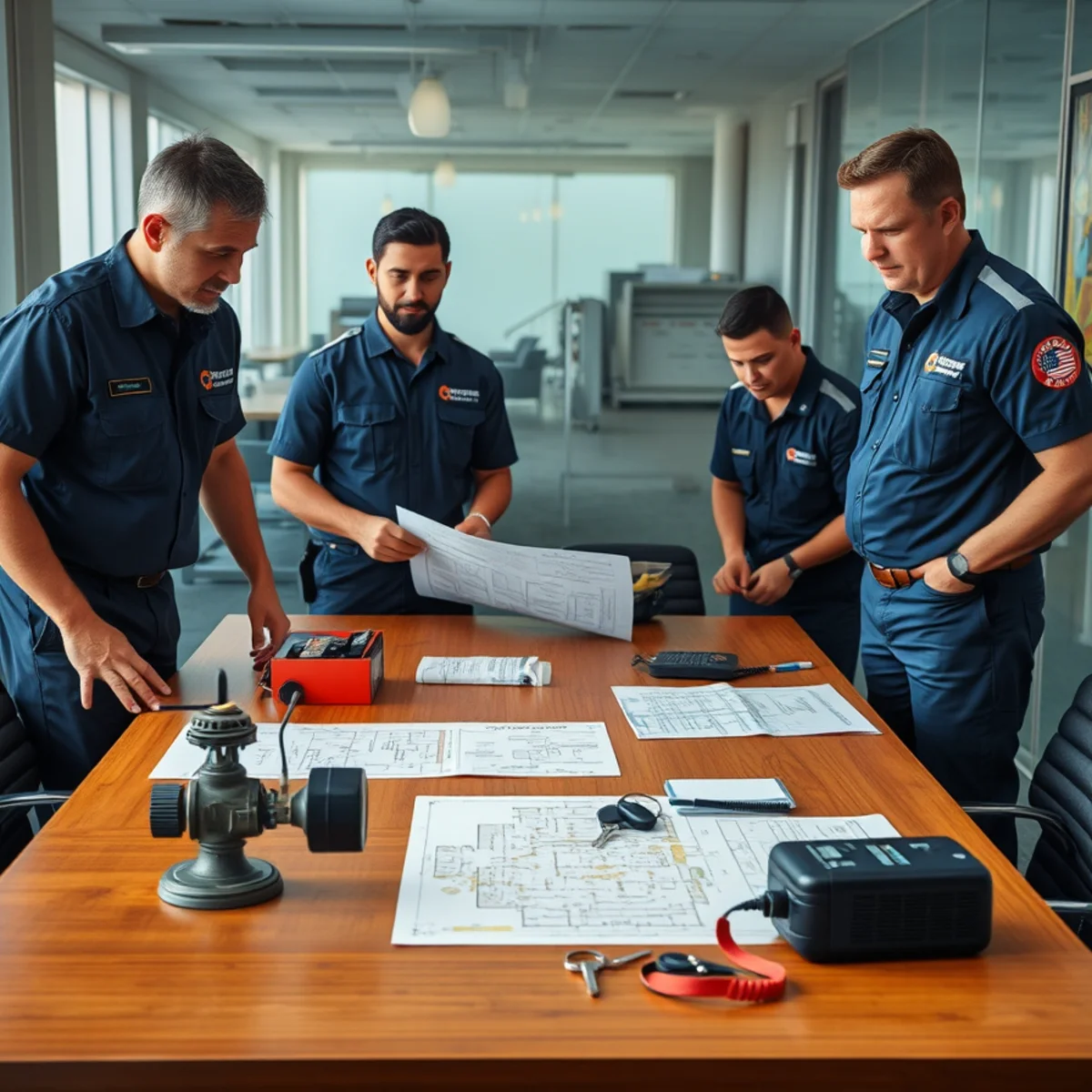
Run a tabletop exercise before hurricane season and after major staff changes. Use a broken riser or garage flood scenario, call the contacts, find the valve, test the loading route, and identify missing authority. Update the one-page emergency sheet immediately after the exercise.
The best response plan is a practiced contact-and-access system, not a binder nobody opens during an emergency.
Expert insight: what the field evidence should prove
A plan is operational only if a substitute manager can execute it without the author. Run a timed tabletop: receive the alarm, identify life-safety actions, reach the decision-maker, locate and authorize the correct shutoff, open security and loading routes, notify occupants, establish clean staging, protect records, and start a common incident log. Ready.gov and Miami-Dade business guidance emphasize communication, continuity, off-site data, inventories, alternate operations, and predefined contractor contacts. Score every delay and assign an owner and due date. After a real loss, issue an after-action record covering detection, decisions, unavailable people, access failures, vendor response, tenant effects, documentation gaps, safe reopening, and costs. Update the one-page sheet, maps, call tree, contracts, and next exercise date while the failure points remain fresh.
Frequently asked questions
What belongs on a one-page emergency sheet?
Life-safety instructions, incident lead, shutoff authority, critical contacts, restoration vendor, loading and access details, tenant communication lead, and insurance claim contact.
Can tenants remain during commercial drying?
Only if safety, contamination, utilities, noise, access, and air movement allow unaffected zones to operate. The decision should be documented by management and appropriate professionals.
How often should the plan be reviewed?
At least annually, before hurricane season, and after staff, tenant, system, access, insurer, or vendor changes.
Get a measured next step
If water is active or the structure may still be wet, call the 24/7 line. The free inspection connects the source, affected materials, and safe restoration sequence without relying on surface appearance.
Call (201) 277-9344